How to Grow Grass Bonsai | A Beginner's Guide to Enjoying Alpine Plants in Small Pots
A guide to getting started with grass bonsai. Learn how to plant alpine plants and grasses in small pots to enjoy the changing seasons, select suitable plants, and master key management techniques for soil, watering, and repotting.
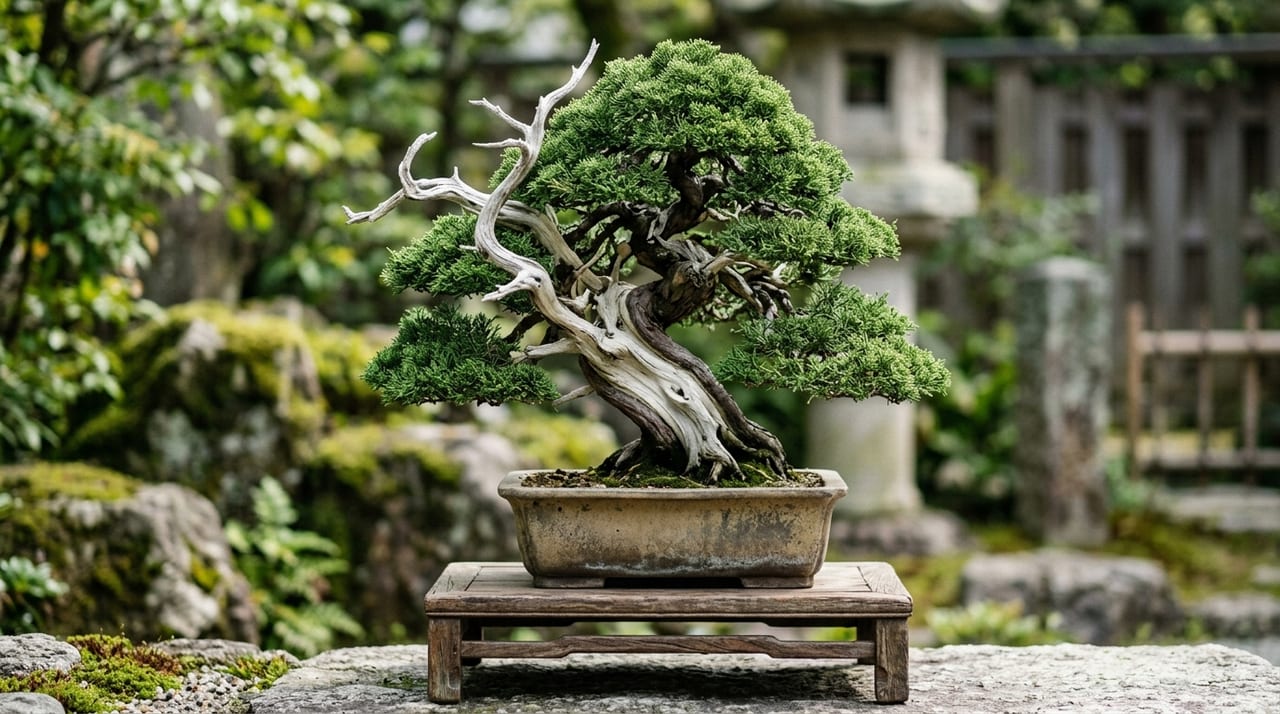
Key Takeaways
A guide to getting started with grass bonsai. Learn how to plant alpine plants and grasses in small pots to enjoy the changing seasons, select suitable plants, and master key management techniques for soil, watering, and repotting.
Related Species
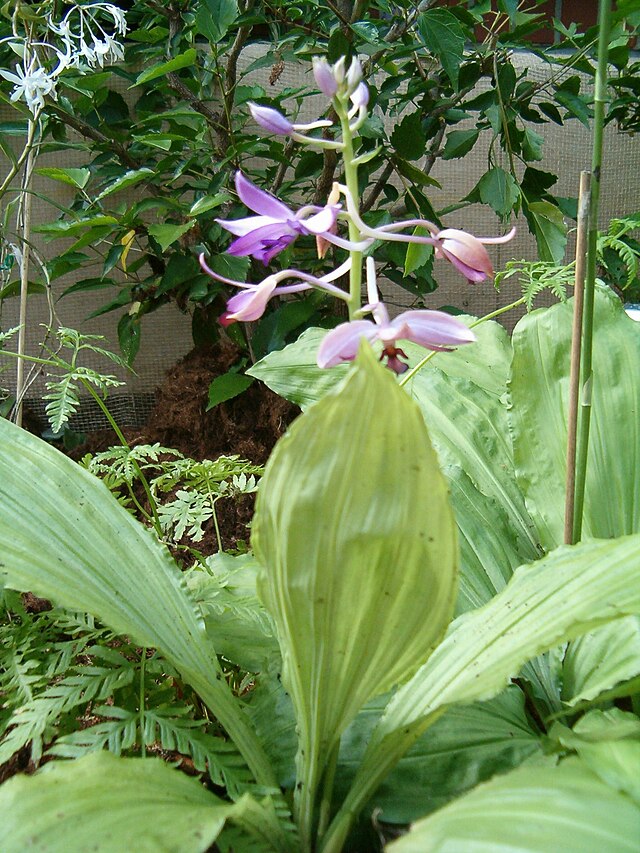
Grass bonsai is a uniquely Japanese horticultural tradition where herbaceous plants that grow wild in mountains and grasslands are planted in small pots to enjoy the natural beauty of the four seasons in a palm-sized space. Unlike tree bonsai, which conveys a sense of gravitas, grass bonsai possesses a delicate, breezy quality—as if swaying in the wind. Spring's tender shoots, summer's verdant foliage, autumn's fruits and changing leaves, and winter's withered beauty—the charm of grass bonsai lies in experiencing nature's ever-changing face throughout the year, all within a single small pot.
What Is Grass Bonsai?
Grass bonsai is a horticultural style where herbaceous plants such as alpine plants, ferns, and ornamental grasses are potted and displayed as if capturing a small scene from nature. Within Japan's bonsai culture, grass bonsai has traditionally served as an accent display, placed beside a main specimen like a pine or plum tree to add seasonal character. In recent years, however, grass bonsai has grown in popularity as an independent appreciation category, with dedicated exhibitions held across the country.
One reason grass bonsai suits beginners is that these plants grow faster than tree bonsai. Within one to two years of planting, you can achieve an attractive form, making it easy to feel a sense of accomplishment early on—and that satisfaction becomes a motivating force for further cultivation. Because the pots are small, they fit perfectly on a balcony or windowsill with limited space, and you naturally learn the fundamentals of plant care—watering, fertilizing, and repotting—making it ideal for beginners.
- An essential accent element in bonsai exhibitions to enhance the main specimen
- Grass bonsai exhibitions are now held throughout the country as an independent appreciation category
- Within one to two years, plants can be shaped into attractive forms, making growth easy to appreciate
- Small pots mean they thrive even on apartment balconies or window ledges
- By rotating plants seasonally, you can enjoy a different appearance year-round
How to Choose Plants for Grass Bonsai
The charm of grass bonsai lies in the completely different faces plants present across the seasons. Spring brings the freshness of new growth, summer offers cool foliage, autumn provides the refined beauty of fruits and autumn color, and winter displays the austere appeal of withered forms—the world of expression expands greatly depending on which plants you choose.
Recommended Plants by Season
- Spring: Epimedium, violet, Japanese chionographis, great burnet (new shoots), Ebine orchid
- Summer: Japanese muhly, hosta, toad lily (foliage), loosestrife, lilyturf
- Autumn: Gentian, great burnet (flowers and fruits), silver grass, wild chrysanthemums, autumn-coloring spike moss
- Winter: Winter anemone, ardisia with red berries, loosestrife with beautiful withered stems, winter-form spike moss
- Year-round: Ferns (ribbon fern, evergreen ribbon fern), various mosses, evergreen grasses
Creating Depth with Mixed Plantings
You can plant a single species alone, but mixed plantings—combining multiple plants in one pot—are one of the great pleasures of grass bonsai. For example, by placing tall Japanese muhly toward the back and combining low-spreading ferns or moss in the foreground, you create a composition with depth, as if capturing a corner of a meadow. Varying plant height, leaf shape, and leaf color are the keys to creating a natural appearance.
Beginners should start with the single-species approach, which is easier to manage. Once you become more comfortable, you can progress to mixed plantings.
Choosing Pots and Soil
In grass bonsai, pot selection greatly influences how the plant's beauty is expressed. Only when the plant's form and the pot's material and shape harmonize does true "bonsai character" emerge.
Choosing the Pot
- Shape: Shallow oval or rectangular pots are standard. Choosing a pot slightly smaller than the plant creates a refined, compact impression
- Material: Unglazed pottery or kiln-fired earthenware pots suit the rustic aesthetic of grass bonsai. Glossy glazed pots tend to diminish the natural charm and are best avoided
- Alternatives: Pots carved from natural stone, bamboo tubes, or driftwood repurposed as vessels offer unique appeal. When you find one, use it enthusiastically
The pot size follows an ironclad rule: "slightly smaller than the plant." Oversized pots cause roots to become waterlogged and create a visually loose appearance.
Soil Composition
Most alpine plants prefer well-draining soil. A basic blend is small-grain red loam 5 : Kanuma soil 3 : Kiryu sand 2, with a small amount of leaf mold mixed in to balance water retention and aeration. For moisture-loving plants (such as loosestrife), adjust the ratio to include more sphagnum moss. At the bottom of the pot, spread 1 to 2 centimeters of pumice stone or large-grain red loam to create a drainage layer, preventing root rot.
Basic Care and Repotting Tips
Growing healthy plants in small pots requires careful attention to daily management. Grass bonsai grows quickly, but if neglected, its form becomes ragged; because the pot is small, it is also more susceptible to dryness and overwatering. Close observation is the key to maintaining beauty.
Daily Care Tips
- Watering: Water thoroughly when the soil surface dries. Small pots dry quickly in summer heat; make a habit of checking morning and evening for peace of mind
- Summer location: Direct sunlight heats the pot interior, injuring roots. Keep plants in partial shade or under shade cloth
- Winter location: Even cold-hardy plants have roots damaged if frozen in their pots. Move them to a protected location such as a cold frame or under a shelf where frost cannot reach them
- Fertilizing: A dilute liquid fertilizer (about 1000-fold dilution) given two to three times monthly is sufficient. Overfeeding causes excessive growth and damages form
- Reshaping: As plants become ragged, cut back overgrown stems at the base. Tidying the form encourages fuller growth the following spring
Timing and Method for Repotting
Repotting is best done in late winter to early spring (late February through mid-March), just before new growth emerges. If roots fill the entire pot, it's time to repot. Remove old soil, tidy any damaged roots, and replant in fresh soil. If a plant has become too large, divide it and reshape for a compact, long-lasting form. After repotting, protect plants from direct sunlight; keep them in partial shade for one to two weeks while roots establish.
Summary | Enjoying the Changing Seasons with Grass Bonsai
Grass bonsai is an endlessly fascinating hobby. While simpler to begin than tree bonsai, the depth increases as you refine plant selection, pot pairing, and seasonal management—never growing dull. A single pot placed on a balcony or window ledge brings the beauty of wild nature into daily urban life, enriching how you live.
At GrowerDirect, you can purchase alpine plants, ferns, and mosses suitable for grass bonsai directly from specialist growers. By sourcing plants from producers who know their native environments intimately, you receive not just quality specimens but also expert advice on cultivation and seasonal combinations after purchase. Start your grass bonsai journey at GrowerDirect—find the perfect plants for your first collection.