Elephant's Foot Care During Dormancy | Summer Watering, Breaking Dormancy, and Managing Non-Dormant Plants
How to manage Dioscorea elephantipes (Elephant's Foot) through summer dormancy without failure. This guide covers the signs of dormancy, when to stop watering, placement to prevent fungal issues, how to break dormancy in autumn, and how to handle non-dormant plants, complete with a month-by-month annual care checklist.
Key Takeaways
How to manage Dioscorea elephantipes (Elephant's Foot) through summer dormancy without failure. This guide covers the signs of dormancy, when to stop watering, placement to prevent fungal issues, how to break dormancy in autumn, and how to handle non-dormant plants, complete with a month-by-month annual care checklist.
Related Species
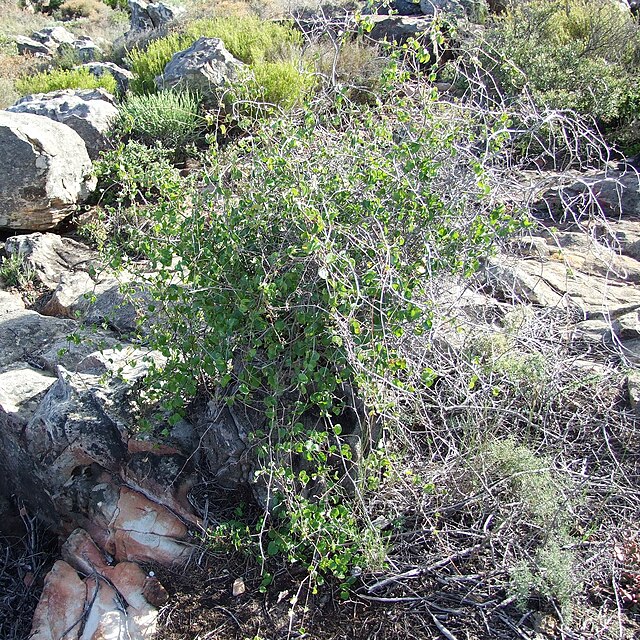
Dioscorea elephantipes (Elephant's Foot) is a popular caudiciform plant prized for its distinctive cracked caudex resembling a tortoise shell. As a winter-growing type, it has a unique cycle: growing from autumn to spring and dormant in summer. Managing this dormancy period is the key point of cultivation.
The Growth Cycle of Dioscorea
The annual cycle of Elephant's Foot is the opposite of typical plants.
- Growing Season (October–April): As temperatures drop, the vines begin to extend and heart-shaped leaves unfold. During this period, provide water and fertilizer to thicken the caudex
- Pre-Dormancy Period (April–May): As temperatures rise, leaves begin to yellow and vines start to wither
- Dormancy (June–September): Leaves and vines die back completely, leaving only the bare caudex. Withhold water almost entirely during this period
- Dormancy Break (September–October): New vines begin sprouting from the top of the caudex
Annual Care Chart for Elephant's Foot (African, Winter-Growing)
| Period | Status | Watering | Key Points |
|---|---|---|---|
| Growing Season (Oct–Apr) | Vines & leaves unfold | Water thoroughly when soil dries | Build up caudex with fertilizer |
| Pre-Dormancy (Apr–May) | Yellowing leaves, withering vines | Taper off gradually over 2–3 weeks | Cut vines only after complete drying |
| Dormancy (Jun–Sep) | Caudex only, leafless | Nearly dry (may give small amount monthly) | Keep in cool shade; avoid high heat and humidity |
| Dormancy Break (Sep–Oct) | Sprouting from caudex top | Resume watering lightly once buds appear | Gradually return to normal watering |
※ Mexican species (D. mexicana) is summer-growing with the opposite cycle. Always confirm the species name.
Recognizing the Signs of Dormancy
It is crucial not to miss the signs that dormancy is approaching.
Pre-Dormancy Signs
- Leaf tips begin to yellow
- Vine growth stops
- No new leaves appear
- Water uptake slows (soil dries more slowly)
When you see these signs, gradually reduce watering frequency. The key is to taper off gradually over 2–3 weeks, not to stop abruptly.
Important Note Do not rush to cut the vines the moment leaves yellow. The plant is still translocating nutrients from the dying leaves back into the caudex. Wait until the vines are completely dry and brittle before pruning.
Watering During Dormancy
Watering during dormancy is the most critical aspect of Elephant's Foot care.
Basic Principle: Nearly Complete Drought
- Stop watering once vines and leaves are completely dead
- Complete drought is the standard approach, though some growers give a small amount of water around the caudex once monthly
- Excess water causes caudex rot, so if you do water, keep it minimal
Guidelines for Judgment
- Gently touch the caudex; if it feels firm and hard, all is well
- If the caudex surface shrinks excessively and becomes soft, consider giving a small amount of water
- However, minor shrinkage is normal. Avoid overwatering out of excessive concern
Placement During Dormancy
Temperature Management
- Place in a cool location away from direct sunlight
- An indoor location with good air circulation is ideal
- Avoid high heat and humidity at all costs (excess heat and moisture cause caudex rot)
- Ideal temperature range: 20–30°C (68–86°F). Avoid any location exceeding 40°C (104°F)
Example Locations
- North-facing rooms or hallways indoors
- Air-conditioned interiors (avoid direct air conditioning drafts)
- Shaded outdoors with good airflow (protected from rain)
Locations to Avoid
- West-facing balconies or windowsills with afternoon sun
- Closed greenhouses or plastic tunnels (too steamy)
- Outdoors where water can reach the plant
Common Dormancy Problems and Solutions
Caudex Rot The biggest risk during dormancy. The main causes are overwatering or high humidity. If part of the caudex turns black and soft, rot has begun. Immediately remove the affected area, apply fungicide, and allow it to dry thoroughly.
Scale Insects Scale insects may colonize crevices in the dormant caudex. Inspect the caudex regularly and remove any scales you find with a brush or toothpick.
Deepening Cracks in the Caudex The cracks on the caudex surface may deepen during dormancy. This is a normal part of growth, so there is no cause for concern. In fact, you can view this as part of the plant's distinctive appeal.
Dormancy Duration and Individual Variation
Dormancy length varies among individuals, and not all Elephant's Foot plants follow textbook schedules.
- Even in identical conditions, different plants may enter dormancy more than a month apart
- Younger plants (with smaller caudexes) may have shorter dormancy or skip it entirely
- Dormancy timing shifts based on cultivation conditions, especially temperature and day length
- Newly purchased plants may enter dormancy at unusual times due to environmental change
Managing Non-Dormant Plants: Young plants or those kept in bright, warm interiors may retain their leaves and skip dormancy even in summer. There is no need to force them into dormancy by withholding water; if the leaves remain green, you can continue watering sparingly without issue. However, they are sensitive to heat and humidity stress, so maintain them in a well-ventilated, semi-shaded location.
Learn your plant's individual character, and keep yearly records to develop optimal timing for care. Make a habit of noting dates and plant status in a journal.
Differences Between African and Mexican Species
Dioscorea includes primarily African (D. elephantipes) and Mexican (D. mexicana) types.
- D. elephantipes (African): Winter-growing. Grows in autumn–spring; dormant in summer. Features deep, beautiful tortoise-shell patterning on the caudex
- D. mexicana (Mexican): Summer-growing. Grows in spring–autumn; dormant in winter. Caudex is relatively flattened in shape
Care methods are exactly opposite, so always confirm the species name when purchasing.
Care When Breaking Dormancy
Breaking dormancy marks the beginning of a new growing season. How you start this period affects growth for the entire year.
Signs of Dormancy Break
- Small buds begin to swell near the top of the caudex
- Typically visible in late September to October
Resuming Watering
- Once buds are visible, give a small amount of water (just moisten the soil around the caudex)
- As vines begin to extend, gradually increase watering frequency
- Once leaves begin to unfold, switch to normal watering (water thoroughly when soil dries)
Starting Fertilizer
- Begin light liquid fertilizer once vines have extended and 3–4 leaves have unfolded
- Apply approximately twice per month at half the recommended concentration throughout the growing season
Preparing Support Structures Elephant's Foot vines grow vigorously. Prepare stakes or a trellis to guide vine growth.
Finding Dioscorea on GrowerDirect
On GrowerDirect, you can purchase Dioscorea directly from growers who have deep expertise in dormancy care. Being able to consult directly with your grower about dormancy cycles and management methods is a significant peace of mind. Discover a beautiful Elephant's Foot with distinctive cracked caudex on GrowerDirect.