Caudex Plant Photography Techniques | How to Take Eye-Catching Photos for Social Media and Composition Tips
Explores photography techniques to bring out the appeal of caudex plants. Introduces practical lighting, composition, background selection, and tips for expressing the texture of trunks that can be practiced with a smartphone.
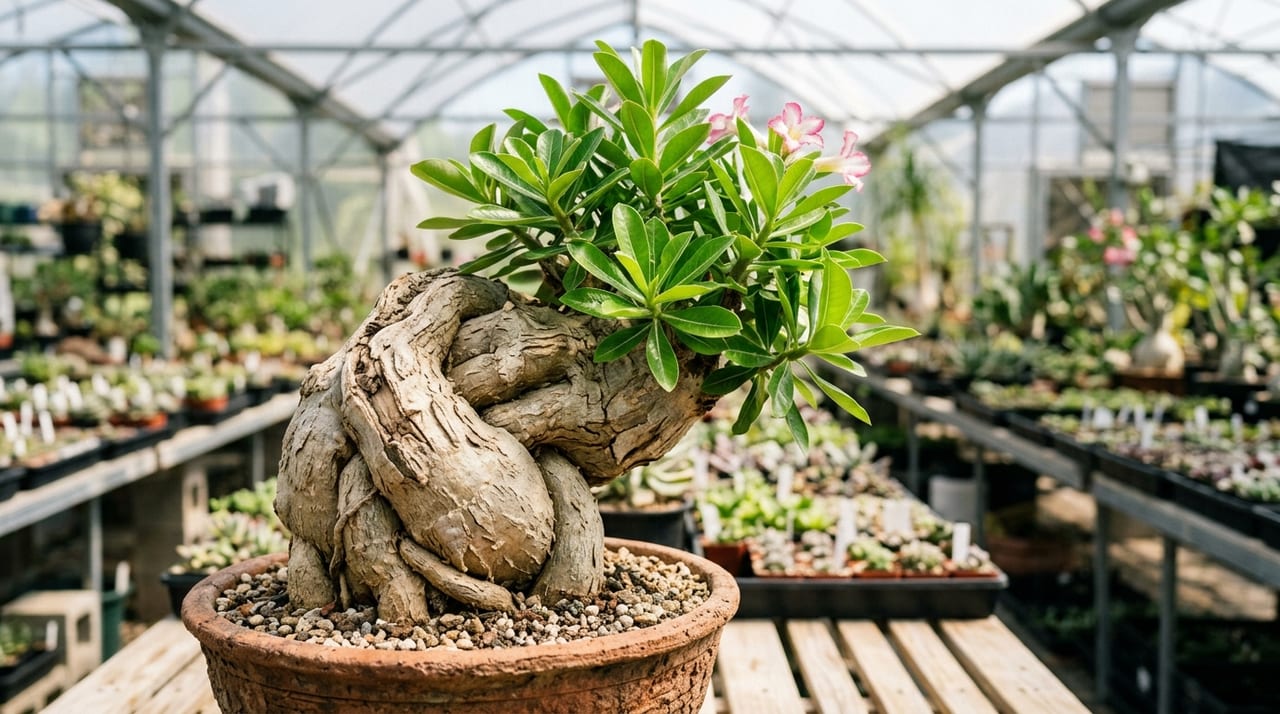
Key Takeaways
Explores photography techniques to bring out the appeal of caudex plants. Introduces practical lighting, composition, background selection, and tips for expressing the texture of trunks that can be practiced with a smartphone.
Caudex plants are plants whose unique sculptural beauty easily attracts attention on social media. Their rounded, swollen trunks, bizarre silhouettes, unique textures—their distinctive appearance changes dramatically in impression depending on how you photograph it, even for the same specimen. Master photography techniques that can be practiced even with a smartphone and capture photos that bring out the full charm of caudex plants.
Lighting with Natural Light
The most important element in photography is how you use light. It's no exaggeration to say that the quality of light affects the final result of a photo more than the equipment itself.
For indoor photography, natural light near a window produces the most beautiful results. Direct sunlight is too strong and creates excessive contrast, with highlights prone to clipping, so soft light filtered through thin curtains is ideal. The best times to shoot are morning or late afternoon when angled light streams through, and it's best to avoid strong midday light.
The impression changes significantly depending on how the light is directed.
- Front lighting (light from the front): The entire plant is evenly lit and colors are reproduced faithfully, but three-dimensionality can be difficult to achieve
- Side backlighting (light from diagonally in front): Trunk ridges and surface texture are emphasized, allowing you to realistically express the weighty, wild quality unique to caudex plants
- Backlighting: Effective when you want to show a beautiful silhouette, emphasizing the interesting contours unique to caudex plants
On days when natural light is unstable or when indoor conditions are poor, it's good to use LED lights or ring lights as supplementary tools. If light is too directional, placing white paper or a reflector on the opposite side will soften the shadows.
Basic Composition Patterns and How to Choose Angles
Choosing your composition is an important step in deciding how to show off the plant's character. Since caudex plants have large individual differences, it's important to be mindful of "what angle best showcases this plant's charm."
The characteristics by angle are summarized as follows.
- Shooting horizontally from the front: Ideal for conveying the overall image and balance of height of the plant. Best for listing photos and documentation purposes
- Shooting from slightly above (overhead perspective): You can emphasize the volume and spread of the caudex portion. Well-suited for expressing the roundness of caudiciform plants
- Shooting from a low angle looking up: Even small plants gain impact. Effective when you want to emphasize unique silhouettes or trunk character
Applying the rule of thirds as a basic composition principle results in a refined photo. Rather than placing the plant in the center of the frame, position it near the intersection points of a grid dividing the frame into thirds both vertically and horizontally, and be conscious of negative space. Having space around the plant increases its presence and creates beautiful contrast with the background.
Additionally, be sure to take close-up shots in addition to full-plant photos. Trunk texture, surface patterns, the tips of fine spines—these charms are not conveyed in full-plant photos. Such detail shots are particularly valuable information for collectors and potential buyers.
Background and Pot Coordination
The background is a key element in determining the overall mood of the photo. A cluttered background significantly weakens the plant's presence, so be sure to clean up the background before shooting.
Choosing a Background
- White walls or white fabric: A basic choice that faithfully reproduces the plant's natural colors. Creates a bright, clean impression
- Gray or black backgrounds: Monochrome creates a dramatic impression. Silver trunks and white skin tones stand out
- Concrete or brick walls: The raw texture harmonizes with the wild quality of caudex plants, creating a natural setting atmosphere
- Light wood-grain tables or boards: Creates a warm atmosphere and makes it easier to convey appeal as home decor
Pot selection also significantly affects photo quality. Matte black or white pots make it easy for the plant to be the star and have no unnecessary visual weight, giving them high versatility. On the other hand, artisan-made pots created by potters or pot artists elevate the overall grade of the photo. Plants in high-quality pots often see different reactions on social media just from that alone.
Practical Techniques with Smartphones
You can take perfectly beautiful photos with a smartphone without expensive cameras. Simply mastering basic settings and operations will dramatically improve quality.
Preparation Before Shooting
First, wipe the lens with a soft cloth to remove fingerprints and dirt. This alone will change the sharpness of your photos.
Points During Shooting
- Portrait mode (background blur): Convenient for blurring the background and making the plant stand out. However, fine spine tips and leaf edges can become overly blurred, so check that the blur looks natural
- Exposure compensation: Adjust to positive when there are white pots or bright backgrounds, and negative for dark backgrounds. Tapping the screen to lock exposure will give you stable brightness
- HDR mode: Effective in scenes with high contrast. However, it's not suitable for moving subjects, so turn it off if the plant is swaying in the wind
- Burst mode: Shooting multiple frames and selecting the best one afterward is also an effective method
Editing After Shooting
Simply fine-tuning contrast, brightness, and shadows with Lightroom Mobile or your phone's standard editing tools can dramatically change a photo's impression. The key is keeping saturation natural without pushing it too high.
Choosing Caudex Plants as Photography Subjects
To take eye-catching photos for social media, choosing the right "subject" is just as important as photography technique. Plants with excellent sculptural beauty have inherent appeal as subjects and yield impressive photos with just a little effort.
Key points to note are as follows.
- The way the trunk spreads and the uniqueness of its ridges: Plants with shapes found nowhere else tend to receive more social media engagement
- Texture and patterns: Plants with striking surface texture photograph well in close-ups
- Overall balance of the plant: Well-balanced plants with harmonious trunk, branches, and leaves look beautiful from every angle
GrowerDirect's Safe and Secure Systems
On GrowerDirect, you can purchase beautifully formed caudex plants directly from growers. Since listing photos are taken by the growers themselves, you can learn from their photography techniques and aesthetic sense just by viewing the photos.
When you find a plant you're interested in, you can also request additional photos from the grower. Being able to confirm multiple angles and close-ups of trunks before purchase is GrowerDirect's strength.
Additionally, GrowerDirect adopts a completely performance-based fee system where fees are charged only when a transaction is completed. Both sellers and buyers start with no initial costs and can use the platform with confidence. Payment is handled through direct transactions between the grower and buyer, with GrowerDirect not retaining payment information. Combined with personal information protection measures, this provides a safe trading environment that minimizes the risk of financial disputes and personal information leaks.
As you refine your caudex plant photography skills, try searching for your ideal plant on GrowerDirect. Your encounter with a plant featuring a truly unique formation is sure to enrich both your collection and your social media presence.