Dendrobium Care Guide: Mastering Winter Management and Spring Blooming
Dendrobium is an orchid whose spring blooming depends on winter temperature management. This guide explains the differences between Nobile and Phalaenopsis types, proper timing for watering, fertilizing, and repotting, and methods to promote flower bud formation for spring blooms.
Key Takeaways
Dendrobium is an orchid whose spring blooming depends on winter temperature management. This guide explains the differences between Nobile and Phalaenopsis types, proper timing for watering, fertilizing, and repotting, and methods to promote flower bud formation for spring blooms.
Related Species
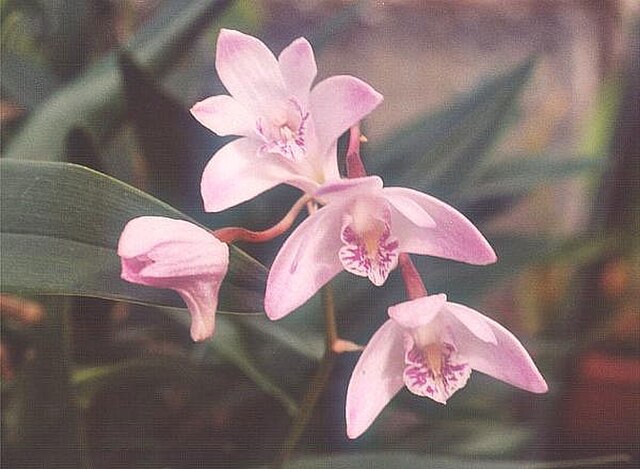
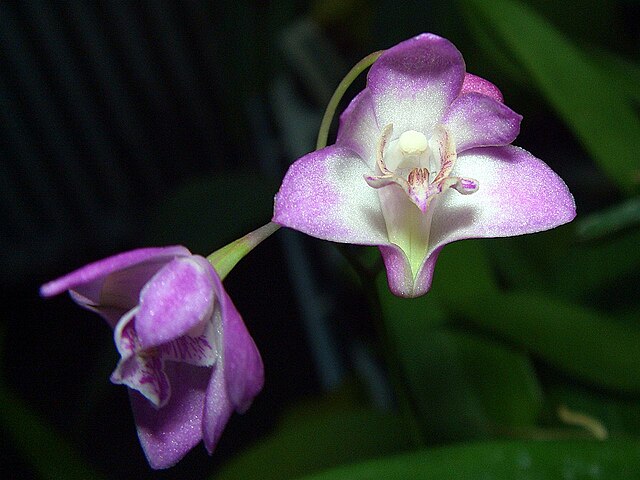
Dendrobium: Species Diversity and the Focus of This Guide
Dendrobium is one of the largest genera among orchids, with over 1,500 species distributed worldwide. It grows naturally across a wide range of habitats, from tropical Asia to Japanese mountains and South Pacific islands. The "Denphale" (Dendrobium phalaenopsis types) commonly seen in flower shops bloom year-round and are relatively easy to manage, but the "Nobile types" featured in this guide (Dendrobium Nobile hybrid varieties, D. nobile hybrid types) bloom en masse in spring after experiencing winter's cold temperatures, offering a seasonal charm that is truly captivating.
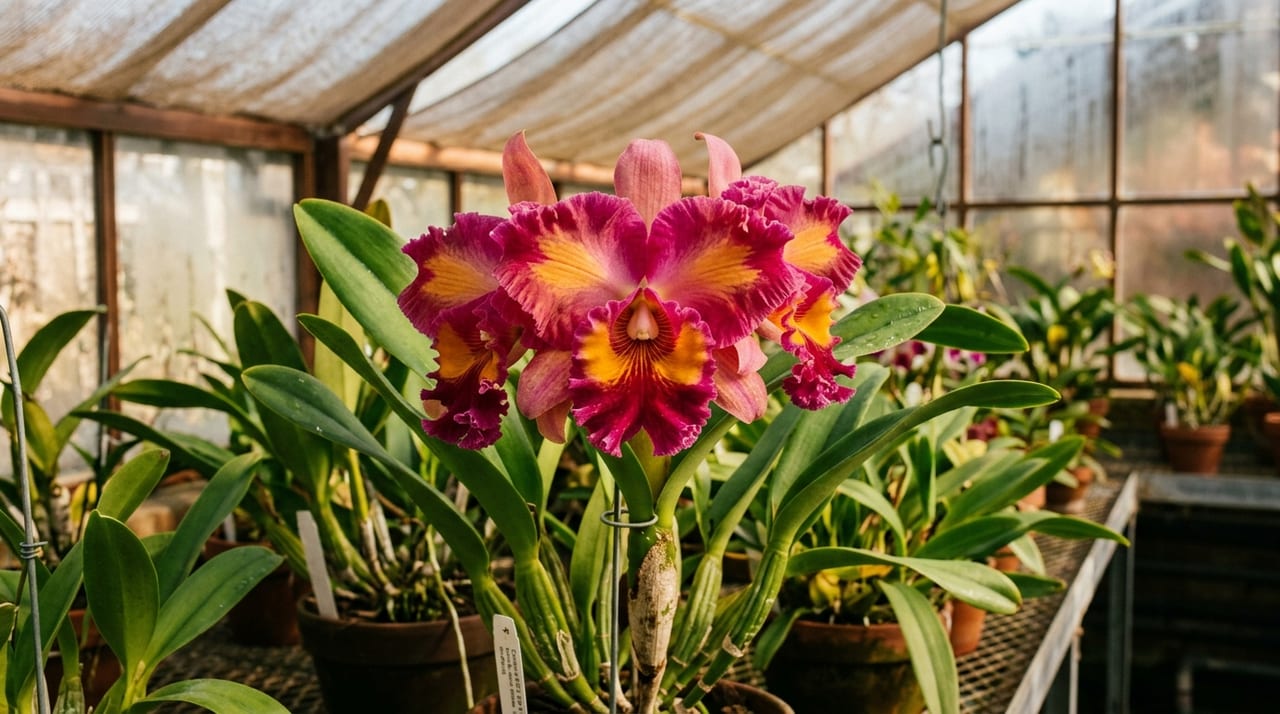
Nobile types come in a rich range of colors—white, pink, red, purple, yellow, and bicolor—with flowers lining the nodes of the pseudobulbs in a stunning display. With proper care, they will bloom reliably year after year for over a decade, with the plant becoming increasingly vigorous. The closely related Dendrobium kingianum has a stronger epiphytic nature and is popular for mixed plantings and tiered displays. Whether you are just starting out or struggling to get yours to bloom, understanding the annual growth cycle is the foundation for success.
Understanding the Growth Cycle: Seasonal Management Overview
The most important aspect of growing Dendrobium is adjusting your care to match the seasons. Build robust pseudobulbs from spring through summer, tighten care in autumn, and induce flower bud differentiation through winter chilling—break this cycle and spring blooms will be disappointing or absent.
Spring (March–May) | Recovery and New Growth Phase
Once flowering ends, cut the flower stems off at their base. At the same time, new pseudobulbs begin emerging from the base, so gradually resume watering and fertilizing. Growth is rapid during this period—new shoots can elongate several centimeters in just a week.
Summer (June–September) | Peak Growth Phase
This is when pseudobulbs grow most vigorously. Provide ample light and water, and fertilize 2–3 times monthly to build robust pseudobulbs. Your summer care directly determines the quantity and quality of blooms next spring.
Autumn (October–November) | The Hardening Phase
From late September onward, stop fertilizing and gradually reduce watering. Expose the plant to cool nights outdoors so the pseudobulbs mature and harden. Neglecting this autumn hardening will cause the plant to develop leaf buds (adventitious shoots) rather than flower buds in winter.
Winter (December–February) | Cold Treatment and Flower Bud Initiation
This is the critical period that triggers blooming. Details follow below.
Light and Location: Harnessing Sunlight
Dendrobium thrives in bright light. Insufficient light results in thin, weak pseudobulbs and compromises next year's blooming.
Outdoor Care (Spring–Autumn)
Place the plant outdoors as much as possible in a bright location protected from rain. Intense summer sun can scorch the leaves, so use 50–60% shade cloth or select a bright, partially shaded spot. Prioritizing light duration is key: a south-facing location with shade cloth produces more robust pseudobulbs than east- or west-facing partial shade.
Indoor Winter Care
During cold treatment, ensure the plant receives sunlight from an indoor windowsill. A south-facing window is ideal, but it must not receive direct heat from room heating. A covered porch or entryway that is bright during the day and cold at night is ideal.
Watering and Fertilizing: Understanding the Plant's Moisture-Sensitive Roots
Dendrobium prefers fast-draining media such as bark or pumice and is highly susceptible to root rot. The key is to water thoroughly but allow the medium to dry between waterings.
Watering During Growth (April–September)
Water thoroughly until water drains from the pot bottom, about 1–2 days after the bark surface dries. Even in hot, humid summer, stick to the "water when dry" rule. Never allow water to sit in the saucer.
Watering in Autumn and Winter
From October onward, gradually increase intervals between waterings; in winter (December–February), water only once every 2–4 weeks. Avoid complete drying; give a light watering when pseudobulbs begin to wrinkle.
Fertilizing
During the growth season, fertilize 2–3 times monthly with liquid fertilizer diluted to half strength. From June to August, use a balanced, general-purpose fertilizer (such as Hanakoujo or Hyponex). As September approaches, switch to a formula higher in phosphorus and potassium to encourage pseudobulb ripening and flower bud formation. Stop fertilizing entirely from October onward.
Winter Chilling: The Critical Step for Spring Blooming
For Dendrobium Nobile hybrids to bloom in spring, they must experience temperatures of 5–10°C (41–50°F) for 1–2 months during winter. This cold exposure triggers the physiological mechanism of flower bud differentiation. Skipping or shortening this treatment will cause adventitious shoots (keikis) to develop instead of flower buds.
Cold Treatment Timeline
- October–November: Place outdoors to acclimate to cool nights.
- December–Mid-January: Keep in an unheated space or where temperatures reach around 5°C (41°F)—an unheated porch, entryway, or shed works well.
- Late January–February: Once round flower buds appear on the pseudobulb nodes, move the plant indoors to a warm location and await blooming.
Common Mistakes to Avoid
Keeping the plant in a heated living room prevents cold exposure and prevents flower bud differentiation. Avoid freezing (below 0°C / 32°F) or frost, which damage roots and pseudobulbs.
Distinguishing Flower Buds from Adventitious Shoots
After cold treatment, buds emerge from the pseudobulb nodes. Flower buds are small, rounded protrusions; adventitious shoots (leaf buds) are thin, pointed, green growths. Abundant keikis indicate insufficient chilling. Note: once keikis are reasonably mature, you can remove and pot them separately to propagate new plants.
Repotting and Plant Renewal: Building the Foundation for Long-Term Enjoyment
Repot every 2–3 years in spring (March–May), ideally right after flowering ends. Crowded roots lead to poor drainage, causing root rot and stunted growth.
Repotting Steps
- Remove the plant from its pot and gently remove old bark and rotted roots by hand.
- Healthy roots are white to green and firm; remove brown, soft roots.
- Pot in fresh, medium-grade bark in either a terracotta pot one size larger or a similarly sized pot.
- Hold off watering for about a week after repotting to allow roots to establish in the new medium.
Media may be bark alone or bark mixed with pumice and volcanic rock. Whatever you choose, prioritize drainage and root aeration.
Conclusion: Follow the Annual Cycle, Enjoy Blooms Year After Year
The most important principle in growing Dendrobium Nobile hybrids is understanding and following the annual cycle: "build vigor in summer, chill properly in winter." Non-blooming typically results from insufficient summer light, inadequate autumn hardening, or insufficient winter chilling. Once you master these techniques, you'll enjoy luxurious spring blooms year after year—a highly rewarding plant to grow. Coax out the beauty of flowers lining each node of the pseudobulbs—an achievement well worth pursuing. When selecting plants from a grower, choose specimens with unblemished pseudobulbs and vigorous roots; this sets you up for success from year one.