Ficus (Rubber Plant) Care Guide | Umbellata, Bengalensis, and Altissima Care
Learn how to care for popular Ficus species by variety. We introduce daily care, pruning, and tips for winter survival.

Key Takeaways
Learn how to care for popular Ficus species by variety. We introduce daily care, pruning, and tips for winter survival.
Related Species
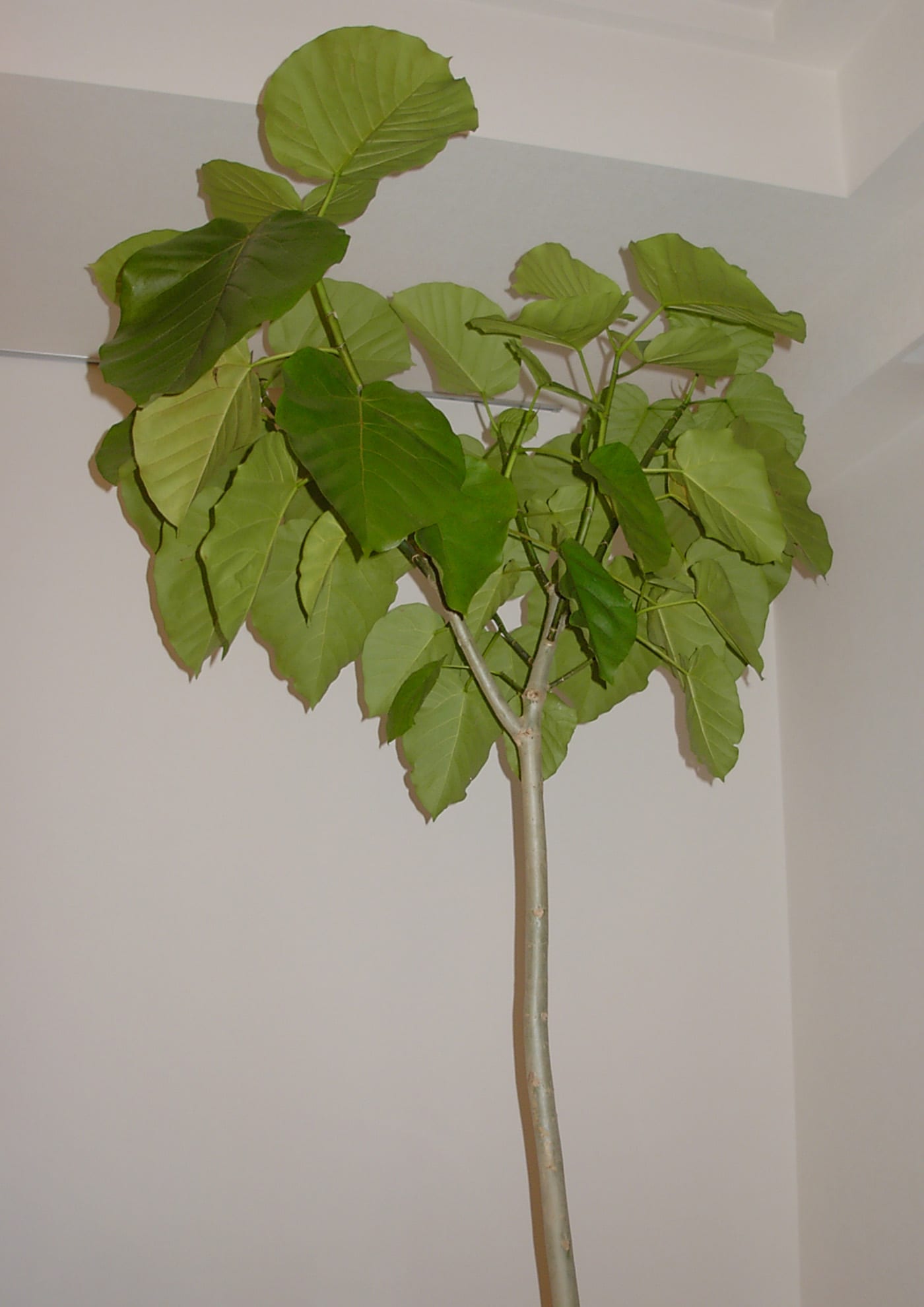
The Ficus genus (rubber plant relatives) is one of the most popular groups among foliage plants. Varieties like Umbellata, Bengalensis, and Altissima have become so standard that you can hardly go a day without seeing them displayed in interior shops. With beautiful tree forms and ideal as a symbol tree for any space, this guide covers the characteristics and care methods for Ficus's representative varieties.
| Variety | Light Preference | Characteristics |
|---|---|---|
| Umbellata | Bright indoor spaces; light through sheer curtains is ideal | Direct sunlight can cause leaf burn. Insufficient light causes leggy growth |
| Bengalensis | Adapts well from bright locations to semi-shade | Thick, durable leaves; tolerates minor environmental changes. Recommended for beginners |
| Altissima | Requires strong light (morning direct sunlight is ideal) | In dark locations, variegation may fade |
Ficus Umbellata: Characteristics and Care
Umbellata, popular for its large heart-shaped leaves, is one of the most beloved Ficus varieties.
Setting Up the Environment It prefers bright indoor spaces but can suffer leaf burn if exposed to direct sunlight. Light filtered through sheer curtains is ideal. While it has shade tolerance, insufficient light causes smaller leaves and leggy growth.
Watering During the growing season (spring to autumn), water generously when the soil surface dries. Water until it flows from the drainage holes and discard any water in the saucer. In winter, growth slows, so reduce watering to around 2-3 days after the soil completely dries.
Pruning and Shaping Umbellata tolerates pruning well and can be cut at any desired point. White sap flows from cut areas, so wear gloves when working. Pruning is best done from May to July; new shoots emerge from nodes below the cut and branch out. To create a curved trunk, use wire or tape to guide the young stem.
Winter Leaf Drop Umbellata is cold-sensitive and sheds leaves below 10°C. Even if leaves fall in winter, if the stem remains green, the plant is alive. Keep it in a warm location and new shoots will emerge in spring.
Ficus Bengalensis: Characteristics and Care
Bengalensis, characterized by whitish stems and elliptical bright leaves, is popular for natural-style interiors.
Setting Up the Environment It has better light tolerance than Umbellata and adapts well from bright locations to semi-shade. Its thick, durable leaves are unfazed by minor environmental changes. It's a recommended variety for beginners.
Watering and Fertilizing The basics are the same as Umbellata, but it prefers slightly drier conditions. Overwatering promotes root rot, so extend the interval between waterings. During the growing season, apply slow-release solid fertilizer once every two months or liquid fertilizer once every two weeks.
Handling Aerial Roots Bengalensis may develop aerial roots when conditions are favorable. These can be left as a natural feature or trimmed off as preferred. You can also guide aerial roots into the soil to develop a thick trunk-like appearance.
Ficus Altissima: Characteristics and Care
Altissima, with beautiful yellow-variegated leaves, has the effect of brightening a space.
Setting Up the Environment As a variegated variety, it requires strong light. In dark locations, variegation fades and the plant may become entirely green. A bright windowsill with morning direct sunlight is ideal.
Care Tips Among Ficus varieties, Altissima is somewhat sensitive to dryness. Be especially careful with drying from heating systems in winter; regular misting is effective. Dust accumulates easily on leaves, so wiping them with a damp cloth once monthly improves photosynthesis efficiency.
Repotting and Soil: Common to All Ficus
Here are the repotting tips common to all Ficus.
Repotting Timing May to July is optimal. As a guideline, repot once every two years. Signs for repotting include roots emerging from the drainage holes or slow water penetration. Move to a pot one size larger. If you prefer not to enlarge the plant, you can trim the roots and return it to the same pot.
Soil Mix Commercial foliage plant soil works fine, but mixing in red volcanic soil or pumice at 20-30% improves drainage and prevents root rot. Since Ficus dislikes excess moisture, prioritize good drainage.
Post-Repotting Care For two weeks after repotting, avoid direct sunlight and water sparingly. Minimize stress until roots establish.
Frequently Asked Questions and Practical Advice
Q. My plant dropped all its leaves after I moved it. A. Ficus is sensitive to environmental changes and sheds leaves to adapt when light, temperature, or humidity shifts. If the branches are still flexible, the plant isn't dead. After moving, keep it in one spot, avoid overwatering, and wait for new growth. Frequent relocation is the worst approach.
Q. White sap is leaking. Is it harmful? A. It's latex from Ficus that can cause skin irritation if it contacts your skin. Wear gloves when pruning and wash immediately if exposed. Remove cut branches and leaves promptly to prevent pets from ingesting them.
Q. My plant is just a bare stem. Can it recover? A. Recovery is possible if you scrape the stem and see green underneath. Keep it in bright shade with slightly dry soil and wait for the growing season. Applying fertilizer at this stage can damage roots since the plant cannot absorb it.
Ficus Pest and Disease Management
While Ficus is relatively hardy, watch out for several pests and diseases.
- Scale Insects White cotton-like insects may appear on leaf undersides and branch joints. Remove with a toothbrush or cotton swab and apply insecticide. Poor air circulation promotes infestation, so ventilate regularly.
- Spider Mites They thrive in dry environments. Watch for tiny white spots on leaf undersides. Regular misting is the most effective prevention.
- Root Rot Overwatering is Ficus's worst enemy. Never leave water in the saucer after watering and ensure good drainage with pot shards. Follow these basics consistently.
At GrowerDirect, you can purchase carefully shaped Ficus directly from specialty growers. For those seeking unique specimens with special styling or superior branching, the distinctive selection offered by the grower-direct model is a compelling feature.