Houseplant Watering Guide | Frequency, Amount & Seasonal Tips
Learn proper houseplant watering methods by season. This guide covers soil moisture checks, proper amounts, saucer management, and leaf misting techniques and precautions.
Key Takeaways
Learn proper houseplant watering methods by season. This guide covers soil moisture checks, proper amounts, saucer management, and leaf misting techniques and precautions.
Related Species
Houseplant Watering Guide | Complete Guide to Frequency, Amount & Seasonal Tips
When investigating why houseplants die, the causes typically come down to either "overwatering (excessive moisture)" or "underwatering (dryness)." While nutrient deficiency and insufficient light also play a role, watering mistakes are easy to overlook until symptoms appear, and root rot often goes unnoticed until it's already advanced. Conversely, if you master proper watering techniques, the difficulty of growing houseplants drops significantly. This article breaks down the "frequency," "amount," and "method" that often confuse beginners, explaining each with seasonal considerations in an easy-to-understand way.
---
The Watering Basics: Check Soil Condition, Not the Calendar
If you've decided to water twice a week but your plants aren't thriving, the problem may be relying too rigidly on a schedule. Watering frequency varies significantly depending on season, temperature, pot size, soil type, and location. What matters is not "which day of the week," but observing and assessing soil condition.
Watering Guidelines by Plant Type
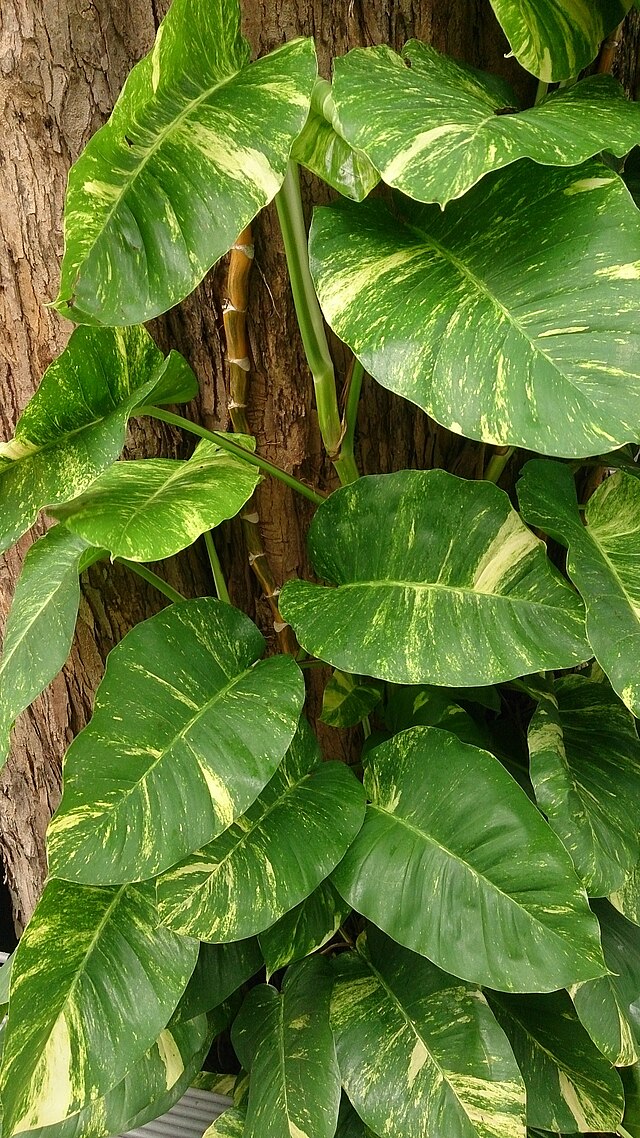
- Standard houseplants (Monstera, Ficus, Pothos, etc.)
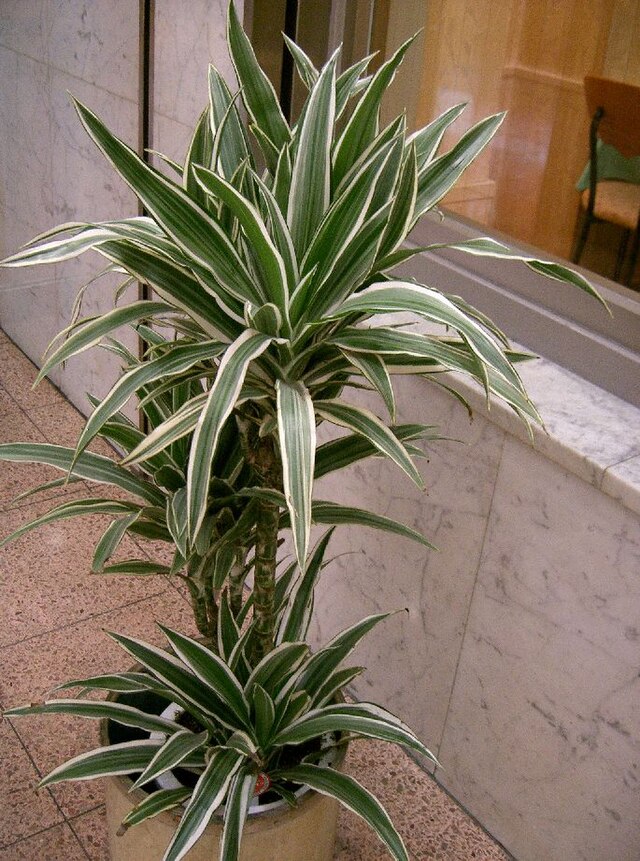
- Drought-tolerant plants (Sansevieria, Agave, Dracaena, etc.)
- Humidity-loving plants (Ferns, Calathea, Strelitzia, etc.)
Checking Moisture by Weight
Lifting the pot with both hands to check its weight is also an effective technique. Immediately after watering, the pot feels heavy; as the soil dries, the same pot becomes noticeably lighter. By lifting the pot daily and developing a feel for it, you can gauge soil moisture without digging.
---
Proper Watering Technique | Amount and Water Selection
Even with correct timing, improper technique can damage your plants.
Amount and Application Method
- Water the base directly, until water drains from the bottom of the pot—water generously and thoroughly. This ensures water reaches throughout the entire pot and to all corners of the root system.
- About 30 minutes after watering, always empty any water that has pooled in the saucer. Water pooling in the saucer keeps roots constantly saturated, causing root rot.
- Leaf misting is done separately from watering the soil. Don't confuse it with watering the base.
Water Temperature and Quality
- Room temperature to lukewarm water is ideal. Especially in winter, cold water can shock roots and damage them as temperatures drop rapidly.
- If using tap water, let it sit overnight; chlorine will evaporate, making it gentler on plants. Filtered water or room-temperature bottled water also works fine.
- When diluting and applying liquid fertilizer, do so during the growing season (spring–autumn); in winter, use only water as a rule.
---
Seasonal Watering Frequency and Precautions
Since houseplants' growth cycles vary by season, watering frequency must be adjusted seasonally.
Spring (March–May) & Autumn (September–October): Active Growth Period
Temperatures stabilize and plants grow most actively during this period. Water generously when the soil surface is dry. A guideline is 1–2 times per week, but always prioritize soil condition in your judgment. When new shoots appear, it's a sign to increase watering frequency slightly.
Summer (June–August): High Evaporation, Dries Quickly
High temperatures and active evaporation cause soil to dry faster. You may need to increase frequency to 2–3 times per week. However, high heat and humidity weaken roots, and root rot can progress rapidly if conditions become too wet. Ensure adequate watering while paying attention to pot drainage and air circulation in your plant's location. Avoid leaf misting at night; doing it in the morning is essential.
Winter (December–February): Dormant Period with Slowed Growth
Most houseplants grow slowly in winter, so water uptake slows. Reduce watering to once per week to once per 10 days; a good rule is to wait 2–3 days after the soil dries. Pay attention to water temperature to avoid chilling the roots. Indoor heating dries air, so supplement humidity with leaf misting while managing plants.
---
Leaf Misting: Benefits and Proper Technique
Leaf misting is the process of spraying water onto the upper and lower leaf surfaces with a spray bottle. While separate from watering the soil, it's an essential habit for maintaining houseplant health.
Key Benefits of Leaf Misting
- Raises air humidity and prevents leaf damage from dryness
- Suppresses pests like spider mites and dust mites that thrive in dry conditions
- Removes dust and dirt buildup on leaves, improving photosynthesis efficiency
- Makes leaves glossy and maintains attractive appearance
Leaf Misting Tips
The basic rule is to leaf mist in the morning and avoid it at night. If leaves stay wet as temperatures drop at night, fungal diseases and other problems become more likely. Spray not just the upper leaf surface but also the undersides thoroughly, where spider mites often appear.
---
Watering Mistakes to Avoid
Care practices you think are helping may actually be weakening your plants. If any of these apply to you, review your practices immediately.
- Watering small amounts daily: Water doesn't reach deep roots; the surface stays moist while deeper soil stays dry. Roots don't grow deep seeking water, resulting in shallow roots that topple easily.
- Leaving water in the saucer: Keeps roots constantly waterlogged, causing oxygen deficiency and root rot. Empty the saucer within 30 minutes of watering.
- Leaf misting at night: High humidity overnight creates conditions for fungal diseases and botrytis.
- Watering with cold water in winter: Sudden temperature changes damage roots. Use room-temperature water.
- Watering wet soil: Watering just because several days have passed, even when the soil isn't dry, causes overwatering.
---
Botachoku's Safe & Secure System
In Botachoku's foliage plant category, you can purchase healthy plants directly from growers who maintain meticulous watering practices. Unlike typical online retailers, buying directly from the grower lets you ask about the specific watering frequency and care suited to that particular plant—a major advantage. You can easily message the grower with straightforward questions like "How much should I water this plant now that it's at my place?" Botachoku cherishes a system where growers and buyers stay thoughtfully connected, so you can confidently continue care after purchase. Even if you're a beginner unsure about watering, we encourage you to find a plant that catches your eye.