Fouquieria Care Guide
From the characteristics of Fouquieria's native habitats to placement, watering, soil, repotting, and propagation, this guide explains the key points for cultivating it as a caudex plant.
Key Takeaways
From the characteristics of Fouquieria's native habitats to placement, watering, soil, repotting, and propagation, this guide explains the key points for cultivating it as a caudex plant.
Related Species
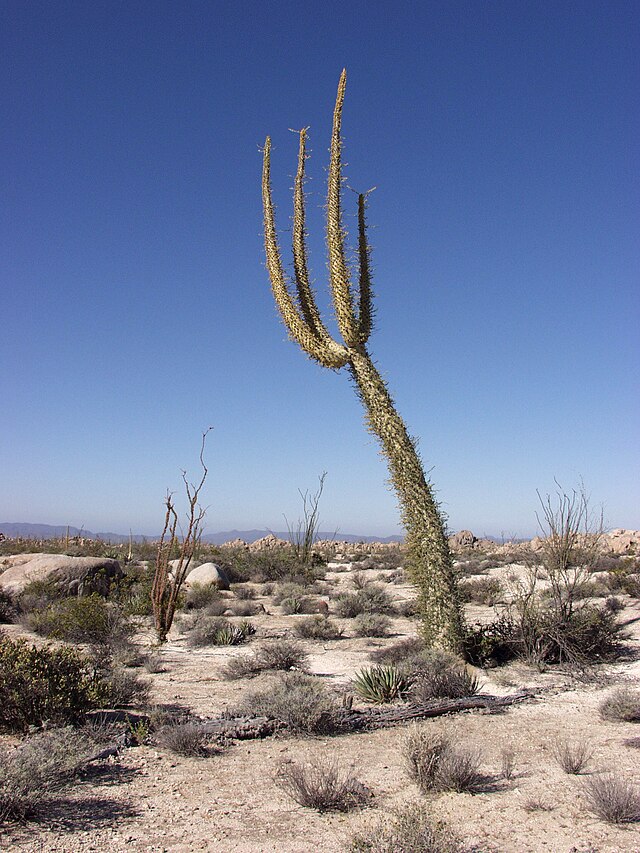
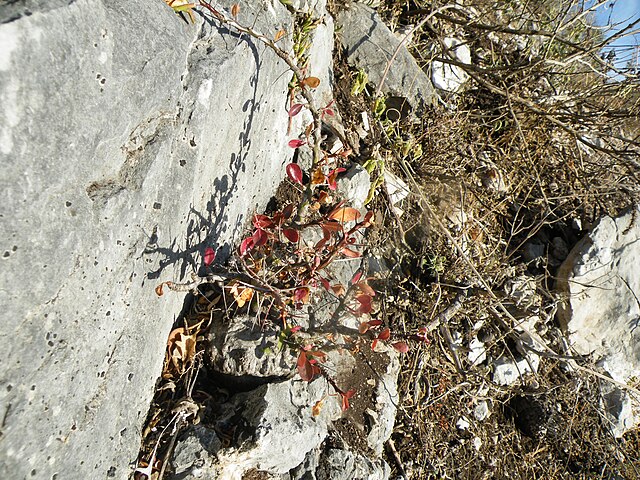
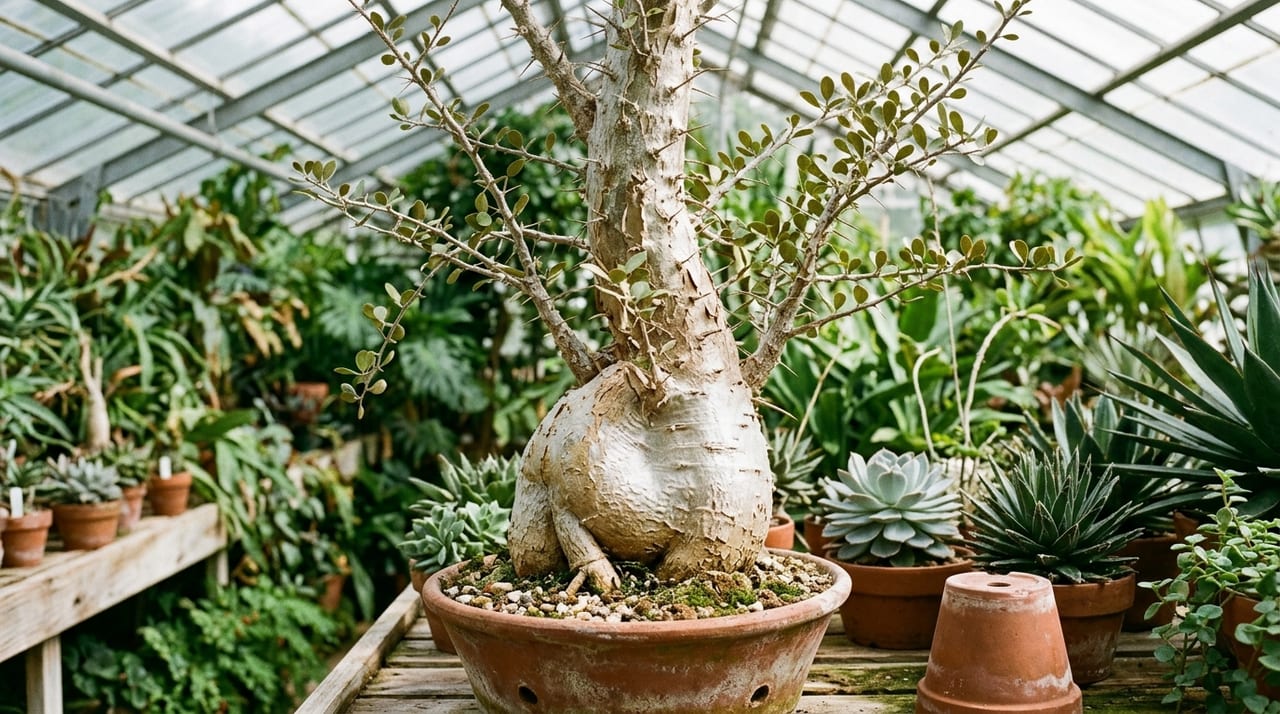
Fouquieria is a caudex plant distributed across the arid regions from northwestern Mexico to the southwestern United States, characterized by thick basal stems from which thin branches extend, and small leaves that foliage only during the rainy season, creating a distinctive tree form. Many species grow wild on rocky slopes around the Sonoran Desert and possess a unique ecology: they shed their leaves and go dormant during the dry season, then rapidly unfold foliage with even minimal rainfall. Because of this distinctive ecology, they have long been cultivated by caudex (caudiform plant) enthusiasts. In Japan too, their availability has increased in recent years, and their popularity is growing as plants that can be enjoyed in a wide range of sizes, from seedlings to mature specimens.
Basic Characteristics of Fouquieria
Many species within the Fouquieria genus are known, but those most commonly cultivated are species such as Fouquieria columnaris and Fouquieria fasciculata. Fouquieria columnaris is characterized by a thick, swollen trunk from which thin branches radiate outward, and as it matures it displays a distinctive bottle-shaped silhouette. Fouquieria fasciculata similarly possesses a caudex-form enlarged base, and while growth is gradual, the trunk's texture and presence intensify year after year. Both require many years to grow from seed, but this investment is rewarded by the pronounced individuality of each plant—even within the same species, each specimen differs in trunk thickness and branch angles, which is part of their appeal.
Light and Placement Management
Fouquieria prefers strong sunlight, making sunny outdoor locations or bright windowsills and balconies (ideally south-facing indoors) ideal growing environments. Insufficient light can cause etiolation with elongated, sparse branches and irregular leaf shedding, so maintaining adequate light during the growing season from spring through autumn is important. While these plants are relatively tolerant of intense summer sun, sudden exposure to strong light can damage leaves and branches, so it's wise to gradually acclimate them over several days when moving outdoors. In winter, relocate to a bright indoor windowsill and maintain temperatures that don't drop significantly. Good air circulation also prevents etiolation and pest issues, so ventilation is an important consideration when choosing a location.
Watering and Seasonal Management
The key to watering Fouquieria is to create a clear distinction between the growing and dormant seasons. During the growing season from spring through autumn when leaves are expanded, water thoroughly whenever the soil surface dries out, allowing roots to absorb water fully. Conversely, as temperatures drop and leaf shedding begins in late autumn through winter, the plant enters dormancy, so watering frequency should be significantly reduced and the soil kept somewhat dry. Overwatering during dormancy is a common cause of root rot, so careful observation of soil dryness and restrained watering habits are key to maintaining plant health long-term. During dry seasons, light misting can help supplement ambient humidity. Once leaf shedding begins, gradually increase intervals between waterings, and by the time dormancy is complete, water only minimally to protect roots and help the plant survive winter.
Soil and Repotting
Like caudex plants in general, Fouquieria dislikes excessive moisture, making well-draining soil essential. A commercial cactus and succulent mix amended with pumice or volcanic rock to enhance drainage is practical, and always choose pots with drainage holes. Repotting is best done just before the growing season begins; gently loosen the root ball, remove damaged roots, then pot up into a container one size larger with fresh soil. Immediately after repotting, roots have reduced water-absorption capacity, so withhold water for several days to a week until the roots settle before resuming normal care to minimize transplant stress. Sudden increases in pot size can slow drying and lead to overwatering, so select pots proportional to the plant's size.
Propagation and Daily Observation
Fouquieria is primarily propagated from seed, as rooting from cuttings is difficult. Growing from seed can take time to germinate, but patience combined with consistent temperature and appropriate humidity will improve germination rates. In daily care, developing the habit of observing each plant's changes—branch growth, leaf color and shine, dormancy timing—builds cultivation skills. Since different caudex species vary in dormancy timing and water needs, closely observing your individual plant's behavior and flexibly adjusting seasonal care accordingly is crucial for long-term success. Regarding pests, scale insects and spider mites can occur in dry environments, so maintaining good air circulation and periodically inspecting the undersides of leaves and branches enables early detection.
Summary
Fouquieria is a captivating plant that offers both distinctive form and the commanding presence characteristic of caudex plants. While it demands strong light and requires clear distinction between growth-season and dormancy-season watering, mastering the fundamentals of care allows you to enjoy observing its changes over many years. The variety among species—Fouquieria columnaris and Fouquieria fasciculata presenting notably different appearances—is part of what makes this genus interesting to cultivate. Our site features an online catalog of caudex plants including Fouquieria grown by our growers, so please visit if you're interested.