How to Grow Hamanas | Salt-Tolerant Wild Roses Native to Coastal Areas and Beautiful Rose Hips
An explanation of the characteristics and cultivation methods of Hamanas, a wild rose species native to Japanese coasts. This guide covers the key points for planting in gardens by leveraging salt tolerance and cold hardiness, as well as how to use and propagate the fruits (rose hips).
Key Takeaways
An explanation of the characteristics and cultivation methods of Hamanas, a wild rose species native to Japanese coasts. This guide covers the key points for planting in gardens by leveraging salt tolerance and cold hardiness, as well as how to use and propagate the fruits (rose hips).
Related Species
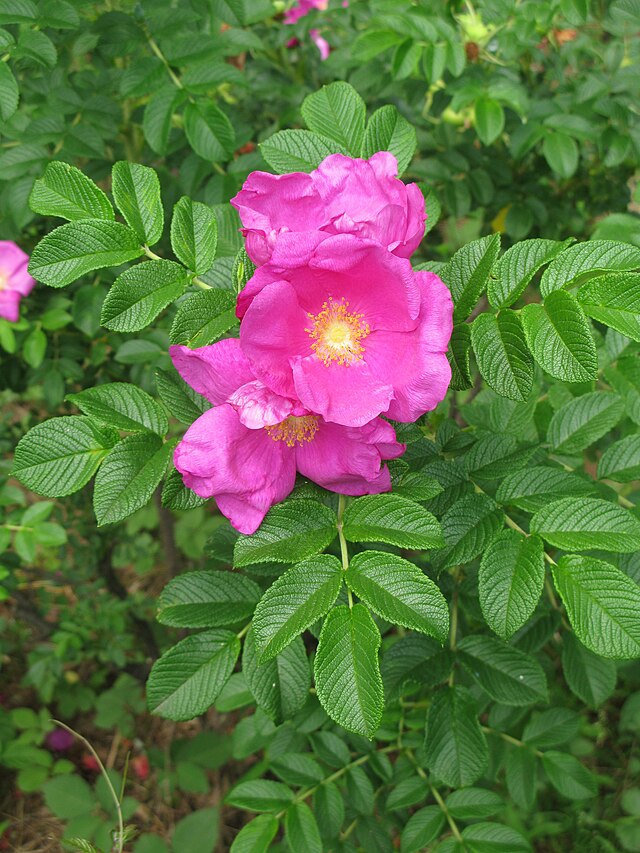
Hamanas (scientific name: Rosa rugosa), a deciduous Rosaceae shrub, are native to coastal sand dunes and sandy beaches along the Pacific and Sea of Japan coasts of Hokkaido and the Tohoku region. Among "wild rose species," they are particularly noted for their exceptional salt tolerance and cold hardiness, thriving vigorously even in harsh, salt-spray-prone environments. From late spring through autumn, they produce fragrant flowers, and after flowering develop bright red rose hips. Because both flowers and fruits can be enjoyed, demand for Hamanas in garden planting and gardening has been growing.
Basic Characteristics of Hamanas and Strengths of Coastal Native Species
The scientific name Rosa rugosa gets its "rugosa" part from Latin, meaning "wrinkled," a name that directly captures the distinctive finely wrinkled texture of the leaves. It grows into a compact shrub reaching about 1 to 1.5 meters in height, with sharp thorns densely covering the branches.
The flowers are typically reddish-purple in color, though white-flowering specimens and cultivars are also available in cultivation. The fragrance released from the single-layered, large blooms is exceptionally strong even among roses, and has long been valued as a source material for rose oil and potpourri. The flowering period extends from May to September, and their ability to repeatedly bloom throughout the season is another attractive feature.
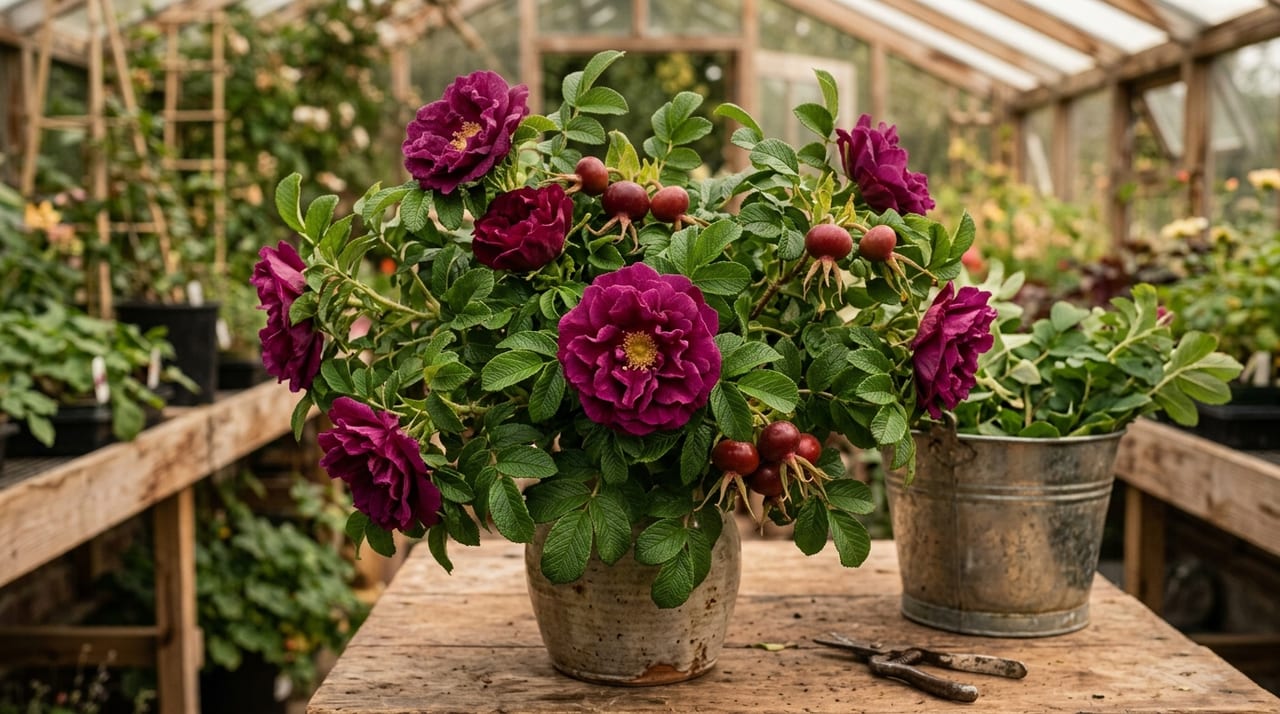
The rose hips formed after flowering are roughly spherical, about 2 to 3 centimeters in diameter, ripening to a vivid scarlet-red in autumn. Rich in vitamin C and other nutrients, they hold high value as an edible and herbal ingredient, widely used in jams and herbal teas.
Choosing Planting Location and Soil
When cultivating Hamanas, the first priorities are securing "sunlight" and "drainage."
- Sunlight: A location with adequate light throughout the day is ideal. While flowers will bloom in partial shade, prolonged insufficient light will reduce flowering and weaken plant vigor.
- Drainage: Reflecting their native sandy coastal environment, they prefer well-draining soil. In heavy, clay-based soils, root rot is more likely to occur; mix in leaf mold or perlite to improve drainage before planting.
- Salt Spray and Salt Damage: With high salt tolerance, they can be grown in coastal gardens and reclaimed coastal sites. Even in environments where other rose varieties are damaged by salt spray, Hamanas adapt readily.
- Cold Hardiness: They possess high cold hardiness, enduring even Hokkaido's severe winters. Special winter protection materials are generally unnecessary in cold regions; they can overwinter outdoors without additional protection.
Container cultivation is also possible, but since they spread via underground runners, using a large pot or installing a root barrier beneath the soil helps manage spread if space is limited. For in-ground planting, spacing plants at least 1 to 1.5 meters apart from neighboring plants is recommended.
Watering and Fertilizing
Once established, in-ground Hamanas can be managed with natural rainfall alone. Being drought-tolerant, overwatering tends to promote root rot. It suffices to supplement water only during extended dry spells in midsummer when rain is prolonged.
For container-grown plants or recently planted specimens, water thoroughly when the soil surface dries out. If water accumulates in the saucer, it can lead to root rot; always empty the saucer.
Be cautious about over-fertilizing. Excessive fertilization can lead to lush leaf growth at the expense of flowers, and weak, elongated shoots that attract pests and diseases. Applying slow-release fertilizer at the base twice—once before spring growth and again in early summer after the first flush of flowers—is the appropriate management guideline.
Pruning and Plant Management
Pruning Hamanas does not require the meticulous care needed for modern ornamental rose cultivars. The basic approach is to "remove overgrown branches and improve air circulation."
- Post-Bloom Cutback: Pruning spent flower branches moderately encourages the formation of the next set of flower buds. However, if you wish to enjoy autumn rose hips, keep pruning light from summer onward. Removing branches before fruits form will result in losing that season's rose hips.
- Winter Shaping: During dormancy after leaf drop, remove old and dead branches at the base. Dense growth in the center of the plant creates conditions for disease and pests; perform thinning cuts on inward-facing and crossing branches.
- Managing Suckers: Young shoots (suckers) emerging from underground runners will cause the plant to spread widely if left unchecked. In space-limited locations, remove suckers at the base as soon as they appear, or dig them up for propagation and transplanting.
When pruning, always wear heavy-duty leather gloves, as the many thorns can easily penetrate bare hands or thin rubber gloves.
Harvesting and Using Rose Hips
Autumn-ripened rose hips that have turned scarlet-red are best harvested when they feel slightly soft to the touch. Harvesting before full ripeness results in underdeveloped seeds, while over-ripe fruit becomes mushy and difficult to process.
Harvested rose hips can be used in the following ways.
- Herbal Tea: Halve the fruits and remove the seeds and inner fibers, then slowly dry them in a shaded, well-ventilated location before use.
- Jam: Cook the flesh (after removing seeds and inner material) down with sugar. The resulting jam is characterized by a refreshing tartness and deep red color.
- Wreaths and Dried Flowers: Cutting partially ripe fruits on the branch and drying them allows them to be displayed as autumn and winter décor for an extended period.
When processing, pay attention to the fibers and seeds inside the fruit. The fine hairs can irritate the throat and mucous membranes, so carefully remove seeds and inner material before use.
Propagation and Garden Application
Hamanas are vigorous reproducers and can be propagated through multiple methods. The easiest is division of suckers from the underground runners. Simply separate them from the parent plant and plant them during calm periods in spring or autumn, and they root relatively readily. Since vigorous plants produce suckers almost yearly, you can readily propagate them if garden space permits.
Propagation by cuttings typically uses semi-hardwood from June to July. Make diagonal cuts, retain 2 to 3 leaves, insert into cutting medium, and maintain moisture until rooting occurs. Once roots are confirmed, gradually transplant into larger pots or the garden.
Garden applications are diverse, ranging from challenging coastal sites to typical inland gardens. When mass-planted as a hedge substitute, the thorns serve the practical dual purpose of security deterrent. Combining them with low-growing perennials and ornamental grasses creates a naturally wild garden aesthetic. For foot traffic areas, consider the thorns by spacing plants slightly away or orienting them away from the pathway.
Regarding pests and diseases, the innate vigor of wild roses means incidence is generally lower than in modern ornamental varieties. However, in poorly ventilated, high-humidity conditions, aphids may appear; maintaining good air circulation by thinning dense growth is the basic preventive approach. When using pesticides, follow label instructions and use products registered for the target pest and crop.
Having flourished for centuries in the harsh coastal sandy environment, Hamanas truly shine in "difficult" growing conditions. Why not incorporate this wild rose species—with its complementary flowers, fragrance, and fruits—into a corner of your garden?