How to Grow Jewel Orchids | Substrate, Light, Winter Care, and Pest Management
This guide explains how to grow Jewel Orchids, starting with difficulty comparisons by species such as Macodes and Ludisia. We cover soil composition, light intensity of 500–1,500 lux, terrarium cultivation, strategies for winter temperatures below 15°C, and pest management.
Key Takeaways
This guide explains how to grow Jewel Orchids, starting with difficulty comparisons by species such as Macodes and Ludisia. We cover soil composition, light intensity of 500–1,500 lux, terrarium cultivation, strategies for winter temperatures below 15°C, and pest management.
Related Species
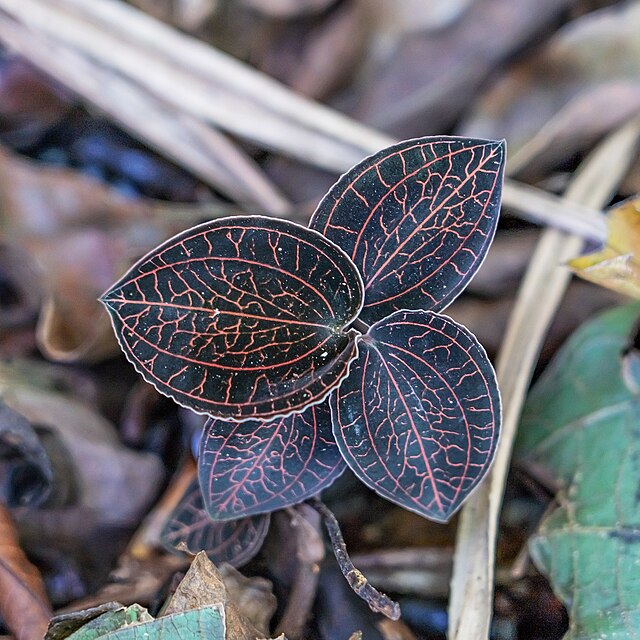
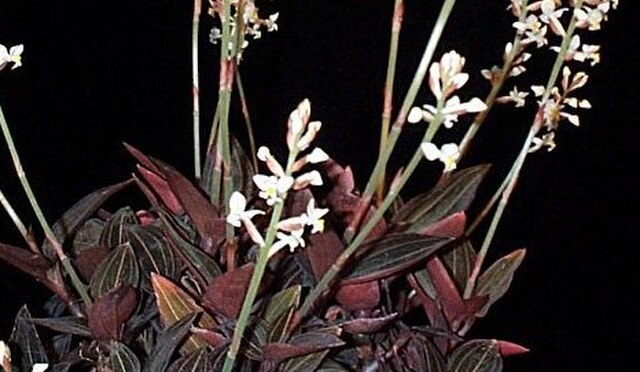
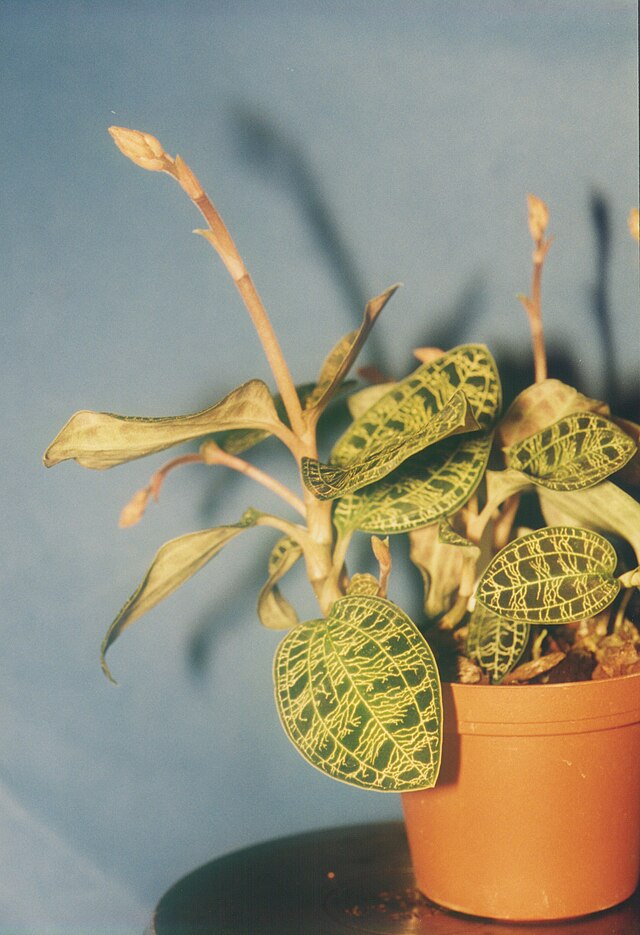
Jewel Orchids are members of the orchid family prized for their foliage rather than flowers. Their velvety leaves feature gold or silver veins that shimmer like jewels when touched by light, which inspired their common name. Notable genera include Macodes, Anoectochilus, and Dossinia, and they grow naturally on the forest floor of tropical rainforests in Southeast Asia. Unlike typical orchids, they require completely different care; however, they thrive in terrariums and have gained attention as decorative houseplants.
Main Types and Characteristics of Jewel Orchids
The most readily available is Macodes petola, a beautiful species with deep green leaves crossed by gold veins that resemble lightning bolts. It is relatively easy for beginners to grow and ideal for starting with Jewel Orchids. Leaves measure around 3–5 cm and grow close to the ground.
The genus Anoectochilus has even more ornamental leaf veining and is popular with collectors. In particular, Anoectochilus roxburghii displays copper-colored leaves with silver-white reticulated patterns, creating an art-like beauty. However, cultivation is somewhat more demanding than Macodes, and the plant is sensitive to environmental changes.
Dossinia marmorata is an endemic large species from Borneo, with leaves sometimes exceeding 10 cm in diameter. Its reddish leaves with white veining have a unique beauty and are considered among the most ornamental of Jewel Orchids.
Ludisia discolor is the hardiest species and thrives even in dimly lit environments. In addition to the type form with dark green to black leaves and red veining, there are also varieties such as alba (with white veins).
Comparison by Species | Difficulty and Leaf Size Guide
To provide a comprehensive overview, we have compiled a list of four representative genera.
| Genus/Species | Leaf Characteristics | Leaf Size | Light Requirements | Ease of Growth |
|---|---|---|---|---|
| Macodes petola | Lightning-like gold veins on deep green | 3–5 cm | 500–1,500 lux | Easy |
| Ludisia discolor | Red veins on dark green to reddish-brown | 5–8 cm | 500–1,000 lux | Easiest |
| Anoectochilus roxburghii | Silver-white reticulated pattern on copper | 3–5 cm | 500–1,000 lux | Moderately challenging |
| Dossinia marmorata | White veining on reddish leaves | 10 cm or more | 800–1,500 lux | Moderate |
For your first plant, Ludisia discolor or Macodes petola is a sure choice. Ludisia tolerates dimly lit environments and can be grown without a sealed container, making it suitable for trial cultivation before investing in a terrarium.
Note that Jewel Orchids are terrestrial orchids (orchids with roots in the ground) and are not suitable for epiphytic cultivation on cork or driftwood. Epiphytic mounting causes roots to dry out excessively and weaken; always plant them in substrate.
Substrate and Basic Planting
Jewel Orchids are terrestrial orchids and do not thrive in standard epiphytic potting media. The ideal substrate is a mixture of fine bark, peat moss, perlite, and leaf mold in equal proportions. Good drainage combined with adequate water retention is essential.
You can also use commercial potting soil for houseplants supplemented with approximately 20% perlite and 20% bark. A pH of 5.5–6.5 (weakly acidic) is optimal; avoid alkaline substrates. Ensure drainage by placing netting and pebbles at the pot base.
Use shallow plastic pots or glass terrarium containers. Unglazed clay pots are not recommended as they dry out too quickly. When planting, take care not to damage the roots, and plant at a depth where the stem is just lightly buried in the substrate.
Light, Temperature, and Humidity Management
As forest floor plants, Jewel Orchids dislike strong light. Direct sunlight is strictly prohibited; indirect light from fluorescent or LED sources, or weak light from a north-facing window, is sufficient. Excessive light dulls the leaf veining and causes leaf burn. An illumination level of around 500–1,500 lux is ideal.
The optimal temperature range is 20–28°C; growth slows below 15°C. In a climate-controlled room, plants can be managed year-round without issue. Avoid extreme temperature fluctuations and maintain a stable environment—this is key to long-term success.
Ideal humidity is 70–90%, which presents the greatest challenge in Jewel Orchid cultivation. Terrariums and sealed containers maintain high humidity naturally. In open environments, use a humidifier or pebble tray. However, stagnant air promotes fungal growth, so ensure gentle air circulation.
Terrarium Cultivation Techniques
Jewel Orchids and terrariums are an ideal combination. Sealed or semi-sealed glass containers naturally maintain high humidity. Create a base layer of pebbles or hydroton (2–3 cm), add a thin layer of activated charcoal above, and place approximately 5 cm of substrate for planting.
LED lighting is ideal, with 8–10 hours of daily illumination highlighting the foliage. Soft white LED light displays the leaf veining most beautifully. Using a timer to maintain consistent lighting simplifies care.
Water the terrarium with a mister. When the substrate begins to dry, spray the walls or substrate surface lightly—avoid standing water. Sealed terrariums may need watering only every 2–3 weeks. When condensation disappears from the glass walls, it is time to water.
Planting mosses (such as feather moss or fringed moss) alongside enhances the natural appearance and helps stabilize humidity. However, vigorous moss growth can smother the orchid's base, so trim regularly.
Propagation and Flower Management
Jewel Orchids are relatively easy to propagate by stem cuttings. Cut the stem into 2–3-node segments and lay them horizontally on moist sphagnum moss in a sealed container. After 2–4 weeks, new shoots and roots emerge from the nodes. Once rooted, transplant into standard substrate.
Flowers are typically small and inconspicuous, but if conditions are right, flower stalks develop naturally. Blooming depletes the plant's energy; to prioritize foliage, remove flower stalks early. Young plants especially benefit from not being allowed to flower, channeling energy into vegetative growth.
Common Cultivation Problems and Solutions
Elongated stems (leggy growth): Caused by insufficient light. Move the LED closer or increase illumination time. Avoid sudden increases in light intensity, which cause leaf burn; adjust gradually.
Loss of leaf luster: Excessive light dulls leaf veining. Avoid direct sunlight and overly intense LED illumination.
Fungal growth: Common in terrariums. Remove immediately upon discovery and increase ventilation by opening the lid. Mixing activated charcoal into the substrate helps prevent fungal issues.
If stems break: Although Jewel Orchid stems are fragile, broken pieces placed on moist sphagnum moss will root via stem propagation. Grow them as new plants; do not discard.
Seasonal Care | Preparing for Summer Heat and Winter Cold
Jewel Orchids thrive in stable conditions year-round; in Japan's climate, extra care is especially needed in midsummer and midwinter.
Summer (when nighttime temperatures exceed 25°C) As forest floor plants, they suffer not from high temperature alone but from "high temperature plus poor airflow." Sealed terrariums trap heat easily, so slightly open the lid during the day or use a small fan for gentle air circulation. Avoid placing plants where air-conditioner drafts cause leaf drying and shriveling.
Winter (when room temperature drops below 15°C) Growth stops below 15°C; below 10°C, leaves darken and deteriorate. Windowsills have large day-night temperature swings, often dropping 5°C or more at night, so move plants away from windows in winter. Heating pads or reptile heat mats placed against the terrarium's sides maintain stable 18–20°C temperatures.
As growth slows in winter, extend the watering interval. Sealed containers may need watering only monthly; open environments only after the substrate surface dries. Most winter damage comes not from cold itself but from root rot caused by overwatering in cold conditions.
Common Pests and Management
High humidity environments can harbor pests beyond fungi. Early detection allows effective management.
- Slugs and snails: Consume new shoots and young leaves overnight. They often enter via unwashed sphagnum moss or plants, so clean or scald them before use. Remove by hand if found.
- Springtails: Tiny 1–2 mm insects that hop on the substrate surface. They cause minimal direct damage, but mass occurrence indicates overwatering; reduce watering and increase ventilation.
- Fungus gnats: Lay eggs in moist organic substrate; larvae damage roots. Lightly dry the substrate surface and use sticky traps.
- Scale insects and aphids: Infest stem bases and new shoots. Wipe with cotton swabs if few; isolate the plant before treatment if infestation is widespread.
When using pesticides, always follow dilution rates and apply to the substrate, not the foliage. Jewel Orchid leaves are covered in fine velvety hairs; dried residue dulls the leaf veining. For overall terrarium environments, also see Orchid Terrarium Cultivation.
The Joy of Collecting
Jewel Orchids are highly collectible due to their species-specific leaf veining patterns. Gold veins of Macodes petola, silver reticulation of Anoectochilus, and red veining of Ludisia each offer distinct beauty. Combining multiple species in one terrarium highlights their color and pattern differences for striking visual impact.
Find Brilliant Jewel Orchids at GrowerDirect
At GrowerDirect, you can purchase specialty Jewel Orchid plants directly from expert growers. Direct sales offer unique benefits, including cultivation tips for each variety and terrarium design guidance from specialists. We invite you to step into the magical world of these jewel-like orchids.