How to Grow Miltonia and Miltoniopsis | The Charm of Pansy Orchids and Cultivation Tips
Learn how to grow Miltonia and Miltoniopsis orchids that produce large pansy-like flowers. Discover key tips for temperature control, watering, and repotting.
Key Takeaways
Learn how to grow Miltonia and Miltoniopsis orchids that produce large pansy-like flowers. Discover key tips for temperature control, watering, and repotting.
Related Species
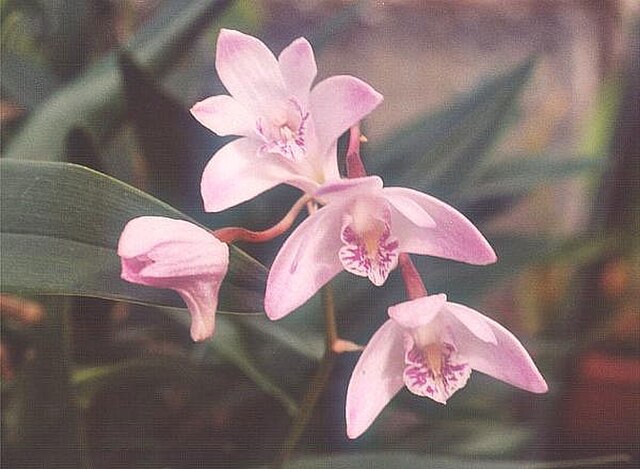
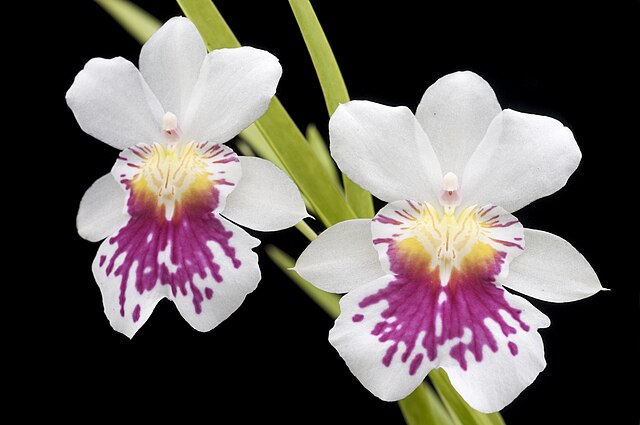
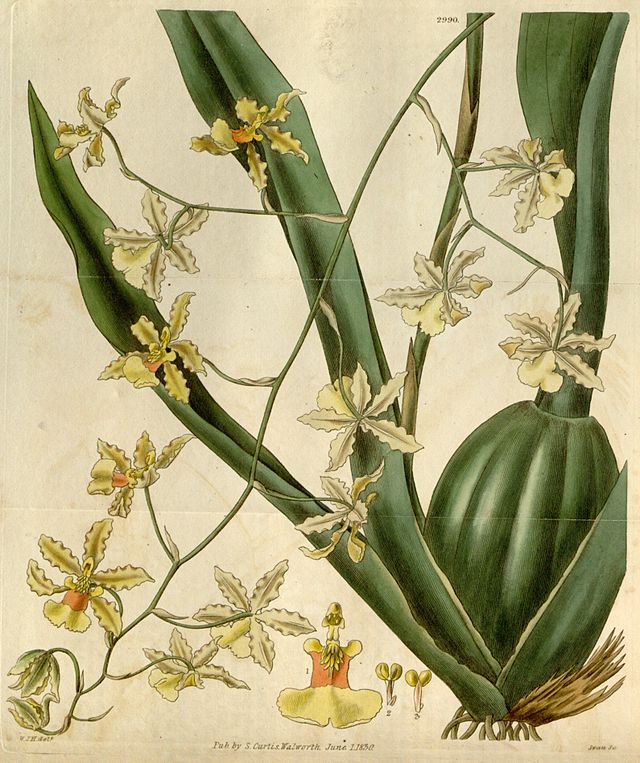
Miltonia and Miltoniopsis are members of the orchid family, affectionately known as "Pansy Orchids" for their large pansy-like flowers. Many species are native to the high elevations of South America, including Brazil and Colombia, and their primary characteristic is a preference for cool environments. While they require different care than Phalaenopsis or Dendrobium orchids, once you master the basics, you can enjoy stunning blooms year after year. Here, we explain in detail the differences between the Miltonia and Miltoniopsis genera, along with practical cultivation techniques.
Differences Between Miltonia and Miltoniopsis
In horticulture, they are often collectively called "Miltonia," but they actually belong to two different genera. The Miltonia genus is native to altitudes of 500-1500m in southern Brazil and can adapt to somewhat warmer conditions. In contrast, the Miltoniopsis genus inhabits cloud forests at 1500-2500m altitudes in Colombia and Ecuador, requiring cooler, more humid environments.
Their flowers also differ in shape: Miltonia petals are slightly elongated and star-like, while Miltoniopsis petals are distinctly round and pansy-like. The plants sold as "Pansy Orchids" in garden shops are primarily Miltoniopsis species or their hybrids. When purchasing, it's important to check the genus name on the label and select the appropriate care method.
Many hybrid species between the two genera have been developed, including complex intergeneric hybrids such as "Miltonioda" (Miltoniopsis × Oncidium types). These hybrids inherit traits from both parents, and some have improved heat tolerance, making them relatively easier to grow even in Japan's climate.
Placement and Temperature Management Tips
The biggest challenge for Miltoniopsis is Japan's hot summers. The ideal growing temperature is 15-25°C; prolonged exposure to temperatures exceeding 30°C weakens the plant and can even lead to death. In summer, place the plant in an area with 60-70% shade and ensure maximum air circulation. Moving it to an air-conditioned room is also an effective strategy.
In winter, the plant can overwinter without issue as long as the temperature stays above 10°C. Avoid placing it where heating vents blow directly on it, as this causes excessive drying. Ideally, place it by a cool window where nighttime temperatures drop to around 12-15°C. This temperature difference promotes flower bud differentiation.
It needs slightly brighter light than Phalaenopsis orchids. Light filtered through sheer curtains is sufficient, but in winter, when daylight hours are shorter, expose it to 1-2 hours of morning direct sunlight to promote robust growth. Dark green leaves indicate insufficient light; yellowish-green indicates proper light levels; reddish tones signal excessive light.
Watering and Humidity Management
Because Miltoniopsis has thin leaves, it is more susceptible to drought stress than other orchids. The basic rule is to water before the growing medium dries out completely. As a guide, water bark-based media every 2-3 days and sphagnum moss every 3-4 days. However, frequency varies greatly by season and conditions, so water when the surface feels slightly dry to the touch.
Ideal humidity is 60-80%. Using a humidifier or placing the pot on a pebble tray is effective. You can mist leaves daily, but avoid letting water accumulate in leaf bases as this can cause pseudobulb rot; simply spray the leaf surface lightly.
During hot summers, preventing moisture buildup is the top priority. Water in the morning and ensure the pot doesn't become a steam bath during the day. Keeping a gentle fan circulating air continuously is the key to surviving the hot season.
Repotting and Media Selection
Repot every 1-2 years when new growth shoots reach about 5cm. A well-balanced medium consists of bark (medium to fine grade) mixed with approximately 20% perlite for good drainage and water retention. While you can grow them in pure sphagnum moss, it's prone to root rot in summer and is better suited for experienced growers.
Plastic pots are most suitable. Terracotta pots dry too quickly and are unsuitable for drought-sensitive Miltoniopsis. Choose a pot only one size larger than the plant; avoid oversized pots as the medium won't dry quickly enough.
During repotting, trim damaged roots with clean scissors and apply fungicide before potting in fresh medium. Withhold water for one week after repotting to allow cut root surfaces to dry before resuming normal watering.
Fertilizer and Post-Bloom Care for Better Flowering
During the growing seasons of spring and autumn, apply diluted liquid fertilizer every two weeks. Use a balanced fertilizer with equal nitrogen, phosphorus, and potassium ratios (such as 6-6-6). Reduce or cease fertilizing during the hot summer and dormant winter periods. Excess fertilizer damages roots and can cause the plant to develop lots of foliage while producing few flowers.
Remove flower spikes at the base once blooms fade. Since Miltoniopsis pseudobulbs don't rebloom, concentrate nutrients on new growth after flowering. If new shoots mature into well-developed pseudobulbs, you can expect flowers the following year.
Miltoniopsis Annual Care Schedule
| Month | Care |
|---|---|
| Jan–Feb | Flowering period. Keep in a cool, bright location. Water sparingly |
| Mar–Apr | Recovery phase after blooming. Ideal time for repotting. Resume liquid fertilizer |
| May–Jun | New growth period. Water more frequently. Shade from direct sunlight |
| Jul–Aug | Heat management is critical. Consider air conditioning. Water in cool mornings |
| Sep–Oct | Maturation of new pseudobulbs. Lower nighttime temperatures to induce flowering. Reduce fertilizer |
| Nov–Dec | Observe flower buds developing. Water sparingly. Maintain in bright indoors |
Troubleshooting
Accordion-like wavy leaves: This indicates insufficient watering during new leaf emergence. Once deformed, leaves won't recover, but proper watering during the next growth cycle will produce normal leaves.
Pseudobulbs turning black and rotting: This results from water pooling on top of the pseudobulbs. Water carefully from the pot's edge, avoiding the pseudobulbs.
Plant suddenly declining in summer: Prolonged temperatures above 30°C cause decline. Move it to an air-conditioned room and ensure good air circulation.
Annual Care Calendar
| Period | Care Tips |
|---|---|
| Jan–Feb | Flowering period. Maintain in a cool, bright location. Water conservatively |
| Mar–Apr | Recovery phase after blooming. Ideal time for repotting. Resume liquid fertilizer |
| May–Jun | New growth period. Increase watering somewhat. Enhance shade |
| Jul–Aug | Heat management is paramount. Best to maintain below 25°C |
| Sep–Oct | Pseudobulb maturation period. Lower nighttime temperatures to induce flowering. Reduce fertilizer |
| Nov–Dec | Monitor developing flower buds. Water conservatively. Maintain in bright indoors |
Frequently Asked Questions & Troubleshooting
Q: Leaves are accordion-like and wavy A: This is caused by insufficient watering during new leaf emergence. While deformed leaves won't recover, proper watering during the next growth phase will produce normal leaves.
Q: Plant suddenly weakened in summer A: Miltoniopsis weakens when temperatures exceed 30°C for extended periods. Move it to an air-conditioned room.
Find Your Pansy Orchid at GrowerDirect
At GrowerDirect, you can purchase carefully selected plants directly from specialty growers who specialize in Miltoniopsis. The direct sales model offers unique value—information about heat-tolerant hybrids and practical cultivation tips from growers themselves. Why not begin a lifestyle enriched with pansy-like orchid blooms?