Vanda Hanging Culture Guide — Bare-Root Management Tips
Growing Vanda orchids in hanging baskets: bare-root care, watering frequency, misting, light and temperature management.
Key Takeaways
Growing Vanda orchids in hanging baskets: bare-root care, watering frequency, misting, light and temperature management.
Related Species
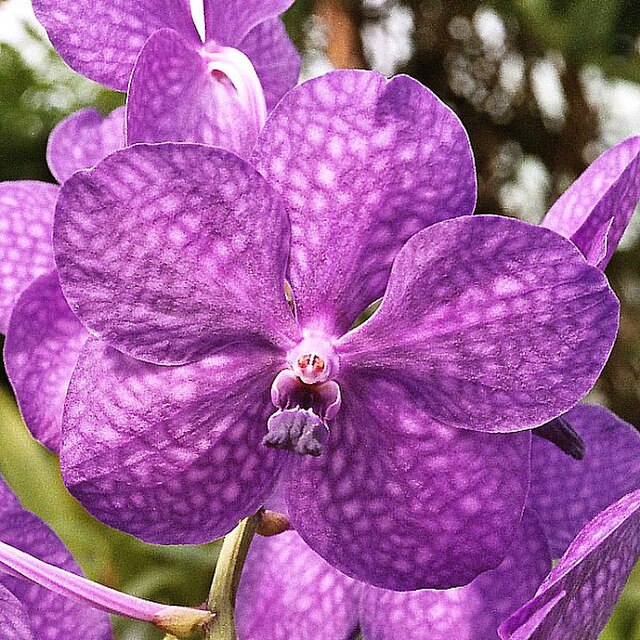
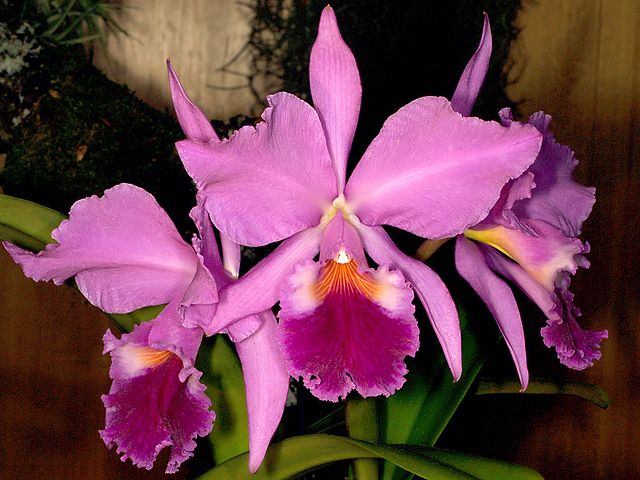
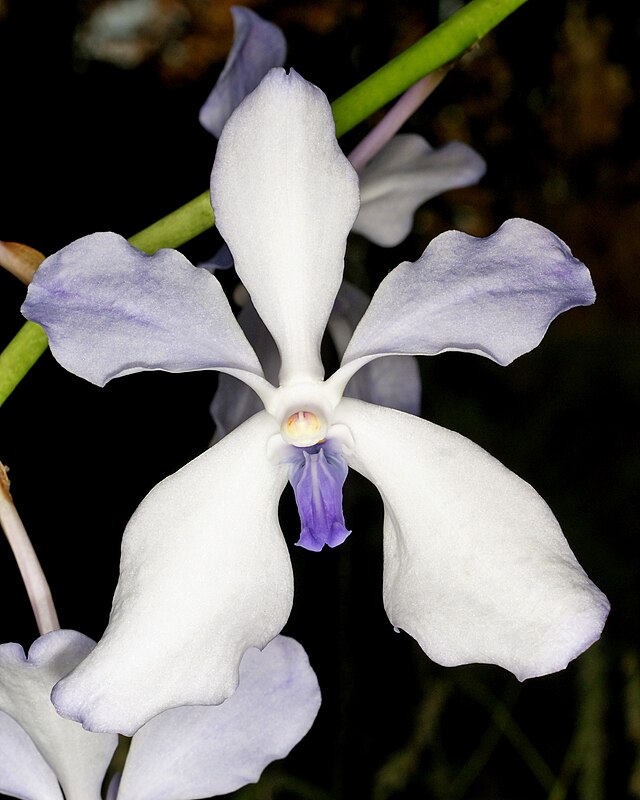
Vandas are dramatic "king of orchids" ideal for hanging baskets. This guide covers Vanda cultivation and hanging basket techniques.
Vanda Characteristics
Monopodial Growth Single growing point. No pseudobulbs. Growth continues upward indefinitely.
Aerial Roots Abundant thick aerial roots that absorb moisture. Unique and attractive.
Light Demand Among most light-demanding orchids: 1500-3000 foot-candles. Bright light essential for blooming.
Light Requirements
South or west-facing bright light. Strong afternoon sun ideal. Leaf color indicator: healthy green (avoid too yellow). Light deficiency prevents blooming entirely.
Temperature
Warm Type (below 23°C minimum, tropical) Wanichai, falcata hybrids: 18-29°C daytime, 15-23°C nighttime.
Cool-tolerant Type (temperate) Some species tolerate 12-18°C nights in winter.
Most Vandas prefer warm year-round.
Watering - Critical!
Hanging Basket Advantage Roots exposed to air, excellent drainage. Daily or twice-daily watering needed (especially warm climates).
Watering Frequency Hot climate: Daily or twice daily Warm climate: Daily Temperate: Every other day Winter: 2-3 times weekly (cooling reduces need)
Water Quality Soft water preferred (distilled, rainwater). Hard tap water deposits on leaves.
Humidity
60-80% optimal. Mist regularly (morning best). Hanging baskets improve air flow.
Basket Selection
- Hardwood or cedar slat baskets ideal
- Wooden baskets allow root photography
- Wire baskets with moss lining alternative
- Ensure excellent drainage
Mounting on Cork or Wood
Alternative to baskets: mount on cork bark or tree fern. Creates natural appearance. Requires frequent misting (no water reservoir).
Fertilization
Weekly fertilization during growth. High nitrogen (NPK 30-10-10) during active growth. Reduce winter. Foliar feeding beneficial.
Root Management
Aerial roots naturally escape baskets. Train roots or let them naturalize. Dead roots can be trimmed; live green roots support plant.
Blooming Triggers
- 15+ mature leaves
- 12+ months growth between bloomings
- Adequate light
- Slight cooling/drier winter period
Propagation
Division when plant becomes large with multiple growth areas. Keiki formation (side shoots) on older stems.
Vandas reward bright positions with spectacular blooms.