[Pro Tips] Techniques for Making Orchids Bloom Twice | Flower Bud Management Methods
Professional techniques for making phalaenopsis and dendrobium orchids bloom twice. Explaining temperature differences, fertilization, and pruning.
![[Pro Tips] Techniques for Making Orchids Bloom Twice | Flower Bud Management Methods](https://img.botachoku.com/column-images/orchid-encyclopedia/hero-1778968958816.jpg)
Key Takeaways
Professional techniques for making phalaenopsis and dendrobium orchids bloom twice. Explaining temperature differences, fertilization, and pruning.
Related Species
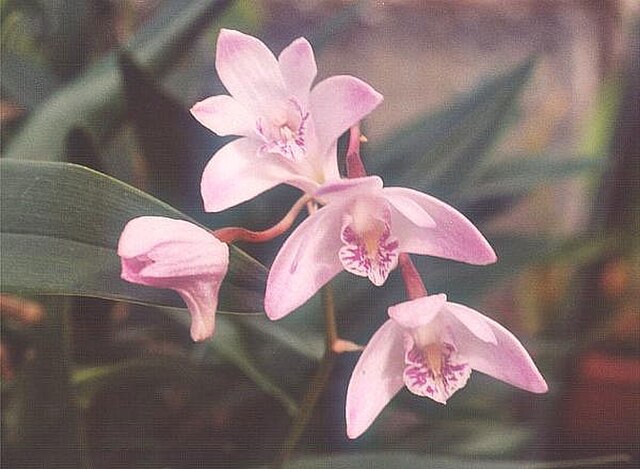
Many people who receive a phalaenopsis orchid as a gift end up letting it wither once the flowers fall. In fact, with proper care, you can enjoy beautiful blooms year after year. This guide explains professional techniques for making popular orchids like phalaenopsis and dendrobium bloom twice, in an easy-to-understand way.
Post-Bloom Care: The First Step to Second Blooming
When it comes to successfully achieving a second bloom on orchids, post-bloom care is the most critical factor. How well you handle this stage will greatly affect whether your orchid blooms next year.
How to Cut the Flower Stem
For phalaenopsis orchids, the key is deciding where to cut the flower stem after all blooms have fallen. While you can cut it completely at the base, cutting about 1 cm above the 3rd to 4th node from the bottom can encourage new flower buds to emerge from the remaining nodes. This phenomenon is called "lateral node blooming," and if successful, you can enjoy flowers again in a relatively short time.
However, lateral node blooming puts significant stress on the plant, so if the plant is weak, cutting near the base to give it a rest is also a valid option.
Protecting the Cut
After cutting, apply a thin layer of fungicide (such as Topsin M paste) to prevent bacterial infection at the cut site. In a dry indoor environment, natural air drying may be sufficient, but in humid conditions, it's especially recommended to apply the treatment carefully.
The Secret to Temperature Management for Phalaenopsis Bloom Next Year
For phalaenopsis to form flower buds, cold temperature stimulus (flower bud initiation) is essential. If you keep the plant in a warm room year-round without knowing this, it will never bloom no matter how long you wait.
Autumn Cold Treatment: The Trigger for Blooming
From October to November, expose the phalaenopsis to a 15–18°C environment for 2–4 weeks to promote flower bud initiation. During this period, a temperature difference of at least 5°C between day and night is effective.
A practical method is to place the plant on a sunny windowsill during the day and move it to a cooler hallway or entryway at night—this is convenient and effective. However, avoid extremely cold temperatures below 10°C, as they damage the plant. Be sure to maintain a minimum temperature of 13°C or above.
Return to Indoor Management Once Flower Buds Appear
Once you can see small buds (flower buds) near the base of the flower stem, the cold treatment is complete. Then move the plant back to a bright room at 20–25°C and continue normal care. From bud emergence to blooming typically takes about 2–3 months.
Daily Care for Phalaenopsis: Balancing Water, Fertilizer, and Light
To achieve a second bloom, consistent daily care is essential. Improper care will weaken the plant, making it difficult to bloom no matter how well you manage the temperature.
Watering Basics
The golden rule for phalaenopsis is "let it dry before watering." Give it a thorough watering only after the growing medium (sphagnum moss, bark, etc.) is completely dry. A general guideline is once or twice a week in summer, and once a week or less in winter. Root rot is the leading cause of phalaenopsis death, so be careful to avoid overwatering.
Leaving water sitting in the saucer will damage the roots. Make it a habit to always empty the saucer after watering.
How to Fertilize
- Post-bloom to fall (May–October): Apply diluted liquid fertilizer about twice monthly. Foliage plant fertilizer can be used as a substitute.
- Winter (November–February): No fertilizer. This is the plant's rest period.
- Spring (March–April): Resume fertilizing once flower buds start to elongate. However, avoid strong fertilizer.
Overfertilizing can damage the roots. Aim for a slightly lighter hand with fertilization.
Light Placement
Phalaenopsis dislikes strong, direct sunlight. Yellowing or scorched leaves indicate too much light. Soft, filtered light through sheer curtains is ideal, and east-facing or north-facing windows are best. In winter, when light levels drop, place the plant in the brightest location possible.
Dendrobium Second Blooming: The Key Is Thorough Cold Treatment
Dendrobium requires even stronger cold stimulus than phalaenopsis. With proper care, it will produce vibrant blooms every spring.
Autumn to Winter Cold Treatment
From October onward, as temperatures drop, expose the plant to a 5–10°C environment for 6–8 weeks. As long as it's protected from frost, outdoor management is the easiest and most effective. Place it in a sheltered spot like under an eave or entryway where it won't be directly exposed to rain.
The key during this period is to minimize watering to the absolute minimum. Watering about once a month, just enough to keep the roots from completely drying out, is sufficient. No fertilizer is needed.
"Aerial Shoots" Signal Insufficient Cold Treatment
A common issue with dendrobium management is the appearance of "aerial shoots." This occurs when plantlets develop where flowers should bloom, which is a sign of insufficient cold treatment.
If aerial shoots appear, don't panic. Once they're somewhat developed, you can cut them off and propagate them through cuttings (division). Next year, make sure to expose the plant to adequate cold for successful blooming.
Resuming Care in Spring
From late February to March, as temperatures rise, bring the plant indoors and resume watering and fertilization. When buds begin to swell at the nodes, it's a sign of imminent blooming. Be careful of sudden temperature changes during this period and manage the plant gently.
Summary: Enjoying Orchids for the Long Term
Second blooming in orchids is achieved only when three elements come together: "cold treatment," "proper post-bloom pruning," and "correct watering and light management." While it might seem complicated, once you master the technique, you'll look forward to blooms every year.
| Key Point | Phalaenopsis | Dendrobium |
|---|---|---|
| Cold treatment temperature | 15–18°C | 5–10°C |
| Cold treatment duration | 2–4 weeks | 6–8 weeks |
| Winter watering | Once weekly or less | About once monthly |
| Winter fertilizer | Not needed | Not needed |
Orchids respond clearly to proper care, and the sense of accomplishment when they bloom is unmatched. This year, try to get that gifted phalaenopsis to bloom again next year.
At GrowerDirect, you can purchase such orchids directly from growers. Starting with a healthy plant is the quickest path to successful second blooming. If there's a variety that interests you, be sure to check it out.