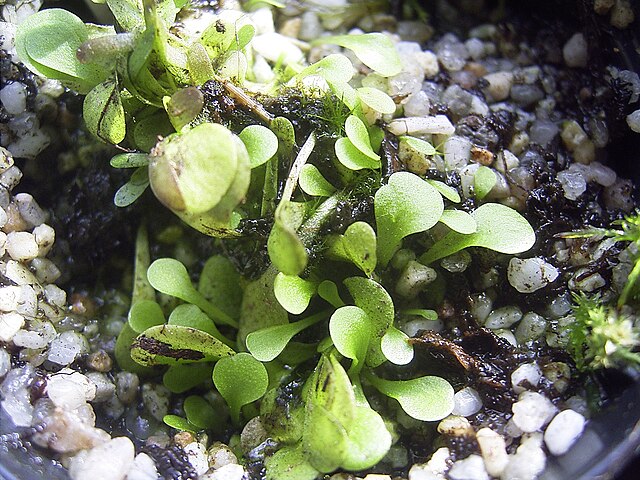
Source: Wikimedia Commons
Genlisea Violacea
AdvancedGenlisea violacea
A South American carnivorous plant with underground spiral Y-shaped traps that capture microorganisms and protozoa.
About
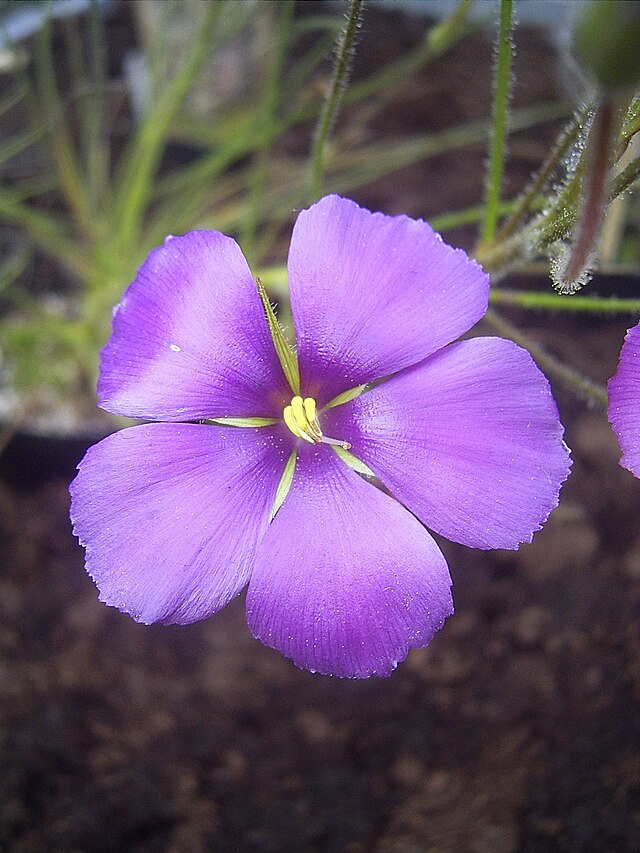
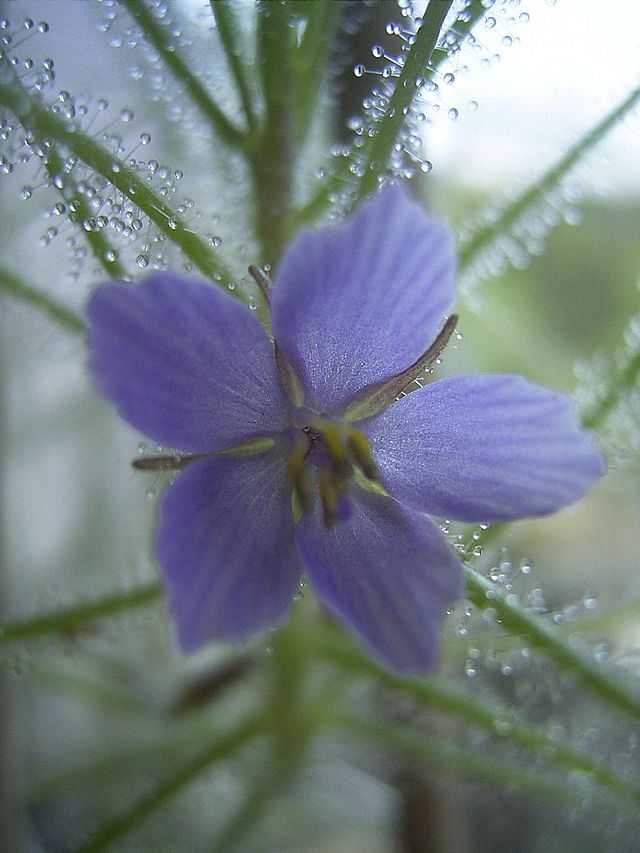
Genlisea violacea is a representative species of the genus, native to tropical and subtropical wetlands and moist rock faces in Brazil (particularly Minas Gerais state) and neighboring countries. Its species name reflects its attractive violet to purple flowers—among the most ornamental in the genus—produced on slender scapes above tiny spatulate leaves. Like all Genlisea, the real botanical interest lies underground: highly modified leaves form hollow, Y-shaped corkscrew tubes lined with inward-pointing hairs that funnel protozoans and nematodes to digestive glands in a one-way trap. Its small, compact size makes it suitable for terrarium culture.
Lifespan of the Genlisea Violacea
The Genlisea Violacea lives 3-5 years.
Size of the Genlisea Violacea
The Genlisea Violacea grows to 5-15cm.
Temperature & humidity for the Genlisea Violacea
The ideal temperature for the Genlisea Violacea is 20〜30℃.
Cultivation requires consistently moist, acidic sphagnum or peat-perlite media, tray watering with pure or rainwater, warm temperatures (20–30°C), and bright indirect light.
Basic Info
Origin
Brazil (particularly Minas Gerais) and neighboring countries, tropical to subtropical wetlands and moist rocky outcrops
Lifespan
3-5 years
Size
5-15cm
Temperature
20〜30℃
Humidity
60〜90%
Watering & Fertilizer
Insects (auto-capture)
Growing Tips
Light & Placement
It prefers bright indirect light to weak direct sun. Small and compact, it is also well suited to terrarium culture.
Watering
Keep it constantly wet with tray watering, using purified water or rainwater. Never letting it dry out is the most important point.
Temperature & Overwintering
It prefers warm, humid conditions at 20-30°C. Keep it warm indoors in winter and avoid low temperatures.
Soil & Repotting
Plant in moist sphagnum alone or a peat-based mix with perlite. When repotting, take care not to damage the underground traps.
Fertilizer
Its underground Y-shaped traps feed on tiny soil organisms such as protozoa and nematodes. No fertilizer is needed.
Genlisea Violacea FAQ
QWhat is the growing difficulty level for Genlisea Violacea?
Advanced. A variety suitable for advanced growers. Requires advanced cultivation techniques and specialized equipment, with careful environmental adjustments needed.
QWhat is the ideal temperature for Genlisea Violacea?
The ideal temperature for Genlisea Violacea is 20〜30℃. Avoid sudden temperature changes and maintain a stable environment.
QWhat is the lifespan of Genlisea Violacea?
The average lifespan of Genlisea Violacea is 3-5 years. With proper cultivation environment and nutrient management, you can keep it healthy for a long time.
QHow large does Genlisea Violacea get?
The mature size of Genlisea Violacea is 5-15cm. This may vary slightly depending on cultivation environment and individual differences.
QHow should I water and fertilize Genlisea Violacea?
Genlisea Violacea: watering & fertilizer — Insects (auto-capture). Aim for appropriate frequency and amount.
QWhat is the typical price for Genlisea Violacea?
The price of Genlisea Violacea varies significantly by variety, characteristics, size, and lineage. Please check GrowerDirect's price guide for the latest market information.
Last updated: September 17, 2026
References & Sources
Edited & verified by: GrowerDirect Editorial Team
The classifications, regulations, and growing data on this page are created and verified based on the primary information database below.
Taxonomy & Authority
Accepted name: Genlisea violacea A.St.-Hil.
Synonyms: Utricularia glandulosa Weber ex Benj., Genlisea biloba Benj., Genlisea reflexa Benj., Genlisea cylindrica Sylvén
Authority databases: GBIF · POWO · ICPS cultivar registration (International Carnivorous Plant Society)
Nomenclature follows global taxonomic authority databases.
Regulations & Conservation Status
This genus is not listed in CITES Appendices (among carnivorous plants, only Nepenthes/Sarracenia/Dionaea are subject to CITES).
Sources: CITES Appendices (carnivorous plants) - ICPS/Barry Rice / CITES & Carnivorous Plant Checklist (RBG Kew)
Regulations may change. Always verify the latest information with the relevant authorities.
Related Species
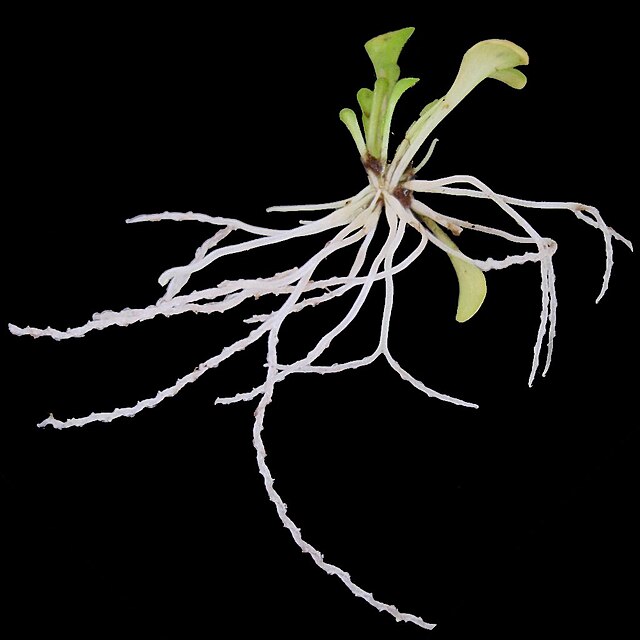
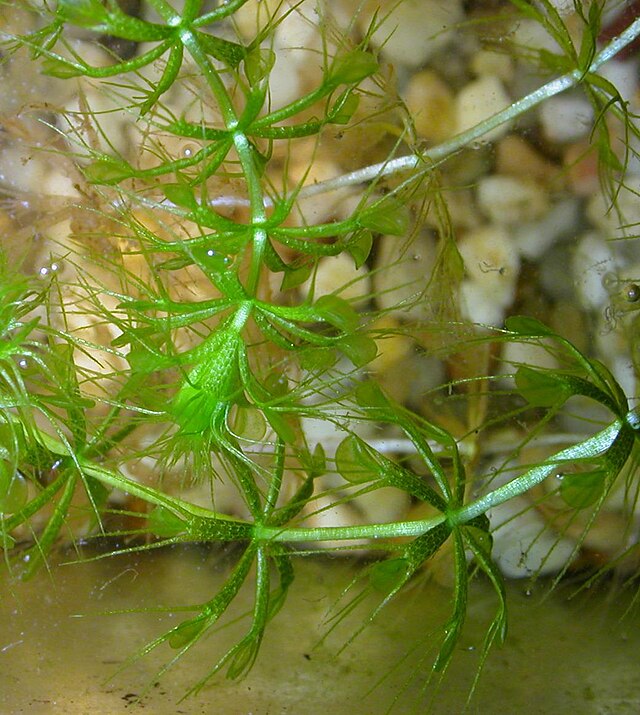
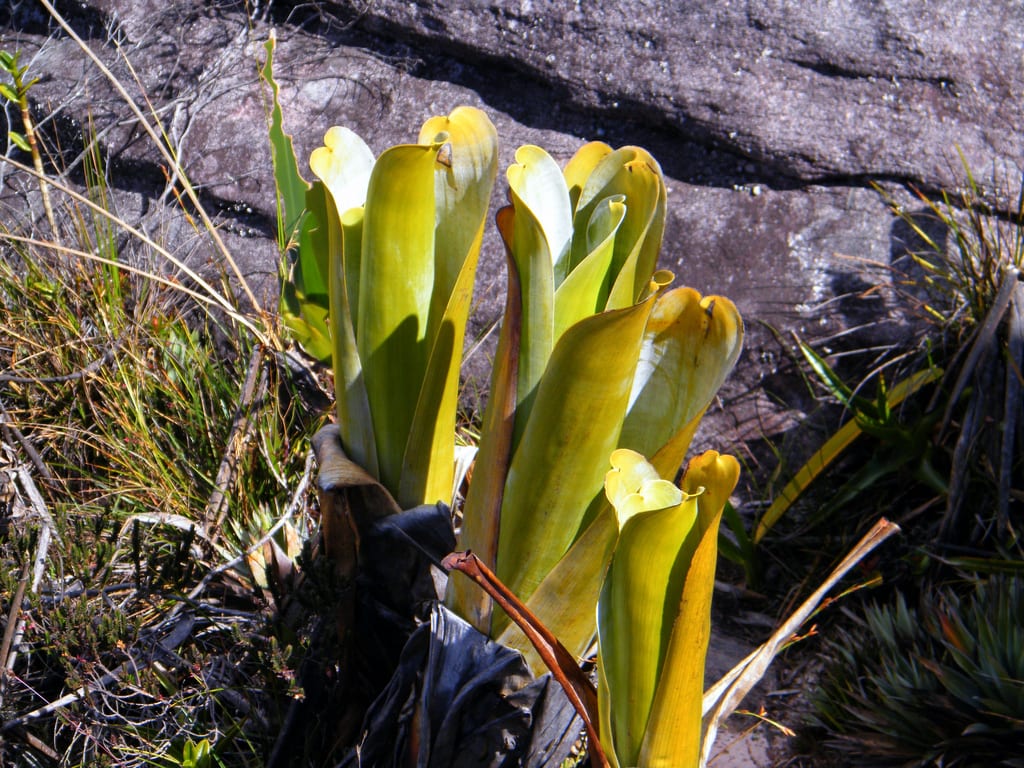
Find listings for this species
Related Articles
Rare Carnivorous Plants Guide | How to Grow Genlisea, Byblis, and Drosera
Detailed explanation of the characteristics and cultivation methods of rare carnivorous plants: Genlisea, Byblis, and Drosera. We introduce the insect-trapping mechanisms, cultivation conditions, and how to obtain them.
Guide to Caring for Rare Carnivorous Plants | Care of Heliamphora, Genlisea, Byblis, and Roridula
This article provides detailed explanations of the capture mechanisms, required cultivation environments, and management methods for rare carnivorous plants (Heliamphora, Genlisea, Byblis, and Roridula) that attract collectors' attention. A complete cultivation guide for these advanced-level rare genera.
Genlisea violacea Cultivation Guide | Growing Carnivorous Plants with Underground Traps
A detailed guide to cultivating Genlisea violacea (Genlisea genus). Covers the mechanism of its unique underground spiral trap, proper substrate selection, watering, light and temperature conditions, and breeding methods—a complete growing guide for this rare carnivorous plant.
Carnivorous Plant Dormancy Awakening Guide | Correct Timing for Resuming Feeding, Fertilizing, and Watering
A step-by-step guide to the correct timing for resuming watering, restoring humidity, feeding, and fertilizing as your carnivorous plants emerge from dormancy and enter spring growth.
Can't find the plant you're looking for?
Post your wishes for free and growers with matching plants will contact you with introductions.