Genlisea violacea Cultivation Guide | Growing Carnivorous Plants with Underground Traps
A detailed guide to cultivating Genlisea violacea (Genlisea genus). Covers the mechanism of its unique underground spiral trap, proper substrate selection, watering, light and temperature conditions, and breeding methods—a complete growing guide for this rare carnivorous plant.
Key Takeaways
A detailed guide to cultivating Genlisea violacea (Genlisea genus). Covers the mechanism of its unique underground spiral trap, proper substrate selection, watering, light and temperature conditions, and breeding methods—a complete growing guide for this rare carnivorous plant.
Related Species
Genlisea Genus Overview
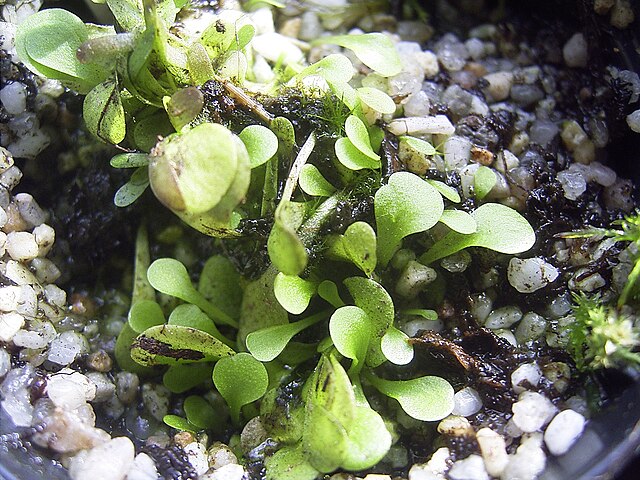
Genlisea is a genus of carnivorous plants in the Lentibulariaceae family, with approximately 30 species distributed across South America, Africa, and Madagascar. In English, it is also called the "corkscrew plant" and has received considerable attention from researchers due to its unique trap structure.
Genlisea violacea is a representative species native to Brazil and is one of the most readily available species among collectors. While several related Genlisea species are also in cultivation, G. violacea is most recommended for beginners due to its hardiness and ready availability.
Genlisea's Greatest Feature: Underground Spiral Trap
How the Trap Works
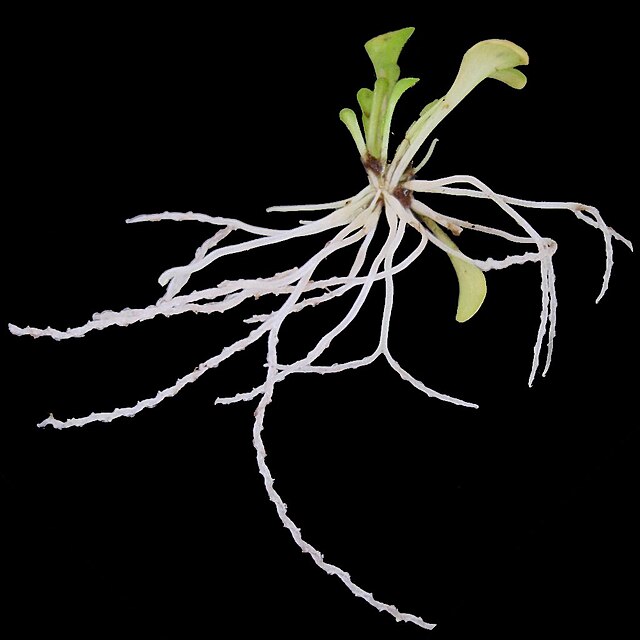
The most remarkable feature of Genlisea is its spiral-shaped carnivorous leaves (Y-shaped organs) formed underground. While the above-ground leaves perform normal photosynthesis, specialized trap organs extend beneath the soil.
The Y-shaped organs function as follows:
- The stem of the Y-shape is buried underground, while the two arms spiral outward.
- The inner walls of the arms are lined with inward-pointing hairs that trap small protozoa, nematodes, and tiny crustaceans, making escape impossible.
- Digestive enzymes are secreted internally to digest and absorb the prey.
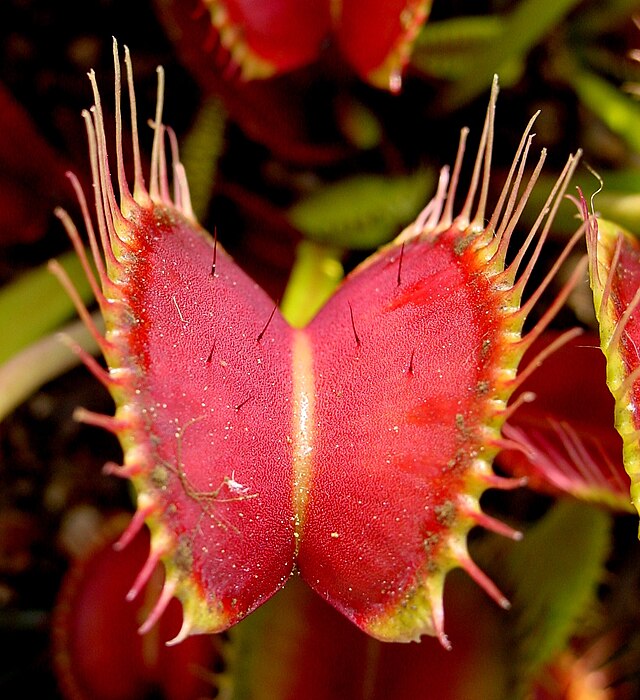
This spiral-maze trap mechanism, unlike the simple pitfall type, is remarkably unique among carnivorous plants. The fact that it has evolved completely differently from the leaf-closing motion of Venus flytraps or the pitfall traps of pitcher plants is part of what makes Genlisea beloved among enthusiasts.
What Does It Feed On?
The primary prey of G. violacea consists of microscopic soil organisms (protozoa, nematodes, and tiny crustaceans). It does not capture insects like flies or ants. Therefore, active feeding is not necessary; when planted in appropriate substrate, it naturally obtains microorganisms.
Basic Growing Conditions
Light Requirements
- Recommended: Bright indirect light to direct sunlight (avoid intense midday sun in summer)
- Indoor cultivation: Full-spectrum LED lighting for 12–14 hours daily
- Minimum light level: 2,000–3,000 lux or higher (below this causes leggy growth and decline)
G. violacea has higher light requirements compared to other Genlisea species. Insufficient light causes thin, elongated foliage.
Temperature
| Condition | Temperature Range |
|---|---|
| Ideal growing temperature | 18–28°C |
| Heat tolerance limit | 32°C (temporarily) |
| Cold tolerance limit | 10°C (dormant state) |
| Recommended winter temperature | 15°C or higher |
As a tropical species, heating is necessary during Japan's harsh winters. Management in a greenhouse or heated terrarium is recommended. As of 2026, compact Peltier-based heating and cooling units have become widely available for home use, making seasonal temperature control more accessible.
Substrate Selection
Genlisea prefers nutrient-poor, acidic substrates. Standard potting soil or leaf mold should not be used as the excess nutrients will cause the plant to die.
Recommended Substrate
| Substrate | Ratio | Purpose |
|---|---|---|
| Sphagnum moss | 100% or 50% | Moderate moisture retention, aeration, and slight acidity |
| Peat moss | 50–70% | Maintains acidity and water retention |
| Perlite | 20–30% | Improves aeration |
| Sand (silica sand) | 10–20% | Enhances drainage |
Never use: Standard potting soil, leaf mold, compost, or lime-based materials
pH Management
The ideal soil pH is 4.5–5.5. Continued use of tap water (pH ~7) will raise soil pH and hinder growth. Rainwater, distilled water, or reverse osmosis water is strongly recommended.
Watering
Tray Watering Method
G. violacea uses the tray watering method as its primary irrigation.
- Keep 2–3 cm of water in the tray (saucer) at all times.
- Use pure water, rainwater, distilled water, or reverse osmosis water (tap water is prohibited).
- In summer, when water temperature rises, evaporation increases; refill the tray more frequently.
Desiccation Warning
Genlisea is extremely sensitive to drying out. If the substrate dries completely, the plant will die within a short time. If you will be away for several days due to travel, either fill the tray with extra water or ask someone you trust to manage the plant.
Propagation
Leaf Propagation
G. violacea propagates relatively easily via leaf propagation.
- Remove a healthy, mature leaf close to the stem.
- Place it on the surface of moist sphagnum moss or substrate (do not bury).
- Maintain in a high-humidity environment (sealed container or plastic cover).
- Small plantlets emerge from the leaf base in 2–4 weeks.
- Pot up independently once sufficiently grown.
Division
Mature plants that develop multiple rosettes can also be divided. Carefully separate without damaging roots and repot each division in fresh substrate. Placing new plants in separate terrarium sections prevents competition for growing space.
Terrarium Cultivation
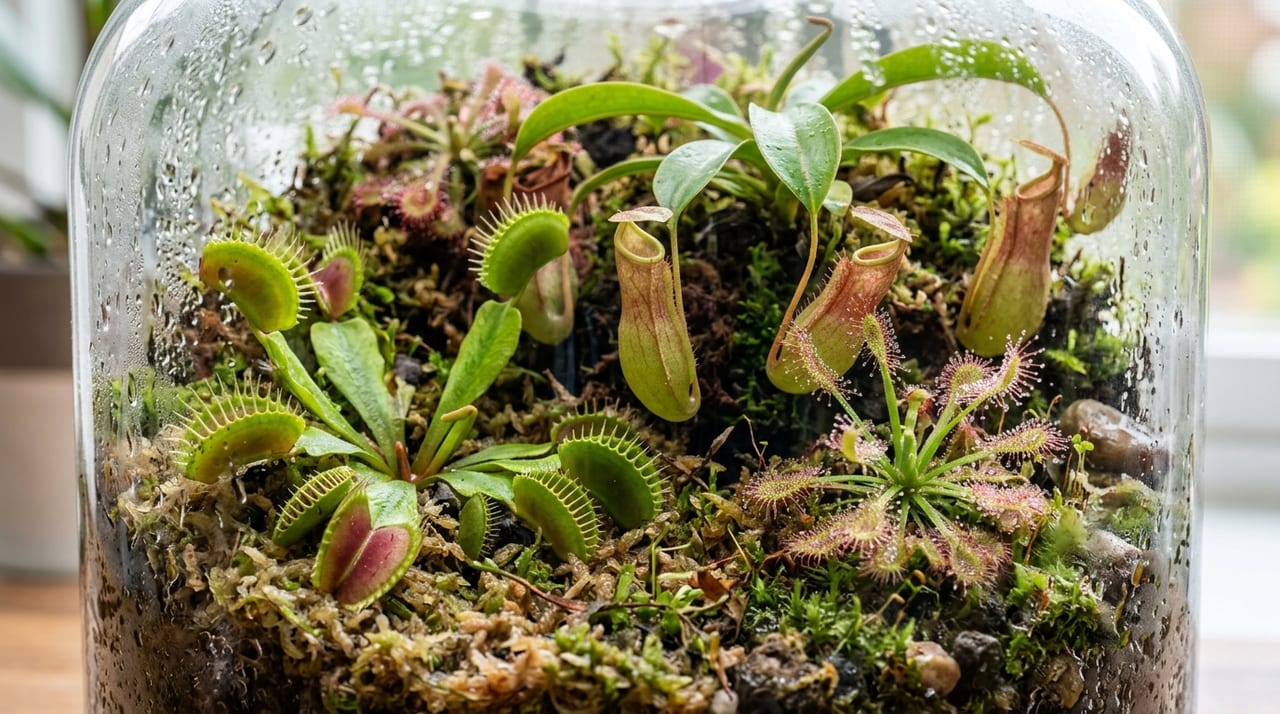
G. violacea is well-suited to terrarium (closed-container) cultivation.
Advantages of Terrarium Growing
- Automatically maintains high humidity.
- Minimizes temperature fluctuations.
- Facilitates close observation of the delicate plant.
Recommended Terrarium Setup
- Container: Glass sealed container (aquatic/terrestrial tank, glass jar, etc.)
- Lighting: LED light mounted to the lid (10–12 hours daily)
- Drainage layer: Zeolite or volcanic rock.
- Substrate layer: Peat moss and sphagnum moss mix (5–8 cm)
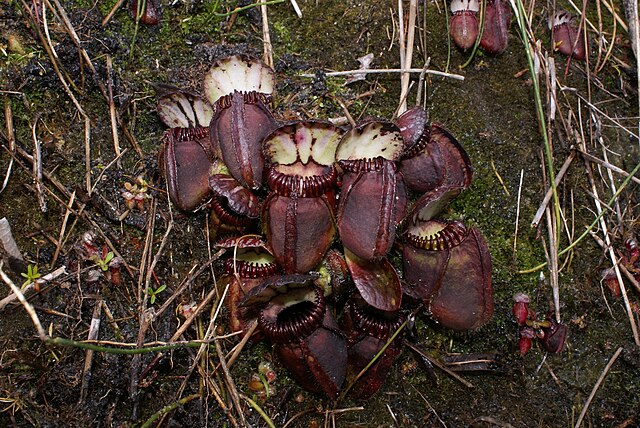
While some growers co-cultivate other small carnivorous plants like Cephalotus follicularis in the same terrarium, their water and light requirements differ; for beginners, single-species cultivation is recommended.
Common Problems and Troubleshooting
Yellowing or Dying Leaves
→ Most commonly caused by pH rise and mineral accumulation from tap water use. Switch to pure water and either rinse the substrate or repot.
Stunted Growth
→ Usually due to insufficient light or CO2 (in closed terrariums). Review lighting duration and intensity.
Rotting or Collapsing
→ Caused by overwatering or excessive heat/humidity. Improve air circulation and move to a cooler location in summer.
Green Algae or Moss on Substrate Surface
→ Indicates light is too intense. Reduce light or remove the algae/moss. While not directly harmful to the plant, appearance suffers.
Summary
Genlisea violacea is a rare carnivorous plant with a unique underground spiral trap that is relatively easy to cultivate with proper care. The key to long-term cultivation is maintaining three factors: acidic, nutrient-poor substrate, tray watering with pure water, and adequate light.
Genlisea violacea, with its mysterious trapping mechanism distinct from Venus flytraps or pitcher plants, is a fascinating addition that brings unique character to any carnivorous plant collection. Once you master the basics, you can maintain the plant long-term and enjoy expanding your collection through propagation.