Rare Carnivorous Plants Guide | How to Grow Genlisea, Byblis, and Drosera
Detailed explanation of the characteristics and cultivation methods of rare carnivorous plants: Genlisea, Byblis, and Drosera. We introduce the insect-trapping mechanisms, cultivation conditions, and how to obtain them.
Key Takeaways
Detailed explanation of the characteristics and cultivation methods of rare carnivorous plants: Genlisea, Byblis, and Drosera. We introduce the insect-trapping mechanisms, cultivation conditions, and how to obtain them.
Related Species
Diversity of Carnivorous Plants and the Appeal of Rare Species
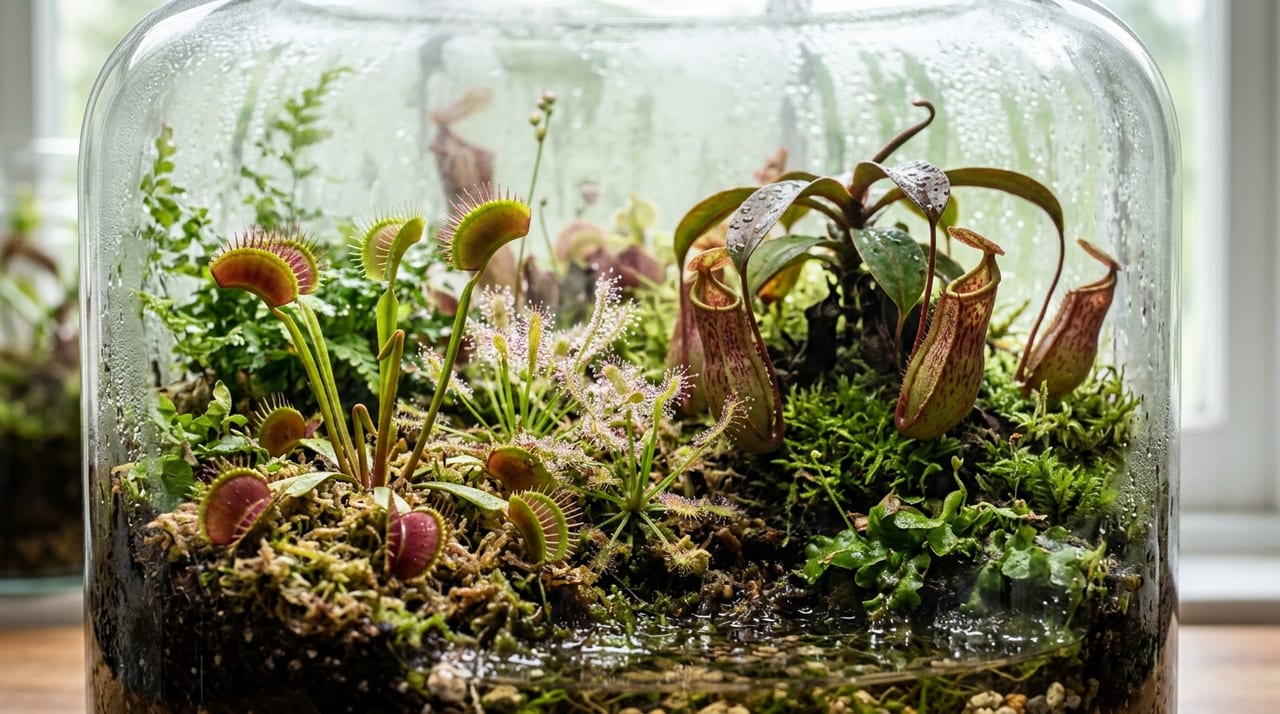
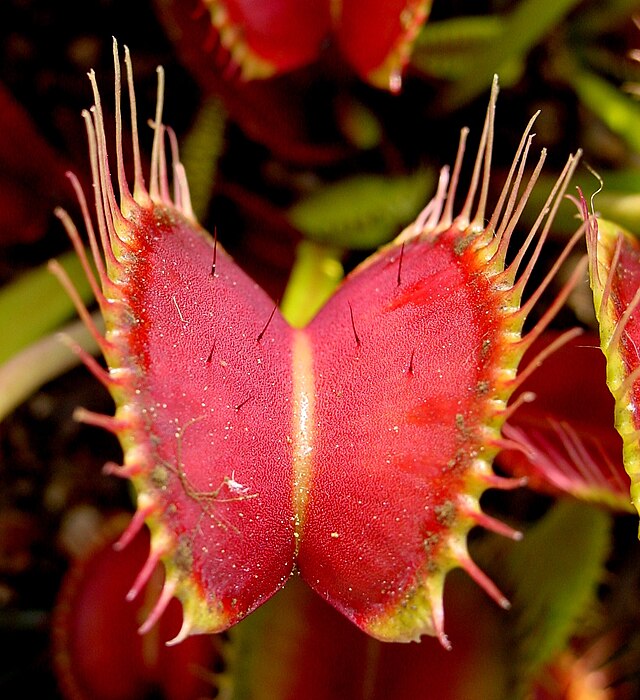
While Venus Flytraps and Nepenthes (Pitcher Plants) are the most famous carnivorous plants, there are actually around 800 species of carnivorous plants in the world. Among them, attention has recently increased toward "rare species" that have limited availability and require unique cultivation knowledge.
In this article, we will explain in detail how to grow Genlisea, Byblis, and Drosera (Sundew) — which are particularly sought after in Japan — and their cultivation appeal.
Genlisea | The Mysterious Plant That Traps Prey Underground
Overview
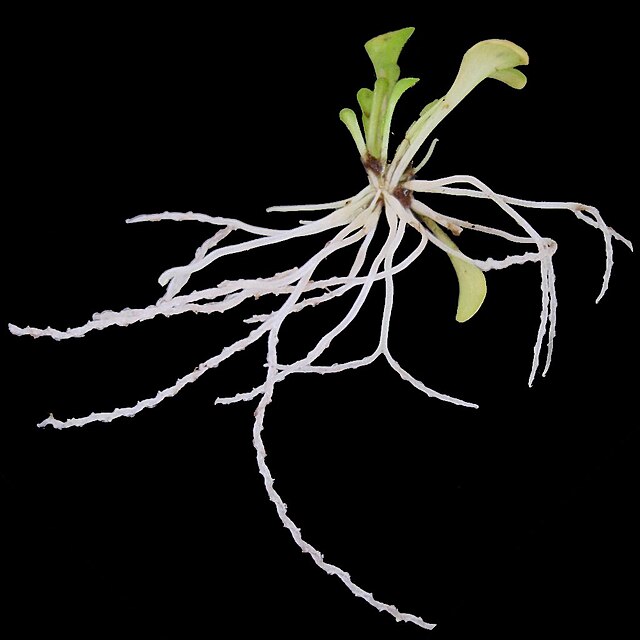
Genlisea, belonging to the Lentibulariaceae family, is an extremely unique carnivorous plant with a simple appearance above ground featuring small yellow flowers and rosette-shaped leaves, yet possesses unique "lobster traps" (spiral-shaped insect-trapping organs) underground.
Genlisea's insect-trapping mechanism is not a "pitfall trap" but a "maze trap" that lures and captures protozoa and nematodes in the soil. Because the trap is stationary and underground, it is also called "one of the most mysterious carnivorous plants."
Representative Species
| Species | Origin | Characteristics |
|---|---|---|
| Genlisea violacea | Brazil | Most common species. Adorable purple small flowers |
| Genlisea aurea | Brazil | Yellow flowers. Relatively large rosettes |
| Genlisea hispidula | Africa | Rare African species |
| Genlisea margaretae | Africa | Giant species. Large leaves |
Cultivation Method
Difficulty Level: ★★★★☆ (Somewhat challenging)
Required Environment:
- Soil: Mix peat moss and sand 1:1. Recreate well-draining wetland soil.
- Watering: Tray watering (keep the pot constantly in shallow water)
- Light: Prefers strong light. Ideally 6+ hours of direct sunlight daily
- Temperature: 20–30°C is ideal. Growth stops below 15°C
- Fertilizer: Not needed (fertilizer causes root rot and plant death)
Important Notes:
- Do not use tap water. Use rainwater, distilled water, or RO water.
- Watch for water temperature rise in tray watering under intense summer sun.
Byblis | The Rainbow Plant That Traps Insects with Sticky Filament Leaves
Overview
The Byblis genus (Byblidaceae family) is a unique carnivorous plant with 7 species distributed in Australia and West Papua New Guinea. Its leaves have numerous glandular hairs densely packed on the surface and edges, using "sticky-trap" predation to capture insects with mucilage.
True to its affectionate name "Rainbow Plant," when light hits it, the mucilage on the glandular hairs shines in rainbow colors.
Representative Species
| Species | Characteristics | Difficulty |
|---|---|---|
| Byblis liniflora | Annual. Easy to grow from seed | ★★☆ |
| Byblis gigantea | Large species. Grows as a semi-woody shrub | ★★★★ |
| Byblis aquatica | Grows in wetlands. Requires tray watering | ★★★ |
| Byblis lamellata | Beautiful flowers. Endemic to Western Australia | ★★★★ |
Cultivation Method (Byblis liniflora)
Difficulty Level: ★★☆ (Relatively easy from seed)
Promoting Germination: Byblis seeds are difficult to germinate, and smoke treatment is effective.
- Warm water treatment: Soak in warm water at 40–50°C for 12–24 hours (temperatures of 80–90°C risk killing the embryo)
- Smoke water (Smokewater): Soak in a solution of wood smoke dissolved in water (gibberellin-like effect)
- Germination temperature: 25–30°C is ideal
Growth Environment:
- Soil: Peat moss:sand = 1:1
- Tray watering (shallow)
- Light: Prefers strong light
- It's an annual, so re-seed every year
Drosera (Sundew) | The World's Largest Carnivorous Plant Genus
Overview
The Drosera genus is the largest carnivorous plant genus, with over 250 species distributed worldwide. It secretes mucilage from glandular hairs on leaf tips and uses a "moving-sticky-trap" — when insects touch it, the hairs move to capture them.
We focus on rare species with particularly high search interest.
Temperate Sundew Species (Also native to Japan)
| Species | Origin | Characteristics |
|---|---|---|
| Drosera rotundifolia | Northern Hemisphere worldwide (including Japan) | Round leaves. Good beginner species |
| Drosera spatulata | East Asia and Australia | Compact and hardy. Good for beginners |
| Drosera anglica | Northern Hemisphere | Characterized by narrow, elongated leaves |
Tropical and Rare Species
| Species | Origin | Characteristics |
|---|---|---|
| Drosera regia | South Africa | 30–70 cm leaf length. One of the largest species |
| Drosera capensis | South Africa | Hardy species. Easy to propagate |
| Drosera prolifera | Australia, Queensland | Tropical species that produces many plantlets |
| Drosera schizandra | Australia | Saw-toothed leaves. Difficult to cultivate |
Tuberous Drosera
Popularity: ★★★★☆ (High among collectors)
Native to Western Australia, these have a unique life cycle where they grow in autumn and winter but dormant as tubers in summer.
- Drosera bulbosa: Clustered bulbous leaves. Beautiful flowers.
- Drosera whittakeri: Pure white flowers
- Drosera menziesii: Characterized by long stems
Key Cultivation Points for Tuberous Species:
- Stop watering completely in summer (dormancy period)
- Resume watering in fall (around September–October) to wake them
- Require well-draining soil and low humidity
Common Cultivation Tips for Carnivorous Plants
We summarize the important cultivation points common to the above three genera.
Soil
| Component | Role |
|---|---|
| Peat moss | Moisture retention, pH adjustment (recreates acidic soil) |
| Perlite and sand | Improves drainage |
| Sphagnum moss | Balances moisture retention and aeration |
Never use commercial potting soil or standard flower soil. Excess nutrients cause plant death.
Water
- Use only soft water: Do not use tap water; use filtered water, rainwater, distilled water, or RO water
- Tray watering: Keep constantly in shallow water
Fertilizer
Fertilizer is not needed (and is harmful): Carnivorous plants grow in nutrient-poor soil in nature, so fertilizer is counterproductive.
How to Obtain Rare Carnivorous Plants
Rare species are difficult to obtain at general garden shops and require specialized channels.
- Carnivorous plant specialty shops: Well-stocked online shops (domestic and international)
- Plant bazaars and exchange events: Held several times a year. Rare specimens are offered for sale
- Overseas websites: Imports require quarantine. Be careful—a phytosanitary certificate is required
- Domestic growers: Individual growers selling seedling stocks grown from seed are increasing
Summary
Genlisea, Byblis, and Drosera are fascinating carnivorous plants, each with unique insect-trapping mechanisms and ecology. While they require different and unique cultivation conditions from common Venus Flytraps and Nepenthes, this depth is what makes collecting them so rewarding.
The three key points common to all are: "nutrient-poor acidic soil," "tray watering with soft water," and "sufficient light." By following these, you can keep even rare species thriving for the long term.