跳转到主要内容
犹他龙舌兰

犹他龙舌兰

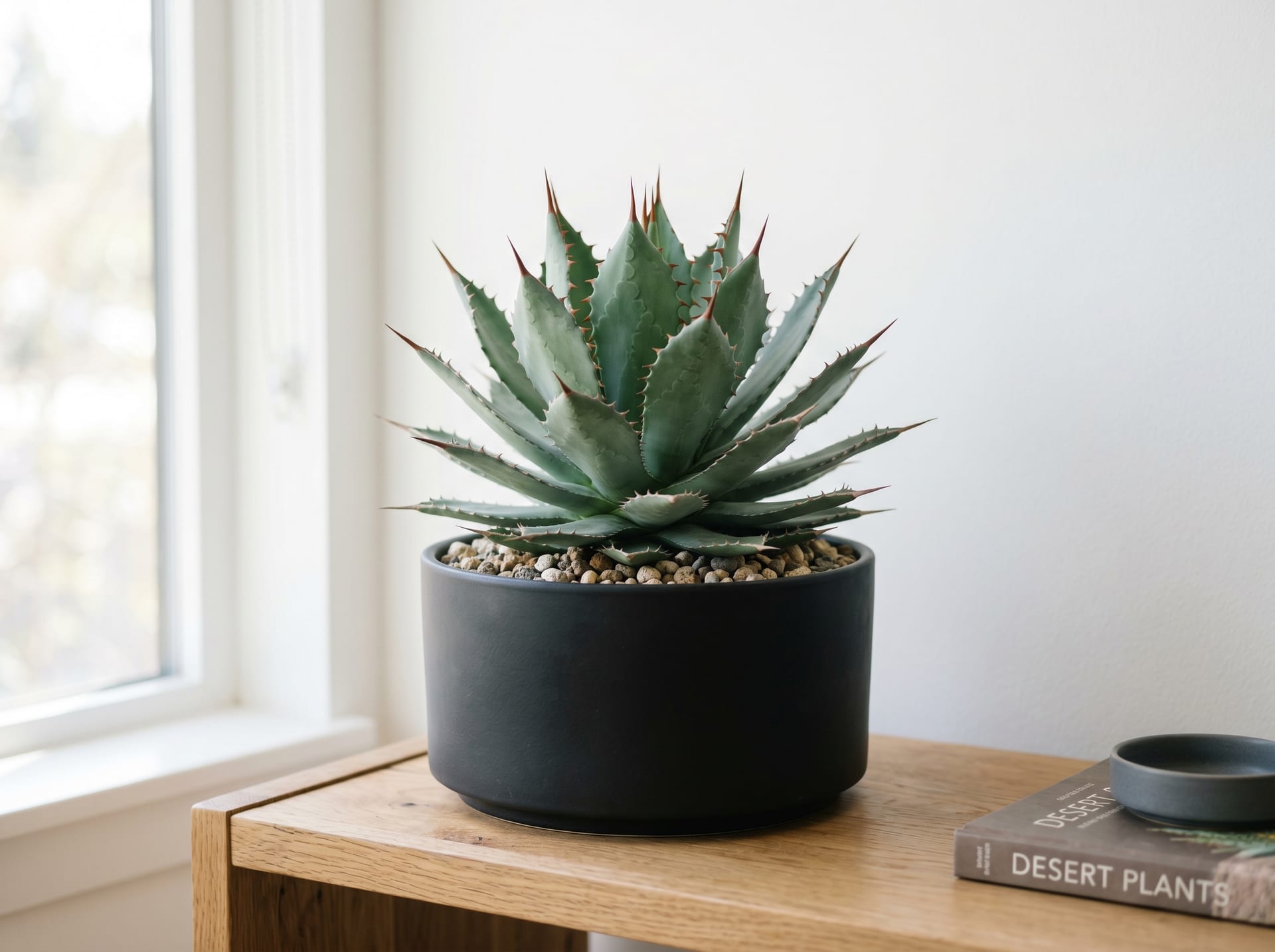
Agave utahensis is a small to medium-sized agave native to the desert regions of Utah and Arizona, prized for its blue-gray-green leaves and neat symmetrical rosette. Relatively compact among agaves, it is manageable in containers and popular with succulent enthusiasts. It handles drought and intense sun well while tolerating moderate cold, making it a versatile choice for outdoor cultivation in Japan.

价格范围
¥6,000〜¥6,000
限时活动

前3笔销售免佣金!在2026年8月31日前注册生产者账户 → 前3笔成交的手续费免费!

栽培者 招募中!

在BoTachoku上销售,直接面向全国客户销售吗?

免费注册无月费仅在成交时收取佣金
立即免费注册

ボタちょく的 6 项透明性承诺

在龙舌兰出品中,栽培者将明确显示以下信息。确保品种、产地、光照需求、栽培难度的透明性。

  • 品种明示
  • 实物照片
  • 色泽
  • 产地明示
  • 光照需求
  • 难度明示
0 items

没有符合条件的商品

请调整筛选条件,或在有新商品时接收通知。

「接收上架通知」需免费注册会员即可设置。当有符合您保存条件的新商品上架时,我们会通过邮件和站内通知提醒您。

查看其他分类

已注册的栽培者(抢先看)

想上架龙舌兰吗?

注册成为栽培者,即可与买家直接联系。

申请成为栽培者

关于犹他龙舌兰

Agave utahensis is a wild species native to limestone plateaus and rocky desert slopes from southern Utah to northern Arizona, growing at elevations between 600 and 2,400 meters. First described by the botanist Thurber in 1875, it is fittingly known as the "Utah agave." The leaves range from slate blue to gray-green, often with a powdery coating, and are armed with a firm terminal spine and delicate marginal teeth. Mature rosettes typically measure 30 to 60 centimeters in diameter, making this one of the more compact members of the genus. Its greatest appeal lies in the combination of rugged durability and refined geometric beauty. Hardened by harsh natural conditions, it brings genuine drought and cold tolerance to cultivation, thriving outdoors in Japan when drainage is adequate. Slow, steady growth keeps container management easy, and watching the rosette gradually expand over years is a quietly rewarding experience for patient growers.

犹他龙舌兰精选生产者

查看所有犹他龙舌兰生产者(1个)→

开始养护犹他龙舌兰前需要了解的6件事

  1. 1Full Sun Is Essential

    Agave utahensis develops its tightest, most attractive rosette when given direct sun year-round. Insufficient light causes etiolation and a loose, untidy form. A south- or west-facing outdoor spot with unobstructed sunlight is ideal.

  2. 2Water Sparingly

    Native to extremely arid habitats, utahensis is highly susceptible to root rot from overwatering. Water two to three times a month in the growing season (spring–autumn) and once a month or not at all in winter. Always let the soil dry out completely before watering again.

  3. 3Use Fast-Draining Soil

    Mix commercial cactus or succulent soil with 30–50% pumice or coarse sand to improve drainage. Unglazed terracotta pots or containers with multiple drainage holes help moisture escape from the root zone. A layer of coarse pumice at the bottom of the pot adds extra protection.

  4. 4Handle with Care—Spines Are Sharp

    The terminal spine at each leaf tip is extremely sharp and can cause serious puncture wounds. Leather gloves are strongly recommended when handling the plant. Consider placing it out of reach of children and pets, and wrap the leaves with tape or cloth when repotting or moving the plant.

  5. 5Monocarpic: Dies After Flowering

    Like all agaves, utahensis is monocarpic—it flowers once after decades of growth, then dies. This single blooming event is a spectacular sight. The plant often produces offsets (pups) before or after flowering, which can be separated and grown on to continue your collection.

  6. 6Expect Very Slow Growth

    Utahensis is one of the slower-growing agave species; reaching 30 cm in diameter can take many years. Excess fertilizer in an attempt to speed growth often leads to soft, weak tissue or root damage—limit feeding to diluted liquid fertilizer once or twice a year. Part of the appeal of this species is watching it develop slowly and steadily over time.

犹他龙舌兰的常见问题

Q.Is Agave utahensis suitable for beginners?
A.Agave utahensis is manageable for beginners as long as the key principle — avoiding overwatering — is followed. Well-draining soil and restraint with irrigation are the most important factors. Access to a sunny outdoor spot makes cultivation even more straightforward.
Q.Is it better in a pot or in the ground?
A.Both are viable, but container growing is generally easier in Japan's rainy climate because moisture can be controlled more precisely. For in-ground planting, heavy soil amendment with sand or pumice is essential, and a slope or covered location greatly improves success rates.
Q.How should I care for it in winter?
A.The plant tolerates cold reasonably well when kept dry, but Japan's humid winters increase the risk of root rot. Move it under eaves or another sheltered spot to prevent rain from reaching the soil, and limit watering to once a month or less. In regions with persistent hard frosts, a simple cold frame adds useful protection.
Q.How fast does Agave utahensis grow?
A.Growth is very slow — reaching a mature size can take anywhere from several years to over a decade. Under good conditions (ample light, appropriate temperature, proper watering), a few new leaves appear each year. Its slow pace also means less frequent repotting and overall low maintenance demands.
Q.Does it produce offsets readily?
A.Some individuals produce offsets freely while others rarely do — it varies by variety and growing conditions. When offsets appear, they can be removed at the base, allowed to dry for a day or two, then potted in fresh gritty mix. Seed propagation is also possible, though germination rates and early growth speeds can vary.

犹他龙舌兰种植的实用工具

同分类的更多品种