跳转到主要内容
辛尼吉亚(断崖女王)

辛尼吉亚(断崖女王)

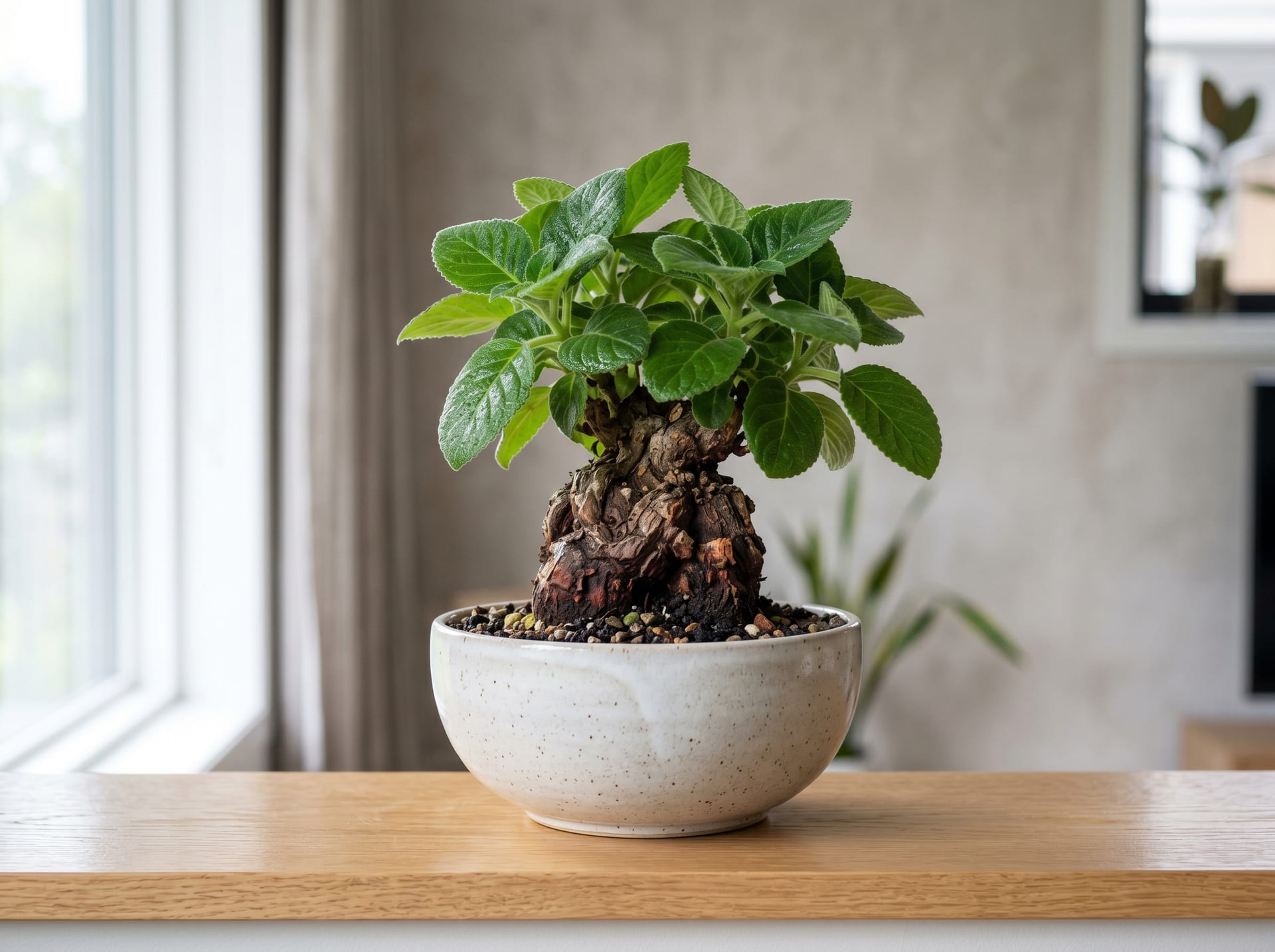
Sinningia leucotricha, known as "Queen of the Cliffs," is a caudex-forming plant native to the rocky escarpments of Brazil, celebrated for its deep crimson blooms and velvety silver-white leaves. Its fleshy tuber stores water and nutrients, making it highly drought-tolerant and approachable for beginners. With an understanding of its unusual winter-growing, summer-dormant cycle, growers can enjoy spectacular flowering year after year.

限时活动

前3笔销售免佣金!在2026年8月31日前注册生产者账户 → 前3笔成交的手续费免费!

栽培者 招募中!

在BoTachoku上销售,直接面向全国客户销售吗?

免费注册无月费仅在成交时收取佣金
立即免费注册

ボタちょく的 6 项透明性承诺

栽培者在块根植物上架时会明示以下信息。确保品种、产地、光照需求、栽培难度的透明性。

  • 品种明示
  • 实物照片
  • 色泽
  • 产地明示
  • 光照需求
  • 难度明示
0 items

没有符合条件的商品

请调整筛选条件,或在有新商品时接收通知。

「接收上架通知」需免费注册会员即可设置。当有符合您保存条件的新商品上架时,我们会通过邮件和站内通知提醒您。

查看其他分类

已注册的栽培者(抢先看)

想上架块根植物吗?

注册成为栽培者,即可与买家直接联系。

申请成为栽培者

关于辛尼吉亚(断崖女王)

Sinningia leucotricha, commonly called the "Queen of the Cliffs," is a caudex-forming gesneriad native to the steep rocky escarpments of Paraná state in Brazil. Its species name, leucotricha, means "white hair," a reference to the fine silver pubescence that coats its leaves and stems. In its natural habitat, pronounced wet and dry seasons have shaped a survival strategy in which the above-ground growth dies back while the swollen underground tuber stores reserves—giving rise to the plant's distinctive winter-growing, summer-dormant cycle in cultivation. Mature specimens develop rounded caudexes reaching 10–20 cm in diameter, crowned each season by striking deep-red trumpet-shaped flowers that create a breathtaking visual contrast with the silvery foliage. With adequate sunlight and fast-draining soil, this species is accessible to beginners while offering seasoned collectors a sculptural centerpiece that rewards patience with increasingly spectacular displays year after year.

开始养护辛尼吉亚(断崖女王)前需要了解的7件事

  1. 1Winter Grower, Summer Sleeper

    Sinningia leucotricha grows actively in winter through spring, then goes dormant in summer—opposite to most houseplants. Leaves dying back in summer is a normal sign that the caudex is resting, not dying. Reducing watering during dormancy is essential for success.

  2. 2Caudex Care and Repotting

    The swelling caudex is the centerpiece of this plant and grows more impressive each year. Repot in autumn to early winter, just before the growing season begins, handling roots gently. Choose a pot only slightly larger than the caudex to help prevent root rot.

  3. 3Water Sparingly by Nature

    Even during the growing season, allow the soil to dry out completely before watering. Excess moisture is the leading cause of caudex rot, so never leave water sitting in the saucer. In summer dormancy, withhold water almost entirely—once or twice a month at most.

  4. 4Loves Strong Direct Light

    Sinningia leucotricha thrives in strong, direct sunlight. Indoor growers need a south-facing windowsill or a dedicated grow light to keep growth compact and flowering reliable. Moving the plant outdoors to full sun during the growing season produces the best results.

  5. 5Flowering Depends on Caudex Size

    Seedlings typically take 2–4 years to bloom for the first time, as flowering requires a caudex of sufficient size. Purchasing a plant with a mature caudex already in place allows you to enjoy flowers much sooner. The main flowering season is winter through spring, often producing multiple stems with many blooms.

  6. 6Prioritize Fast-Draining Soil

    Mix commercial succulent soil with pumice, kanuma, or perlite so that 50–60% of the blend is inorganic material. Standard flower potting soil retains too much moisture and should always be amended. A fast-draining mix dramatically reduces the risk of caudex rot.

  7. 7Propagate by Seed or Division

    Sinningia leucotricha can self-pollinate, allowing growers to collect seed and raise seedlings. Seeds are extremely fine and are best germinated using the bottom-watering method. Caudex division is another option, but cut surfaces must be allowed to dry thoroughly before planting to prevent rot.

辛尼吉亚(断崖女王)的常见问题

Q.All the leaves died in summer—is the plant okay?
A.Leaf die-back in summer is completely normal for Sinningia leucotricha, which goes dormant in warm months. As long as the caudex feels firm and solid, the plant is alive and well—keep it in a cool, lightly shaded spot. New growth will emerge naturally in autumn or winter.
Q.How do I get it to flower?
A.The key factors are strong direct sunlight during the growing season and a proper dry rest in summer dormancy. Insufficient light or consistently moist soil discourages flower bud formation. Once the caudex reaches a good size, meeting these two conditions reliably triggers annual flowering.
Q.Can it be grown entirely indoors?
A.Indoor cultivation is possible, but only with a bright south-facing window or a full-spectrum grow light. Low-light conditions cause leggy growth and poor flowering. Moving the plant to a sunny outdoor spot during the growing season significantly improves plant vigor.
Q.Why is the caudex becoming soft?
A.A soft caudex usually indicates rot caused by overwatering or poor drainage. Inspect the affected area, cut away any rotted tissue with a clean knife, allow the wound to dry out completely, and repot in fresh, fast-draining mix. Mild cases can often be saved with prompt action.
Q.How many years from seed to first flower?
A.Seedlings typically take 2–4 years to produce their first flowers, as the caudex must reach a sufficient size before flowering occurs. Ideal growing conditions—strong light, good drainage, proper dormancy—can shorten this timeline. For those who want flowers sooner, purchasing an established plant with a mature caudex is the practical choice.

辛尼吉亚(断崖女王)种植的实用工具

同分类的更多品种