 © Piwaiwaka / CC BY-SA 4.0
赛洛欧喜林芋
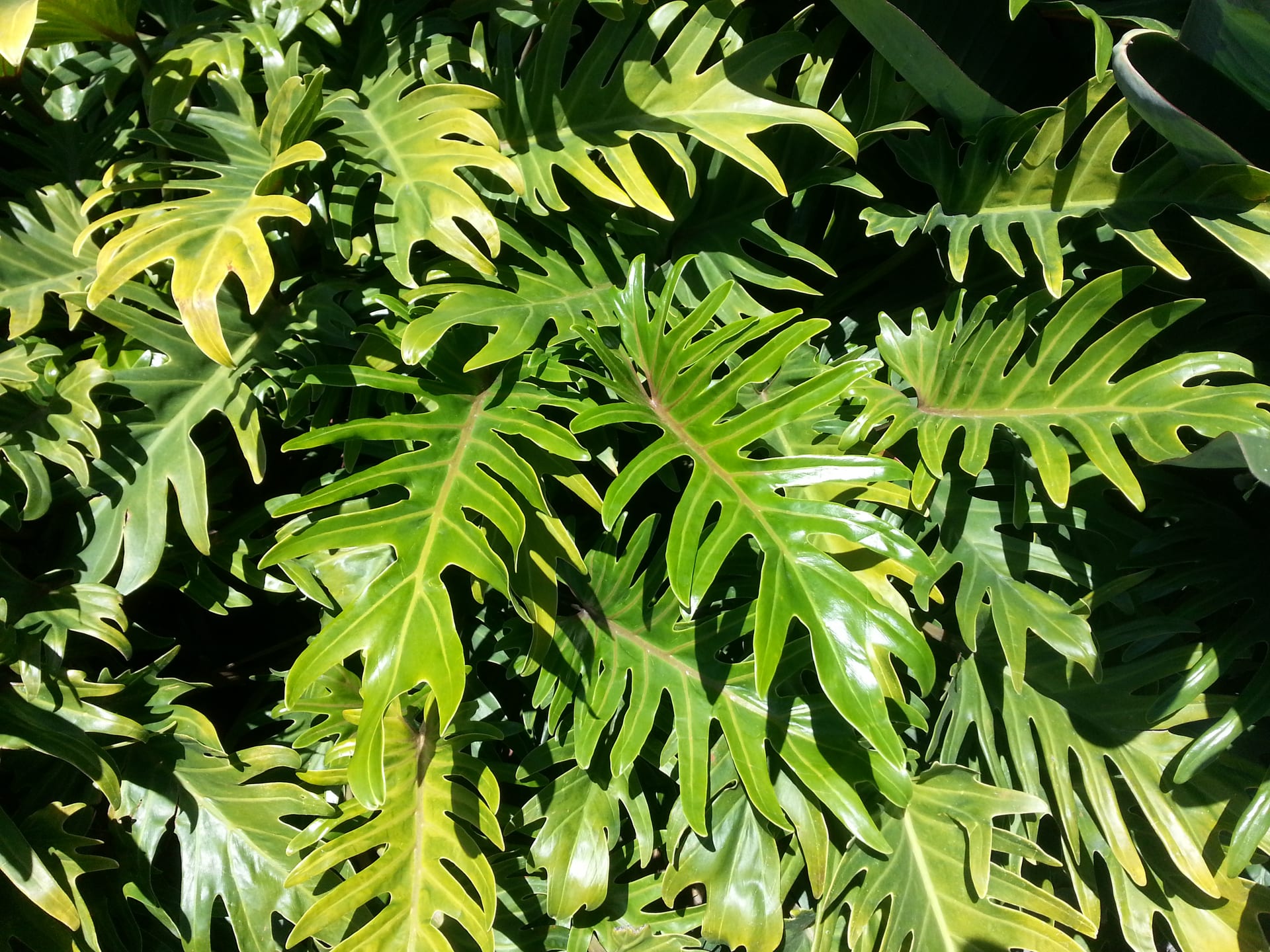
Kookaburra, better known as Philodendron 'Xanadu', is a medium-sized philodendron packed with glossy, deeply lobed leaves that emerge densely from a central crown, giving it a full, rounded shape rather than a climbing habit. It originated from a specimen found in an Australian nursery and was later described as a wild species. Because it stays bushy instead of vining, it fits neatly into a pot and is considered an easy, beginner-friendly houseplant. Mature plants typically reach 0.9 to 1.5 m in both height and spread, with individual leaves growing up to 40 cm long and 30 cm wide, making it a striking presence in any bright room.
View 赛洛欧喜林芋 encyclopedia →成交手续费0%!2026年9月30日前注册,前 2 株免佣金!
生产者 招募中!
在GrowerDirect上销售,直接面向全国客户销售吗?
GrowerDirect的 6 项透明性承诺
观叶植物出品中,生产者说明以下信息。确保品种、产地、光照需求、栽培难度的透明性。
- 品种说明
- 实物照片
- 色泽
- 产地说明
- 光照需求
- 难度说明
查看全部139个品种
已注册的生产者(抢先看)
赛洛欧喜林芋的基本数据
- 养护难度
- 适合新手
- 寿命
- 多年生草本
- 体型
- 高度和宽度均为0.9~1.5m。叶片长可达40cm、宽30cm
- 适宜温度
- 18〜24℃
- 浇水
- 生长期施用缓释肥料
- 光照和摆放位置
- 室内需要明亮的间接光照。室外在全日照至半阴环境下也能生长。
- 浇水
- 浇水过多会导致叶片变黄,应在表土干燥后再浇水。
- 温度和越冬
- 室内温度保持在18~24℃左右为宜。冬季应在温暖室内管理,避免受霜冻。
- 基质和换盆
- 使用富含有机质、排水良好的基质,盆栽每1~2年换盆一次。
- 繁殖方法
- 可通过分株进行繁殖。
- 病虫害和注意事项
- 需防范蚜虫、粉虱、介壳虫、蓟马、红蜘蛛,以及过湿导致的叶片斑点病。天南星科植物含有不溶性草酸钙结晶,咀嚼后会导致口腔和嘴唇剧烈疼痛、肿胀、流口水、呕吐和吞咽困难。树液可能引起皮肤过敏反应,应将其放在宠物和小孩无法接触的地方,操作时务必戴手套。
关于赛洛欧喜林芋
Kookaburra (Philodendron 'Xanadu') is a medium-sized, easy-care houseplant with glossy, deeply lobed leaves clustering densely into a full, rounded shape well suited to beginners.
开始养护赛洛欧喜林芋前需要了解的7件事
1Light & Placement
Kookaburra prefers bright, indirect light, similar to what filters through a sheer curtain. Direct sun, especially strong afternoon light, can scorch the leaves, so keep it out of harsh rays.
2Watering Basics
Let the top layer of soil dry out before watering thoroughly. Soil that stays soggy for long periods can lead to root rot, so avoid letting water sit in the saucer.
3Well-Draining Soil
Mix perlite or bark chips into a standard houseplant potting mix to improve drainage and keep roots healthy. A ready-made aroid mix works well too.
4When to Repot
Repot once roots start showing at the drainage holes or water begins draining slowly. Moving up one pot size in spring or early summer, during the active growing season, puts the least stress on the plant.
5Seasonal Care
During the growing season from spring through autumn, a bright, partly shaded spot outdoors helps it grow compact and full. As temperatures drop, bring it into a warm room and water less often to let it rest.
6Choosing a Healthy Plant
Look for leaves with deep, well-defined lobes and glossy color, a sign of a well-established plant. Check that the leaf tips aren't dried out and that the stem base feels firm.
7Planning for Its Adult Size
Kookaburra grows to roughly 0.9 to 1.5 m in both height and spread, with large spreading leaves, so give it room to fill out. Once it gets bushy, moving it somewhere with good airflow helps prevent excess moisture buildup.
赛洛欧喜林芋的常见问题
- Q.Is Kookaburra suitable for beginners?
- A.Yes, it's generally considered an easy, beginner-friendly plant. As long as you follow basic watering habits and give it bright, indirect light, it grows without major trouble.
- Q.How big does it grow?
- A.It typically reaches about 0.9 to 1.5 m in both height and spread. Individual leaves can grow up to 40 cm long and 30 cm wide.
- Q.What's the difference between Kookaburra and Philodendron 'Xanadu'?
- A.Kookaburra is simply a common trade name for Philodendron 'Xanadu' — they're the same plant. It's known for its dense, glossy, deeply lobed leaves.
- Q.Is it a climbing plant? Does it need a stake?
- A.No, it doesn't vine or climb; it grows leaves densely from a central crown into a full, rounded shape. Because of this, stakes or trellises generally aren't needed.
- Q.Why are the leaves turning yellow?
- A.This is usually caused by overwatering leading to root rot, or leaf scorch from direct sunlight. Check how quickly the soil is drying out and reconsider how much direct light the spot gets.
赛洛欧喜林芋种植的实用工具
在图鉴中详细了解赛洛欧喜林芋
查看赛洛欧喜林芋的图鉴条目 →
收录栽培难度、尺寸、原产地、日照等基础数据。