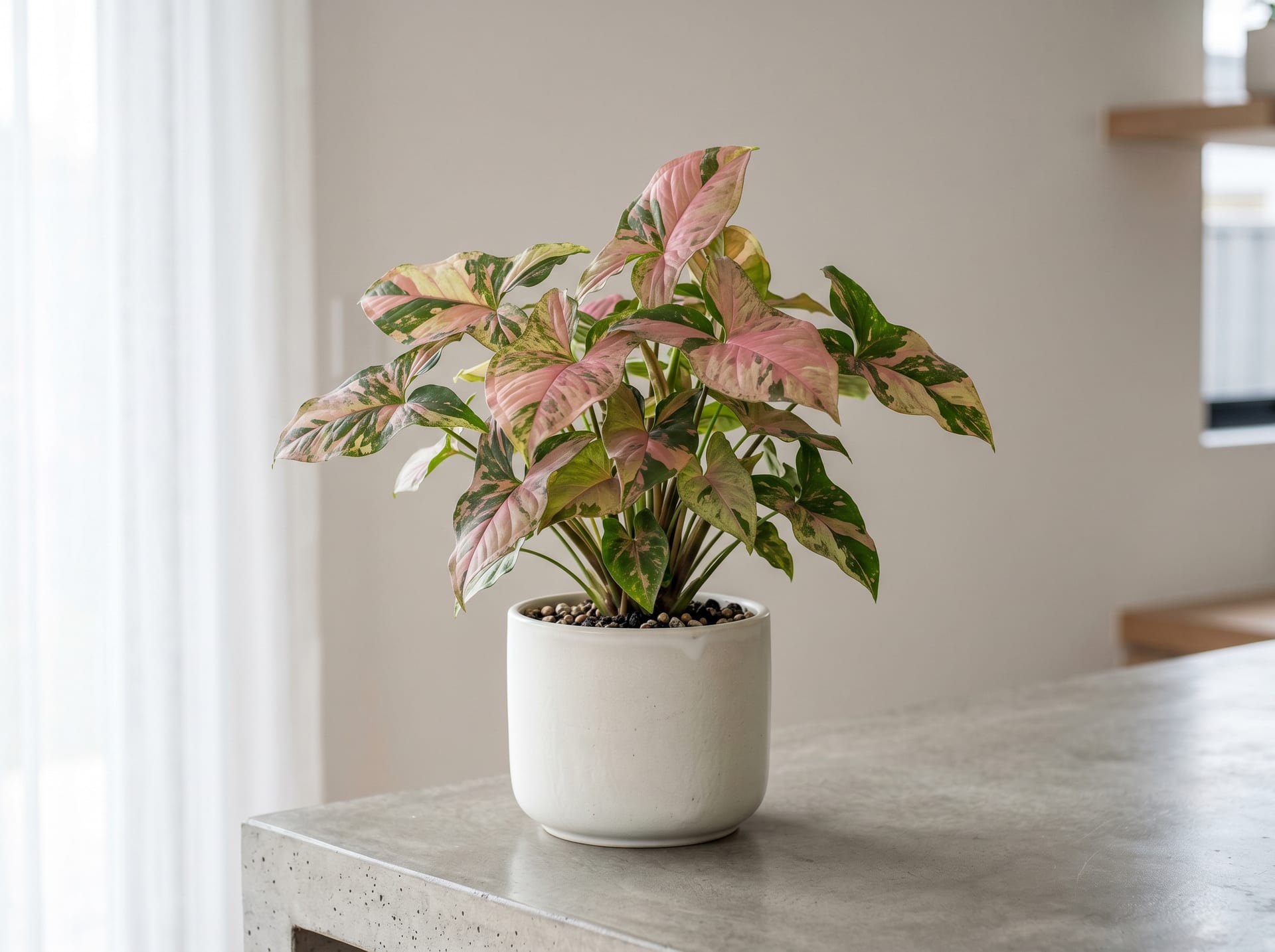
合果芋
A vine plant with beautiful arrowhead-shaped leaves. Interesting plant whose leaf shape changes as it grows.
View 合果芋 encyclopedia →前3笔销售免佣金!在2026年8月31日前注册生产者账户 → 前3笔成交的手续费免费!
栽培者 招募中!
在BoTachoku上销售,直接面向全国客户销售吗?
ボタちょく的 6 项透明性承诺
观叶植物出品中,栽培者说明以下信息。确保品种、产地、光照需求、栽培难度的透明性。
- 品种说明
- 实物照片
- 色泽
- 产地说明
- 光照需求
- 难度说明
Browse all 16 varieties
已注册的栽培者(抢先看)
合果芋的基本数据
- 养护难度
- 适合新手
- 寿命
- Perennial (vine)
- 体型
- 30-200cm
- 浇水
- Watering, Liquid fertilizer
- Lighting
- 明るい間接光で管理
- Watering
- 水やりは土が少し乾いたら
- Notes
- つるを支柱に誘引するか垂らす
- Growth
- 成長すると葉が大きく切れ込む
- Notes
- ピンクや白の斑入り品種が人気
关于合果芋
Syngonium is a tropical vining perennial in the Araceae family, native to the rainforests of Central and South America. Its genus name derives from the Latin for "fused ovaries," reflecting its botanical structure. In the wild, it climbs trees and scrambles across the forest floor in search of light. Its most celebrated trait is leaf metamorphosis: compact arrowhead leaves in youth give way to deeply lobed, multi-segmented foliage as the plant matures. Cultivars range from solid green to white- or pink-variegated and lime-toned forms. Relatively tough and shade-tolerant, syngonium thrives indoors and adapts well to hanging baskets or moss-pole training. With modest watering and regular feeding during the growing season, it stays healthy with minimal effort, making it an ideal choice for busy owners and first-time plant parents alike.
开始养护合果芋前需要了解的7件事
1Bright Indirect Light Is Best
Direct sunlight can scorch the leaves, so soft light filtered through a sheer curtain is ideal. While Syngonium tolerates lower light, too little will cause the variegation to fade and growth to slow. Placing it 1–2 meters from a window tends to give good results.
2Water When the Soil Dries Out
Water thoroughly once the top of the soil has dried out, and always discard water that collects in the saucer. Root rot from overwatering is the most common problem, so good drainage is essential. In winter, growth slows down, so reduce watering frequency accordingly.
3Leaf Shape Changes as It Grows
Young plants produce small arrowhead-shaped leaves, but as the plant matures, the leaves transform dramatically into deeply lobed or divided forms. This phenomenon, known as heterophylly, is one of Syngonium's most appealing traits. Plants often carry leaves at different stages simultaneously, offering visual interest over the long term.
4Versatile Growth Habit
Trained up a moss pole or support, Syngonium grows larger and develops bigger leaves. Alternatively, it looks great trailing from a hanging basket or shelf. Regular pruning can keep the plant compact, so you can adapt its form to suit your available space.
5Prefers Warm, Humid Conditions
Native to tropical rainforests in Central and South America, Syngonium thrives at 15–30°C with humidity above 60%. Japanese winters tend to be dry, so misting the leaves or using a humidifier helps keep the plant healthy. Avoid exposing it to temperatures below 10°C, and keep it away from cold drafts or direct airflow from heating and cooling units.
6Fertilize Regularly During Growth
During the growing season from spring to autumn, applying liquid fertilizer every 2–4 weeks at the recommended dilution encourages healthy leaf color and steady growth. A fertilizer with a higher nitrogen content helps maintain vibrant green foliage. In winter, the plant enters a near-dormant state, so reduce or stop feeding altogether.
7Sap and Leaves Are Toxic
Syngonium leaves and stems contain calcium oxalate crystals, which can irritate the mouth and digestive tract if ingested. Keep the plant out of reach of young children and pets, especially cats and dogs. Wash your hands after handling, and those with sensitive skin may want to wear gloves when pruning or repotting.
合果芋的常见问题
- Q.Is syngonium suitable for beginners?
- A.Yes, syngonium is considered beginner-friendly due to its hardiness and straightforward care needs. It requires only moderate watering and bright indirect light, with no special equipment. The main things to avoid are overwatering and direct sun exposure.
- Q.Why are the leaves losing their color or variegation?
- A.Insufficient light is the most common cause, especially for variegated varieties which revert toward green in low-light conditions. Moving the plant to a brighter spot often restores the patterning within a few weeks. Nutrient deficiency from lack of fertilizer can also cause pale foliage.
- Q.Can I keep syngonium if I have pets or young children?
- A.Syngonium contains calcium oxalate, which is toxic to dogs and cats if ingested. It is best placed on high shelves or in rooms where pets cannot access it. Similar precautions are recommended around young children who might chew on leaves.
- Q.What special care does syngonium need in winter?
- A.Syngonium is sensitive to temperatures below 10°C and cold drafts near windows, so move it to a warmer spot in winter. Water only after the soil has dried out and suspend or minimize fertilizing. If indoor heating makes the air very dry, misting the leaves occasionally helps maintain humidity.
- Q.How fast does syngonium grow and produce new leaves?
- A.During the spring and summer growing season, syngonium can push out one to two new leaves every few weeks under good conditions. Growth slows considerably in winter and may pause almost entirely. Adequate light, warmth, and regular feeding are the main factors that drive faster leaf production.
合果芋种植的实用工具
Learn more about 合果芋 in the encyclopedia
View 合果芋 encyclopedia entry →
Care difficulty, size, origin and light needs — all basics covered.