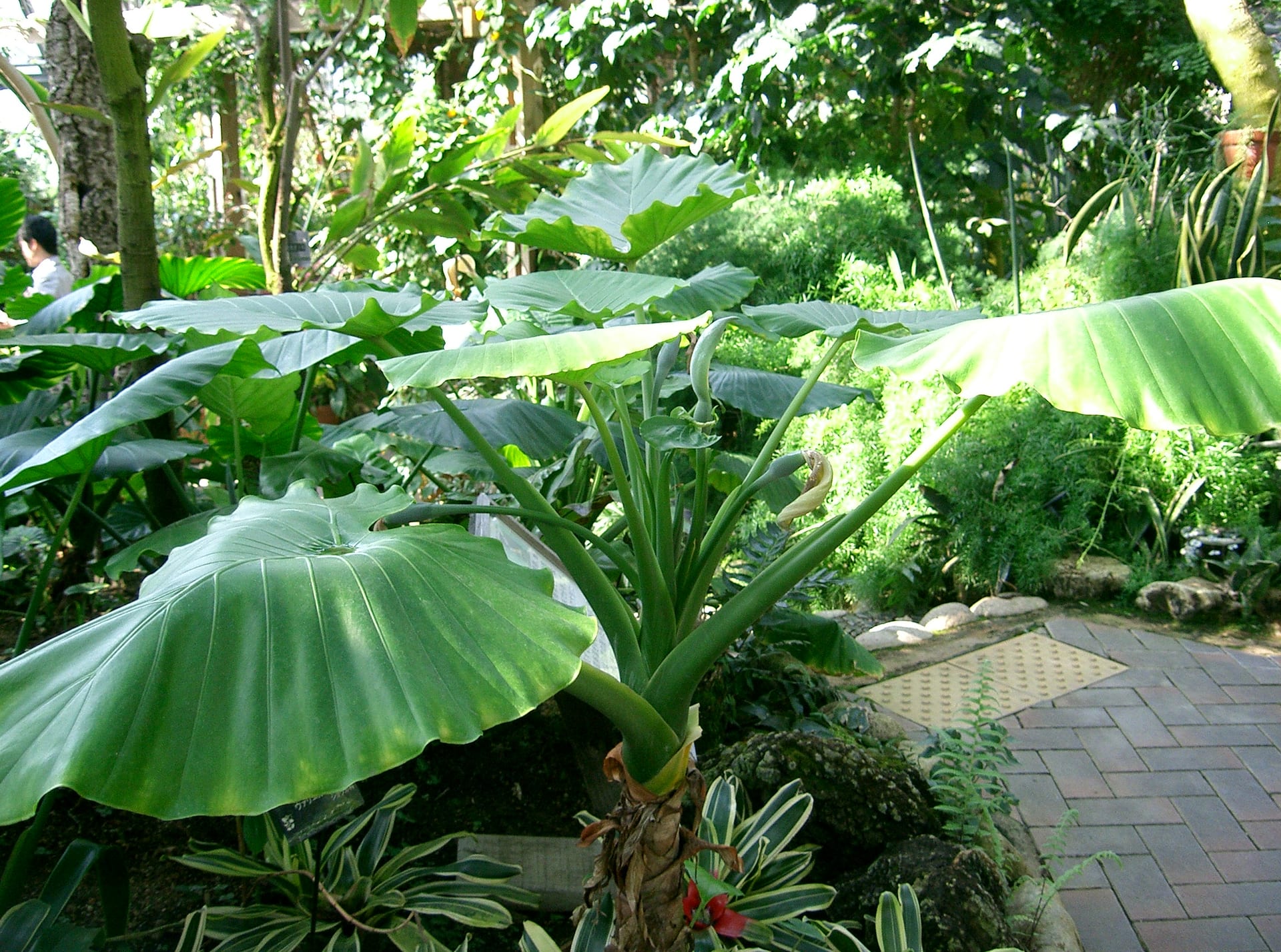
 © KENPEI / CC BY-SA 3.0
海芋
Alocasia odora, known in Japan as "kuwazu-imo," is one of the most widely grown Alocasia varieties in the country, prized for its bold, upright form with large oval leaves rising on thick stalks. In its natural habitat it can reach 1 to 2 meters in height, with leaf stalks growing 60 to 120 cm long, making it a striking statement plant indoors. A distinguishing feature is its thick, rod-like rhizome that creeps along the soil surface — a key way to tell it apart from the similar-looking taro plant. As a perennial, it grows steadily over time, and following basic care guidelines makes it manageable even for beginners. Note that all parts of the plant are toxic, so it should be kept strictly as an ornamental and never ingested.
View 海芋 encyclopedia →成交手續費 0%!2026年9月30日前註冊,前 2 株免佣金!
生產者 招募中!
在 GrowerDirect 上架,直接銷售給全國的客戶吧!
GrowerDirect承諾的 6 項透明性重點
在觀葉植物出品時,生產者明示下列資訊。確保品種、產地、所需光量和栽培難度的透明度。
- 品種明示
- 實物照片
- 色澤
- 產地明示
- 所需光量
- 難度明示
查看全部139個品種
觀葉植物分類正在招募認證生產者
生產者正在陸續註冊,即將上架。設定上架通知,不錯過新商品。
「接收上架通知」需免費註冊會員即可設定。當有符合您儲存條件的新商品上架時,我們會以郵件和站內通知提醒您。
已註冊的生產者(搶先看)
海芋的基本資料
- 栽培難度
- 適合新手
- 壽命
- 多年生草本
- 體型
- 株高1~2米(原生地)。葉柄60~120釐米
- 適宜溫度
- 20〜25℃
- 澆水
- 生長期施用緩釋肥或液肥
- 光照·擺放位置
- 喜歡明亮的半陰或半日照環境。室內以窗邊紗窗透光為參考,盛夏的直射陽光會導致葉片日灼。
- 浇水
- 生長期當盆土表面乾燥時充分澆水。冬季減少澆水,保持偏幹狀態。
- 溫度·越冬
- 海芋屬植物在白天20~25℃左右的溫度下生長良好。冬季移入室內,避免霜凍和冷風。
- 土壤·換盆
- 宜用排水良好、含有機質的弱酸性土壤。當根莖佈滿花盆時,在春季至初夏進行換盆。
- 繁殖方法
- 通過分株小苗或切分根莖進行種植來繁殖。接觸切口流出的汁液時應戴手套以保護皮膚。
- 病蟲害·注意事項
- 容易被紅蜘蛛侵害,過溼會導致根腐和病斑。全草含有草酸鈣,汁液可能引起皮膚過敏。不可與芋頭混淆而食用。應注意寵物和兒童的誤食。
關於海芋
Kuwazu-imo (Alocasia odora) is a popular Japanese houseplant with bold oval leaves on thick stalks. This easy-care perennial makes a striking statement plant indoors — ornamental only, as all parts are toxic.
開始照料海芋前需要了解的7件事
1Prefers Bright Shade
Kuwazu-imo prefers bright, indirect light and does best out of direct sun. Indoors, a spot near a window with sheer curtains that filter the light works well. Prolonged direct sunlight can scorch the leaves, so keep that in mind.
2Balance Watering Carefully
During the growing season, water thoroughly once the soil surface has dried, avoiding cycles of extreme wetness and dryness. Never let water sit in the saucer, as this can lead to root rot — empty it regularly. In winter, growth slows, so reduce watering frequency accordingly.
3Well-Draining Soil
Because this plant dislikes staying wet, choose a well-draining, well-aerated potting mix. Mixing pumice or perlite into a standard houseplant potting soil helps prevent root rot.
4Repot When Rootbound
Kuwazu-imo grows vigorously and can quickly become rootbound. If roots start showing at the bottom of the pot or growth slows down, it's time to move up to a slightly larger pot. Repotting during the growing season puts the least stress on the plant.
5Protect From Winter Cold
This plant is sensitive to cold, so keep it in a warm indoor spot once temperatures drop. Exposure to low temperatures can damage the leaves or halt growth, so watch out for chilly drafts near windows in winter.
6Check Leaves and Rhizome
When choosing a plant, look for firm leaves with little discoloration or damage. A sturdy, rod-like rhizome creeping along the soil surface is also a good sign of a healthy specimen.
7Toxic — Handle With Care
All parts of kuwazu-imo are toxic and not edible. The sap can irritate skin or mucous membranes, so wear gloves when pruning or repotting, and keep the plant out of reach of small children and pets.
海芋的常見問題
- Q.Can it be grown indoors?
- A.Yes, kuwazu-imo grows well indoors as long as it gets bright, indirect light. Placing it near a window with sheer curtains to filter direct sun works well.
- Q.Is it edible?
- A.No, all parts of kuwazu-imo are toxic and it cannot be eaten. It should be enjoyed purely as an ornamental plant, with care taken to keep it away from anyone's mouth.
- Q.How large does it grow?
- A.In its natural habitat, it can reach a height of 1 to 2 meters, with leaf stalks growing 60 to 120 cm long. Indoors, its growth pace will vary depending on pot size and growing conditions.
- Q.How is it different from taro?
- A.The two plants look quite similar, but kuwazu-imo is distinguished by its thick, rod-like rhizome that creeps along the soil surface. This rhizome shape is the key way to tell it apart from taro.
- Q.Is it difficult to grow?
- A.Kuwazu-imo is a perennial considered suitable for beginners, and it's easy to manage once you understand the basics of placement and watering. It grows steadily, so enjoy watching its progress over time.
海芋栽培的實用工具
在圖鑑中詳細了解海芋
查看海芋的圖鑑條目 →
收錄栽培難度、尺寸、原產地、日照等基礎資料。