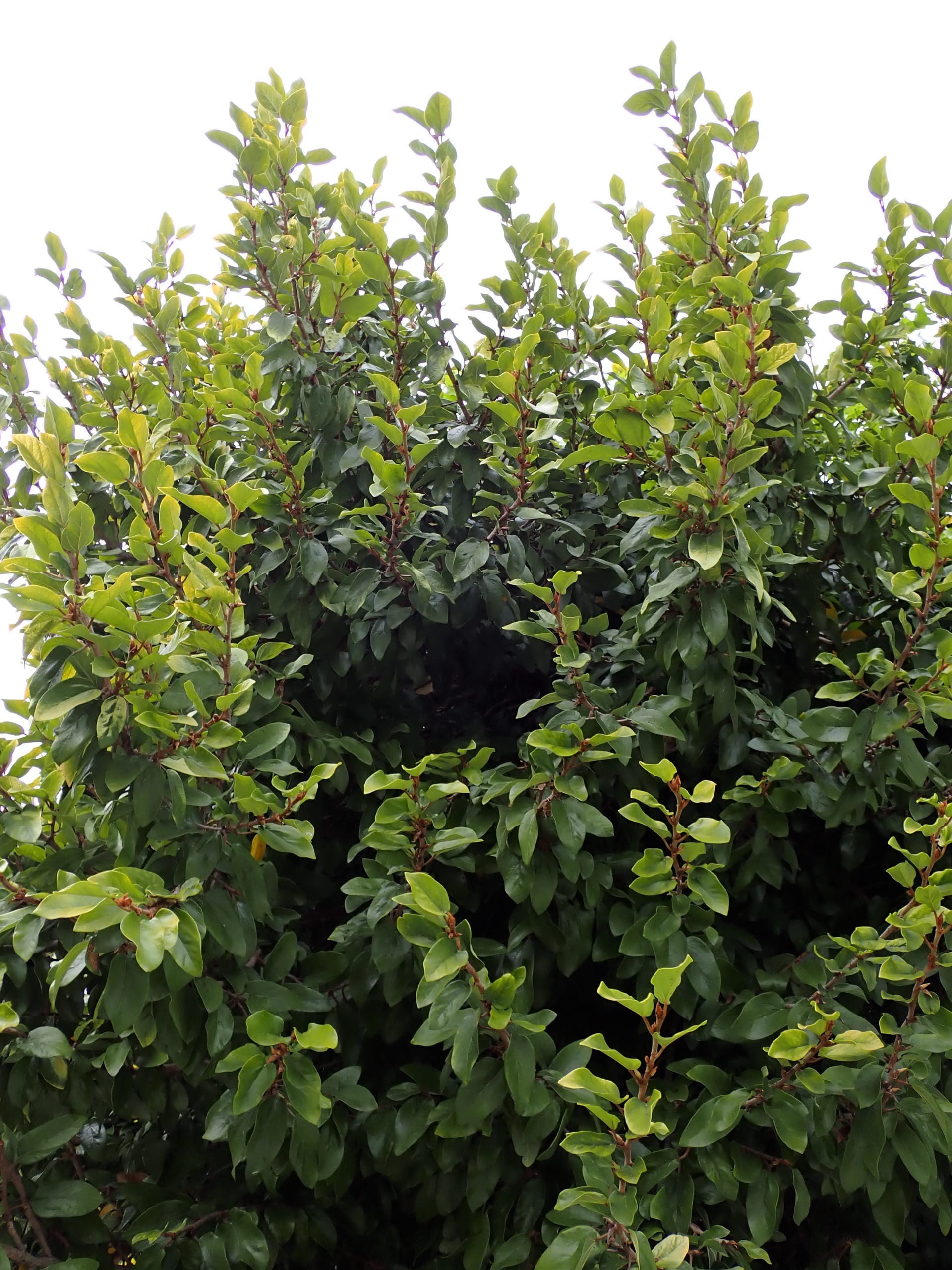
 © Krzysztof Ziarnek, Kenraiz / CC BY-SA 4.0
薜荔
Ficus pumila, commonly known as creeping fig, is an evergreen climbing plant with small, heart-shaped leaves about 2 cm long. Known in Japan as oitabi, it is hardy enough to grow wild in the country's warmer regions. Aerial roots sprout along its stems, letting it cling to walls and rocks as it climbs — a trait you can enjoy indoors by training it up a moss pole or trellis, or letting it trail from a hanging basket. On mature, flowering branches the leaves become larger and thicker at 5 to 10 cm, but potted plants indoors almost never produce this adult foliage, so you can enjoy the small-leaved form. With numerous variegated varieties available and forgiving care needs, it's an evergreen houseplant that beginners can enjoy for years.
View 薜荔 encyclopedia →成交手續費 0%!2026年9月30日前註冊,前 2 株免佣金!
生產者 招募中!
在 GrowerDirect 上架,直接銷售給全國的客戶吧!
GrowerDirect承諾的 6 項透明性重點
在觀葉植物出品時,生產者明示下列資訊。確保品種、產地、所需光量和栽培難度的透明度。
- 品種明示
- 實物照片
- 色澤
- 產地明示
- 所需光量
- 難度明示
查看全部139個品種
觀葉植物分類正在招募認證生產者
生產者正在陸續註冊,即將上架。設定上架通知,不錯過新商品。
「接收上架通知」需免費註冊會員即可設定。當有符合您儲存條件的新商品上架時,我們會以郵件和站內通知提醒您。
已註冊的生產者(搶先看)
薜荔的基本資料
- 栽培難度
- 適合新手
- 壽命
- 常綠藤蔓灌木(可長期栽培)
- 體型
- 藤蔓可伸長超過4公尺。幼葉長約2厘米,成熟葉5~10厘米
- 澆水
- 春至秋季每隔約2個月施用液肥
- 光照與擺放位置
- 喜好明亮的半蔭到半日蔭環境,強光或下午直射日光會導致葉片受傷。
- 澆水
- 春至秋季充分澆水,冬季減少澆水但避免完全乾旱。
- 溫度與越冬
- 可耐受約1℃低溫但害怕霜凍。本州中部以南的暖地可在露地栽培,寒冷地區需室內管理。
- 土壤與換盆
- 使用排水性與保水性均衡的觀葉植物專用土。
- 繁殖方法
- 可通過藤蔓扦插或節點取根法簡易繁殖。
- 病蟲害與注意事項
- 注意介殼蟲、蚜蟲、粉介殼蟲、紅蜘蛛等蟲害。在戶外牆面爬行時,附著根可能會損傷較脆弱的灰縫。無花果屬植物受傷時會分泌白色乳液(含有香豆素類等成分),接觸皮膚後特別在日光照射下易引起過敏性皮炎。狗貓若食入會刺激胃腸,修剪時應戴手套並將植物放在寵物無法接觸的地方。
關於薜荔
Ficus pumila (creeping fig) is a hardy, beginner-friendly climbing houseplant with small heart-shaped leaves and aerial roots, ideal for trellises or hanging baskets.
開始照料薜荔前需要了解的7件事
1Light and Placement
Ficus pumila thrives in bright, indirect light to partial shade, and strong direct sun can scorch its leaves. Variegated varieties benefit from slightly brighter light to keep their leaf coloring vivid.
2Watering Basics
Water thoroughly once the topsoil has dried out. The plant tolerates humidity reasonably well, but prolonged dryness can cause smaller leaves or leaf drop, so avoid letting it dry out completely.
3Choosing Soil
A standard, well-draining houseplant potting mix works well. Since the plant readily produces aerial roots, avoiding an overly water-retentive mix helps prevent root rot.
4Choosing a Growing Style
A classic way to grow it is training the vine up a moss pole or trellis, letting its aerial roots cling as it climbs. It's also popular trailing from a hanging basket or used as groundcover in mixed planters.
5When to Repot
Because the vine grows vigorously, repotting roughly every one to two years helps prevent the roots from becoming pot-bound. Spring, as new growth begins, is the best time to repot.
6Pruning to Shape
Because the vine grows fast, trimming back overgrown stems during the growing season keeps the plant compact and tidy. Cuttings from pruning can also be propagated to grow new plants.
7Winter Care
Although it's a hardy evergreen, keep it away from cold drafts near windows or direct airflow from air conditioners during colder months. Growth slows in winter, so reduce watering frequency accordingly.
薜荔的常見問題
- Q.How large does it grow?
- A.It's a vigorous climber whose vines keep growing readily. Depending on training and pruning, it can be kept compact or allowed to grow into a much larger display.
- Q.Can it be grown indoors?
- A.Yes, it grows well in pots indoors. Placed in a bright spot, it can be trained up a support or trellis, or grown trailing in a hanging basket, giving you several styling options indoors.
- Q.Will the aerial roots damage walls?
- A.The aerial roots are what let the plant cling to and climb surfaces like walls or rocks. Depending on the material, they can leave marks behind, so when growing it indoors it's best to guide it onto a designated support, moss pole, or pot rather than a wall.
- Q.Why do the young and mature leaves look different?
- A.The plants sold as houseplants are in their juvenile stage, with small leaves about 2 cm long. On mature, flowering branches the leaves become larger and thicker at 5 to 10 cm, but potted plants grown indoors almost never produce this adult foliage.
- Q.When and how should I prune it?
- A.The best time to prune is during the active growing season from spring to summer. Cutting back overly long vines or stems that disrupt the shape with clean scissors helps keep the plant compact.
薜荔栽培的實用工具
在圖鑑中詳細了解薜荔
查看薜荔的圖鑑條目 →
收錄栽培難度、尺寸、原產地、日照等基礎資料。