跳轉到主要內容
火鶴花

火鶴花

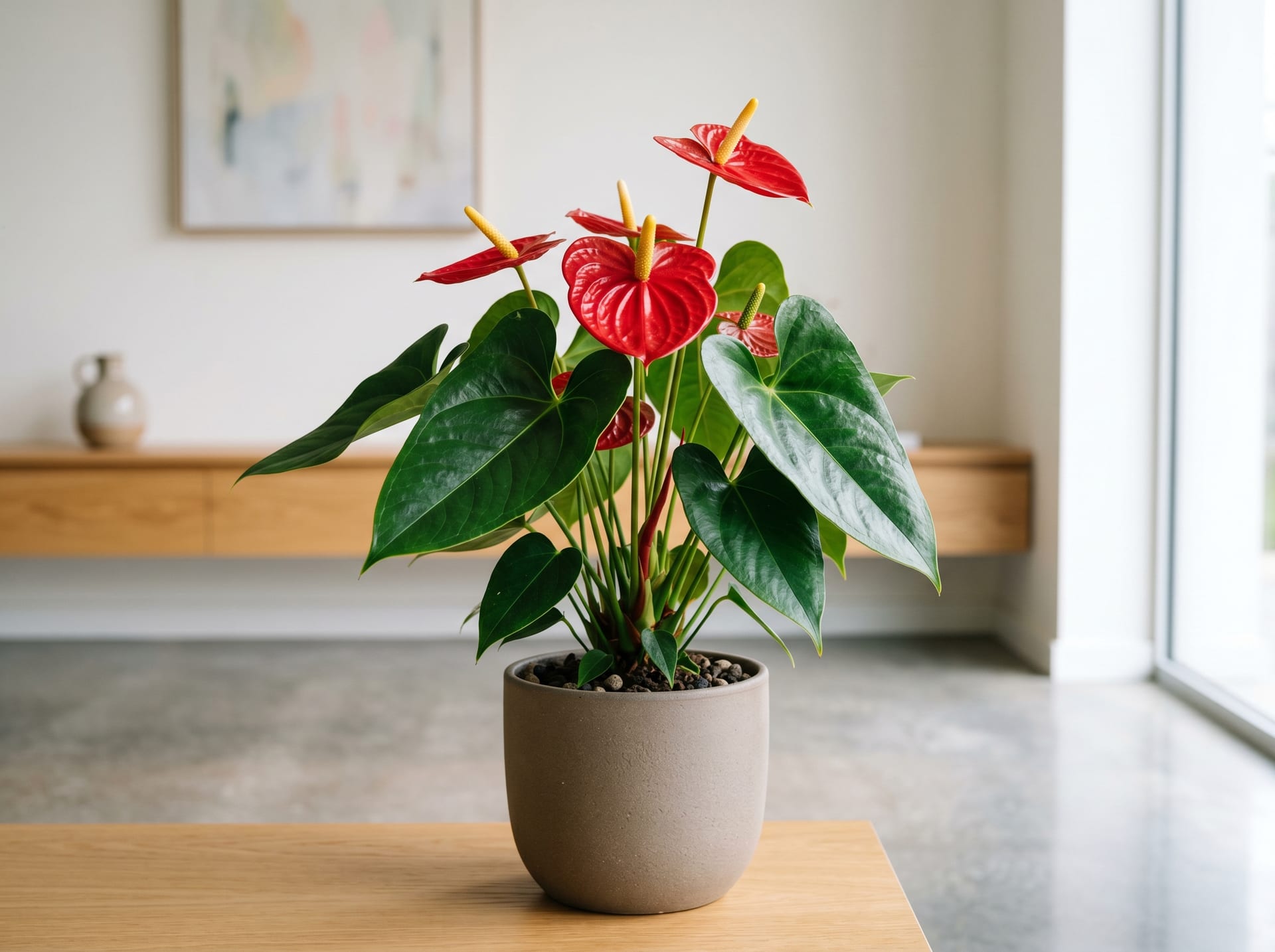
A tropical plant with long-lasting heart-shaped spathes (the colorful flower-like part). Available in red, pink, white and green. Loves warm, humid indoor conditions.

View 火鶴花 encyclopedia →
限時優惠

前 3 筆銷售免佣金!於2026年8月31日前登記生產者→前3筆成交的手續費免費!

栽培者 招募中!

在 ボタちょく 上架,直接銷售給全國的客戶吧!

免費註冊無月費僅在銷售時收取佣金
立即免費註冊

ボタちょく承諾的 6 項透明性重點

在觀葉植物出品時,栽培者明示下列資訊。確保品種、產地、所需光量和栽培難度的透明度。

  • 品種明示
  • 實物照片
  • 色澤
  • 產地明示
  • 所需光量
  • 難度明示
0 items

觀葉植物分類正在招募認證栽培者

栽培者正在陸續註冊,即將上架。設定上架通知,不錯過新商品。

「接收上架通知」需免費註冊會員即可設定。當有符合您儲存條件的新商品上架時,我們會以郵件和站內通知提醒您。

查看其他分類

已註冊的栽培者(搶先看)

想上架觀葉植物嗎?

註冊成為栽培者,即可與買家直接聯繫。

申請成為栽培者

火鶴花的基本資料

栽培難度
適合中級者
壽命
Perennial
體型
30-80cm
適宜溫度
18〜30℃(適温22〜28℃)
適宜濕度
60〜80%
澆水
Liquid fertilizer twice monthly in spring-fall
Placement
Bright indirect light optimal. Direct sun damages spathe
Watering
Water when topsoil dries. Good drainage is key
Humidity
Prefers high humidity. Mist leaves regularly
Notes
Contains calcium oxalate. Toxic to pets and children
特徵AnthuriumSpatheTropicalColorful

關於火鶴花

Anthurium is a perennial plant in the Araceae family, native to the tropical rainforests of Central and South America. Its name derives from Greek words meaning "flower" and "tail." Introduced to Europe in the 19th century, it has since been extensively cultivated worldwide, with more than 900 known species today. Its most distinctive feature is the heart-shaped spathe — a modified leaf that resembles a flower — which comes in a rich palette of red, pink, white, green, and purple, and bears a characteristic glossy sheen that catches the light beautifully. Rising from the center of the spathe is the spadix, a slender cream or yellow spike that contains the true flowers. Anthurium blooms throughout the year in warm indoor conditions, with individual spathes retaining their color for two to four months, making it one of the longest-lasting ornamental houseplants available. The keys to success are providing bright indirect light and maintaining adequate humidity — once these are in place, even beginners can grow it with confidence.

販售火鶴花的精選生産者

查看所有販售火鶴花的生産者清單(1件)→

開始照料火鶴花前需要了解的7件事

  1. 1Avoid Direct Sunlight

    Anthurium thrives in bright, indirect light, but direct sunlight can scorch the leaves and spathes, causing discoloration. A spot near a window filtered by a sheer curtain provides ideal lighting conditions.

  2. 2Warmth and Humidity Are Key

    The ideal growing temperature is 18–28°C. Below 10°C growth slows significantly, and temperatures under 5°C can damage the plant. In dry conditions, leaf tips tend to brown, so maintaining humidity between 50–70% using a mister or humidifier helps keep the plant healthy.

  3. 3Water Thoroughly but Infrequently

    Water thoroughly once the top layer of soil has dried out, as overwatering can lead to root rot. Pour until water drains from the bottom, and empty the saucer promptly. During winter, reduce watering frequency further to prevent moisture buildup.

  4. 4Toxic to Pets and Children

    All parts of the anthurium plant contain calcium oxalate crystals, which can cause burning sensations in the mouth and vomiting if ingested. It is strongly recommended to keep the plant out of reach of pets and young children. Wearing rubber gloves when handling the plant helps prevent skin irritation.

  5. 5Fertilize Lightly in Growing Season

    During the growing season (spring through autumn), applying a diluted liquid fertilizer at half the recommended strength once or twice a month promotes better flowering. Over-fertilizing can damage the roots, so avoid exceeding the stated dosage. Fertilizing should be suspended during winter.

  6. 6Repot Every Two Years

    When roots become crowded in the pot, growth slows and the number of spathes tends to decrease. Repotting into a slightly larger container every two years is a good guideline, with May to June being the ideal time. Using a well-draining potting mix formulated for tropical houseplants helps prevent root rot.

  7. 7Tips for Prolonged Blooming

    Under suitable conditions, each spathe can remain attractive for two to four months. Promptly removing spent spathes encourages the development of new flower buds. Insufficient light is a common reason for reduced blooming, so ensuring adequate brightness is the key to keeping the plant flowering consistently.

火鶴花的常見問題

Q.Why has my anthurium stopped flowering?
A.The most common causes are insufficient light, lack of fertilizer, or a pot-bound root system. Try moving the plant to a brighter spot with indirect light and apply a diluted liquid fertilizer during the growing season. If the roots are crowded, repotting should help stimulate new blooms.
Q.The leaves are turning yellow. What should I do?
A.Yellowing leaves are most often caused by overwatering and root rot, or by scorching from direct sunlight. Check whether the soil is staying too wet and reduce watering, then reassess the plant's position. If many leaves are yellowing at once, inspect the roots for signs of rot.
Q.Is anthurium safe to keep around cats and dogs?
A.Anthurium is toxic to cats and dogs; ingestion can cause oral irritation and vomiting. It is best placed on a high shelf or in a separate room where pets cannot reach it. If a pet ingests any part of the plant, consult a veterinarian promptly.
Q.What should I watch out for when caring for anthurium in winter?
A.Cold temperatures and dry air are the two main threats in winter. Keep the plant in a spot that stays above 10°C, and counteract heating-induced dryness with a humidifier or regular misting. Also make sure the plant is not positioned directly in the airflow from a heater or air conditioner, as this can damage the leaves.
Q.Why is the color of my anthurium's spathe fading?
A.Spathes naturally fade and turn green over time as they age — this is a normal part of the bloom cycle. Removing the faded flower stalk at its base reduces strain on the plant and encourages new buds to emerge. If no new flowers appear afterward, check that the plant is receiving enough indirect light.

火鶴花栽培的實用工具

Learn more about 火鶴花 in the encyclopedia

View 火鶴花 encyclopedia entry →

Care difficulty, size, origin and light needs — all basics covered.

同分類的更多品種