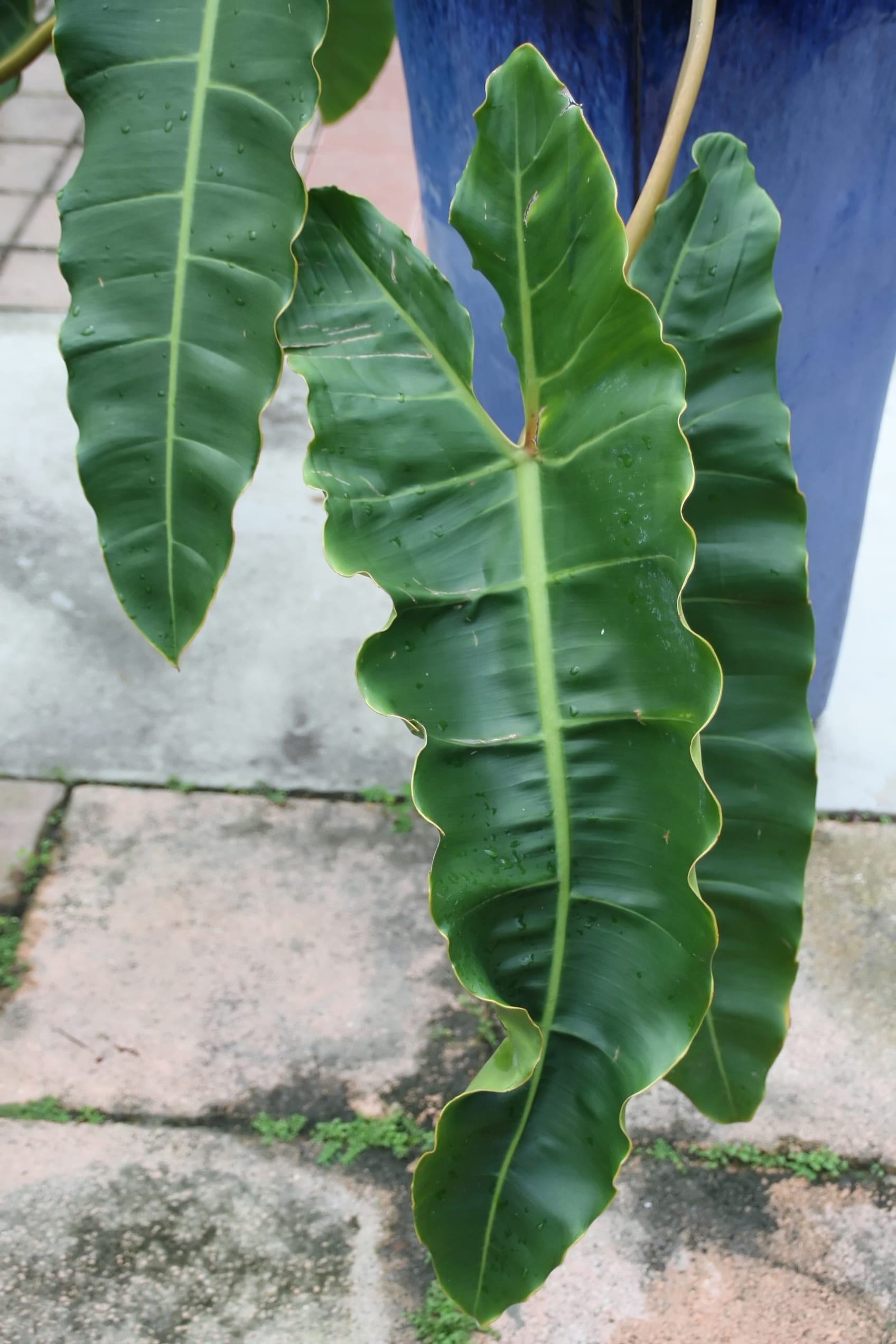
 © Photo by David J. Stang / CC BY-SA 4.0
比勒提亞蔓綠絨
Philodendron billietiae is a striking aroid native to South America, prized for its long, spear-shaped leaves and the vivid orange-to-yellow petioles that contrast beautifully with the foliage. The wavy leaf margins add extra visual interest, and as a species first described in 1995, it remains a relatively recent discovery that has become a favorite among collectors of rare aroids. As a perennial, it can be enjoyed for years, and growers often note that training it to climb a moss pole or stake encourages larger, more dramatic leaves over time, making its growth a rewarding process to watch.
View 比勒提亞蔓綠絨 encyclopedia →成交手續費 0%!2026年9月30日前註冊,前 2 株免佣金!
生產者 招募中!
在 GrowerDirect 上架,直接銷售給全國的客戶吧!
GrowerDirect承諾的 6 項透明性重點
在觀葉植物出品時,生產者明示下列資訊。確保品種、產地、所需光量和栽培難度的透明度。
- 品種明示
- 實物照片
- 色澤
- 產地明示
- 所需光量
- 難度明示
查看全部139個品種
觀葉植物分類正在招募認證生產者
生產者正在陸續註冊,即將上架。設定上架通知,不錯過新商品。
「接收上架通知」需免費註冊會員即可設定。當有符合您儲存條件的新商品上架時,我們會以郵件和站內通知提醒您。
已註冊的生產者(搶先看)
比勒提亞蔓綠絨的基本資料
- 栽培難度
- 適合中級者
- 壽命
- 多年生草本
- 體型
- 關於成熟株大小的資料很少。將其引向支柱生長時,葉片會變大。
- 澆水
- 生長期施用稀釋液肥
- 光照和擺放位置
- 明亮的室內環境,避免直射日光。以透過蕾絲窗簾的光線為目標。
- 澆水
- 盆土表面乾燥時充分澆水。由於根部長期浸濕容易受傷,應重視排水性。冬季應減少澆水。
- 溫度和越冬
- 怕冷的熱帶低地植物。冬季應在溫暖室內管理,避免靠近冷窗或暖氣直接吹向的地方。
- 土壤和換盆
- 適合粗質、透氣性佳的芋科專用土。由於其半著生、攀爬特性,將其引向支柱時葉片易於長大。
- 繁殖方法
- 可通過帶節的莖插或莖橫臥法繁殖。
- 病蟲害和注意事項
- 注意紅蜘蛛和介殼蟲。空氣乾燥時紅蜘蛛易發生,需通過葉面噴水補充濕度。蔓綠絨屬含草酸鈣,應放在寵物和兒童無法觸及的地方。
關於比勒提亞蔓綠絨
Philodendron billietiae is a South American aroid prized for its orange-to-yellow petioles and wavy, spear-shaped leaves. A guide to caring for this popular rare aroid.
開始照料比勒提亞蔓綠絨前需要了解的7件事
1Bright, Indirect Light
Direct sun can scorch the leaves, so a spot with bright, filtered light, like behind a sheer curtain, works well. Indoors, insufficient light can slow growth, so aim to keep it reasonably bright.
2Water When Soil Dries
Water thoroughly once the topsoil has dried out. While it enjoys humidity, overwatering can lead to root rot, so avoid letting water sit in the saucer.
3Well-Draining Soil
Given its epiphytic nature, a well-aerated, free-draining mix suits it best. Many growers blend general houseplant potting soil with perlite or sphagnum moss to improve drainage and airflow.
4Climbing Support Boosts Growth
This is a naturally climbing plant that grows up trees in the wild, and training it up a support such as a moss pole is said to encourage larger leaves. Left to trail along the ground, the leaves tend to stay smaller.
5Repot Before Roots Crowd
During active growth, roots can quickly fill the pot, so if you see roots emerging from the drainage holes, consider moving up to a slightly larger pot. After repotting, keep it out of direct sun until the roots settle.
6Protect from Winter Cold
As a tropical species, it is sensitive to cold, so keep it in a warm indoor spot as temperatures drop. Heating can dry the air, so misting the leaves can help maintain humidity during winter.
7Choose by Petiole Color
When choosing a plant, look for one with well-developed orange-to-yellow petiole coloring and clearly wavy leaf margins that best showcase this variety's character. Note that newly unfurling leaves may not yet show full coloration, so give them time before judging.
比勒提亞蔓綠絨的常見問題
- Q.Is this species beginner-friendly?
- A.This species is generally classified as suitable for intermediate growers. Getting the light, watering, and humidity right takes a bit of know-how, so some prior houseplant experience is helpful.
- Q.How large does it grow?
- A.There isn't much documented data on its mature size, and growth varies with conditions. It's said that training the plant to climb a support tends to produce larger leaves than letting it trail along the ground.
- Q.Why do the petioles turn orange or yellow?
- A.The orange-to-yellow coloring of the petioles is one of this variety's signature traits. Newly unfurled leaves may show paler color at first, with the hue often becoming more vivid as the plant matures.
- Q.Is a support like a moss pole required?
- A.It isn't strictly required, but since the plant naturally climbs in the wild, providing a support such as a moss pole tends to encourage larger leaves. It can still be grown without one, though leaf size may differ.
- Q.How long can it be grown for?
- A.As a perennial, it can be enjoyed for many years with appropriate care. Adjusting its placement seasonally and repotting as needed helps keep the plant healthy over the long term.
比勒提亞蔓綠絨栽培的實用工具
在圖鑑中詳細了解比勒提亞蔓綠絨
查看比勒提亞蔓綠絨的圖鑑條目 →
收錄栽培難度、尺寸、原產地、日照等基礎資料。