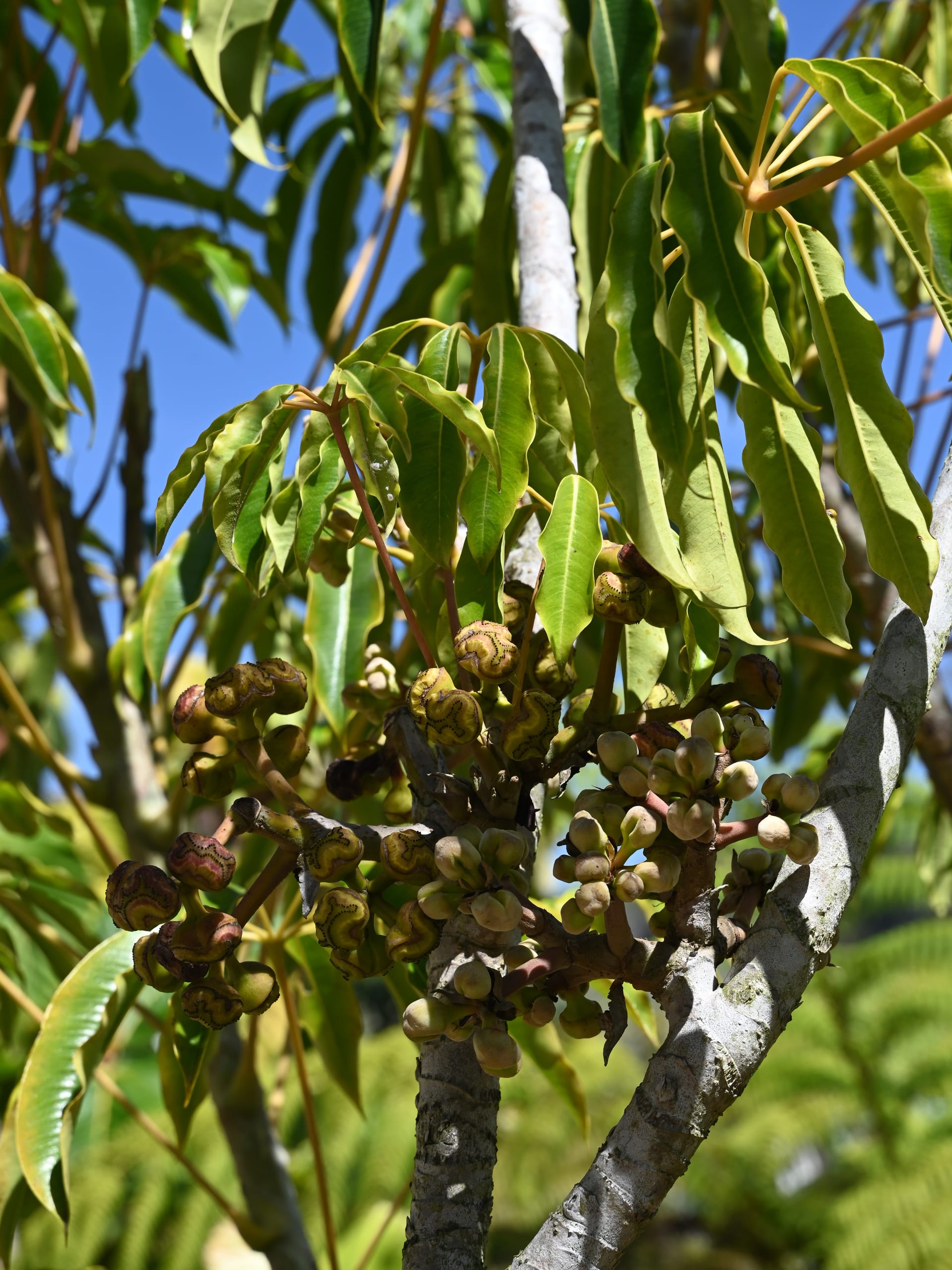
 © Krzysztof Ziarnek, Kenraiz / CC BY-SA 4.0
圖比丹瑟斯
Tupidanthus is an evergreen member of the Araliaceae family, prized for the way its long leaf stalks fan out into seven to eleven broad leaflets, each spanning 12 to 23 centimeters. The dense, drooping foliage gives the plant a lush, layered silhouette that stands out among houseplants. Its common name comes from an older genus classification, Tupidanthus, which is still widely used in the trade today. What truly sets it apart is its remarkable tolerance for low light, making it a forgiving choice for rooms without much direct sun. Combined with its generally undemanding care, it's a great pick for anyone growing houseplants for the first time.
View 圖比丹瑟斯 encyclopedia →成交手續費 0%!2026年9月30日前註冊,前 2 株免佣金!
生產者 招募中!
在 GrowerDirect 上架,直接銷售給全國的客戶吧!
GrowerDirect承諾的 6 項透明性重點
在觀葉植物出品時,生產者明示下列資訊。確保品種、產地、所需光量和栽培難度的透明度。
- 品種明示
- 實物照片
- 色澤
- 產地明示
- 所需光量
- 難度明示
查看全部139個品種
觀葉植物分類正在招募認證生產者
生產者正在陸續註冊,即將上架。設定上架通知,不錯過新商品。
「接收上架通知」需免費註冊會員即可設定。當有符合您儲存條件的新商品上架時,我們會以郵件和站內通知提醒您。
已註冊的生產者(搶先看)
圖比丹瑟斯的基本資料
- 栽培難度
- 適合新手
- 壽命
- 常綠樹(多年生)
- 體型
- 原生地高4〜10米。盆栽時可通過修剪調整大小
- 澆水
- 生育期間施以觀葉植物肥料,用量應適度減少
- 光照與擺放位置
- 具耐陰性,適合室內栽培。置於無直射日光的明亮環境,葉片能生長茂密。
- 澆水
- 需水量中等。待盆土表面乾燥後澆水,不可在托盤積水。
- 溫度與越冬
- 不耐寒,冬季應在溫暖室內管理,避免置於寒冷的窗邊。
- 介質與換盆
- 使用排水良好的介質。由於生長快速體型會變大,根系滿盆時應換入更大的盆器。
- 修剪與整形
- 修剪過長枝條以維持樹形。枝條脆弱易折,移動時需小心謹慎。
- 病蟲害與注意事項
- 大量採食植株部分可能引起輕微中毒,應防止寵物及幼童啃咬。
關於圖比丹瑟斯
Tupidanthus is an easy-care evergreen houseplant with bold, palm-like leaves and excellent shade tolerance. Discover placement, watering tips, and common questions.
開始照料圖比丹瑟斯前需要了解的7件事
1Placement
Tupidanthus tolerates low light well, so it can thrive indoors near a sheer-curtained window. That said, it naturally prefers brighter conditions, and occasional time in gentle sunlight helps keep the leaves glossy and the growth compact. Avoid direct midday or west-facing summer sun, which can scorch the leaves.
2Watering
Water thoroughly once the soil surface has dried out, then let it dry again before the next watering. The plant dislikes soggy conditions, and standing water in the saucer can lead to root rot. In winter, growth slows, so space out waterings and keep the soil on the drier side.
3Soil
Tupidanthus prefers well-draining soil, so mixing a standard houseplant potting mix with pumice or coarse sand helps improve aeration. Heavy, poorly drained soil raises the risk of root rot. Line the bottom of the pot with drainage stones so excess water can escape freely.
4Repotting
Repot roughly every two to three years, since a root-bound plant tends to lose vigor. Spring through early summer, when growth is most active, is the best time to do this. Move it into a slightly larger pot with fresh soil, gently loosening the root ball before planting.
5Seasonal care
From spring through autumn, during active growth, it can be kept in a bright, shaded spot outdoors, but bring it back indoors once temperatures start to drop in fall. It's sensitive to cold, so keep it in a warm room over winter, away from chilly windowsills. Avoid placing it in the direct path of air conditioning or heating vents, which can dry out and damage the leaves.
6Pruning to control size
In its native habitat, Tupidanthus can grow four to ten meters tall, but in a pot, pruning lets you keep its size and shape in check. Cutting back overgrown stems encourages fresh new growth while keeping the plant compact. Spring through summer, during active growth, is the best time to prune.
7Choosing a healthy plant
Look for leaves that are thick, glossy, and free of yellowing or dark spots. Sturdy petioles and a stable base that doesn't wobble are also signs of a healthy plant. Specimens with dense foliage and that characteristic drooping, layered growth habit tend to look especially attractive.
圖比丹瑟斯的常見問題
- Q.Is Tupidanthus easy for beginners?
- A.Yes, thanks to its high shade tolerance and generally tough constitution, it's considered a beginner-friendly houseplant. As long as you follow the basics of watering and placement, it tends to grow without major issues.
- Q.How large does it grow?
- A.In its native habitat, Tupidanthus can reach four to ten meters in height, but in a pot, its size can be managed through pruning. When grown indoors, regular pruning is the usual way to keep it compact.
- Q.Can it grow in a room with little sunlight?
- A.Because it has strong shade tolerance, it can be grown even in spots with limited direct sunlight, as long as the room is reasonably bright. Extremely dark locations will slow its growth, so a spot with filtered light through a sheer curtain is ideal.
- Q.How often should I water it?
- A.The general rule is to water thoroughly once the soil surface has dried, with frequency varying by season. During winter, when growth slows, water less often and let the soil stay on the drier side.
- Q.Is the drooping leaf shape a sign of disease?
- A.No, the dense, drooping way the leaves hang is simply a natural characteristic of Tupidanthus. That said, if the plant suddenly looks wilted or loses vigor, it's worth checking for underwatering or root problems.
圖比丹瑟斯栽培的實用工具
在圖鑑中詳細了解圖比丹瑟斯
查看圖比丹瑟斯的圖鑑條目 →
收錄栽培難度、尺寸、原產地、日照等基礎資料。