跳轉到主要內容
蔓綠絨

蔓綠絨

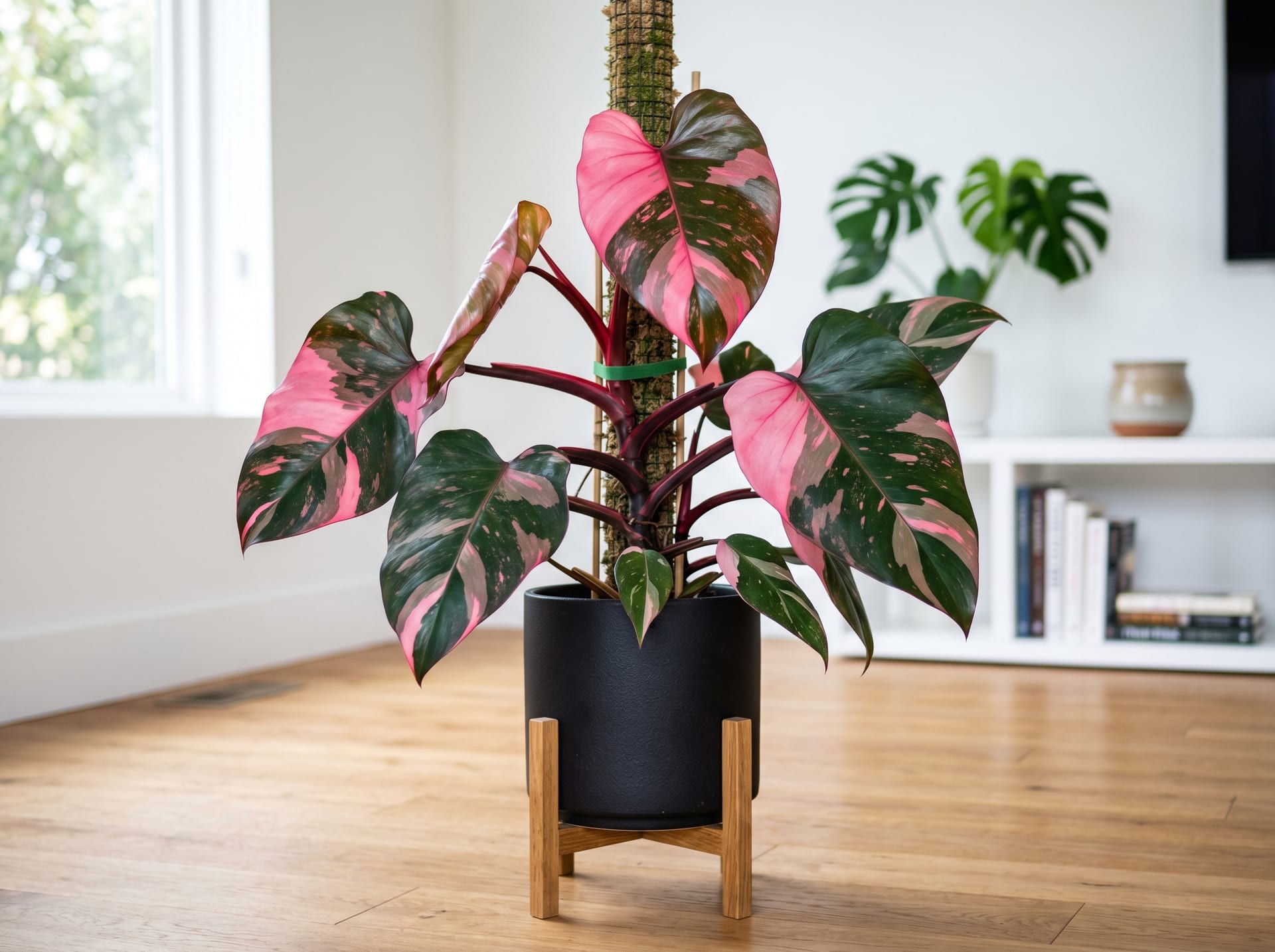
A massive genus of ~500 species ranging from vining to rosette forms. Rare species and variegated specimens are popular with collectors. Thrives in warm, humid indoor conditions.

View 蔓綠絨 encyclopedia →
限時優惠

前 3 筆銷售免佣金!於2026年8月31日前登記生產者→前3筆成交的手續費免費!

栽培者 招募中!

在 ボタちょく 上架,直接銷售給全國的客戶吧!

免費註冊無月費僅在銷售時收取佣金
立即免費註冊

ボタちょく承諾的 6 項透明性重點

在觀葉植物出品時,栽培者明示下列資訊。確保品種、產地、所需光量和栽培難度的透明度。

  • 品種明示
  • 實物照片
  • 色澤
  • 產地明示
  • 所需光量
  • 難度明示
0 items

觀葉植物分類正在招募認證栽培者

栽培者正在陸續註冊,即將上架。設定上架通知,不錯過新商品。

「接收上架通知」需免費註冊會員即可設定。當有符合您儲存條件的新商品上架時,我們會以郵件和站內通知提醒您。

查看其他分類

已註冊的栽培者(搶先看)

想上架觀葉植物嗎?

註冊成為栽培者,即可與買家直接聯繫。

申請成為栽培者

蔓綠絨的基本資料

栽培難度
適合新手
壽命
15+ years
體型
30cm-2m (varies by species)
適宜溫度
18〜30℃(適温22〜28℃)
適宜濕度
60〜80%
澆水
Liquid fertilizer twice monthly in spring-fall
Placement
Bright indirect light. Train vining types on poles or tree fern boards
Watering
Water when topsoil dries. Use well-draining mix to prevent root rot
Propagation
Easy via stem or water cuttings. Cut to include a node
Notes
Contains calcium oxalate throughout. Keep away from pets and children
特徵Beginner-friendlyMany speciesCollector favoriteIndoor

關於蔓綠絨

Philodendron is a large genus in the family Araceae, native primarily to the tropical rainforests of Central and South America. Its name derives from the Greek words meaning "tree lover." The genus encompasses an extraordinary range of forms — trailing, semi-climbing, and self-heading — from small heart-leaf types to large specimens whose leaves can span several dozen centimeters at maturity. Leaf shapes vary dramatically, from deeply lobed to heart-shaped to elongated, making philodendrons highly versatile as interior plants. They are relatively resilient and, with bright indirect light and consistent but careful watering, can be grown successfully by beginners. In recent years, variegated cultivars featuring pink or white patterning have attracted intense interest from collectors worldwide. Their vigorous growth and the satisfaction of watching new leaves unfurl make philodendrons a rewarding choice for anyone starting out with houseplants.

開始照料蔓綠絨前需要了解的7件事

  1. 1Bright Indirect Light

    Direct sunlight can scorch philodendron leaves, so bright indirect light filtered through a sheer curtain is ideal. Tolerance to low light varies by species, with some handling shadier spots better than others. When relocating a plant, adjust light levels gradually to avoid stress.

  2. 2Warmth and Humidity

    Philodendrons grow best between 18–30°C and are at risk of cold damage below 10°C. Aim for 50–70% humidity; misting leaves or using a humidifier helps in dry indoor air. Be especially mindful of heating-induced dryness during winter months.

  3. 3Water When Soil Dries

    Water thoroughly once the top layer of soil has dried out, and always discard excess water from the saucer to prevent root rot. Overwatering is the most common cause of decline in philodendrons. In winter, reduce watering frequency as growth slows.

  4. 4Toxic to Pets and Children

    Philodendron leaves and stems contain calcium oxalate crystals, which can cause mouth irritation and vomiting if ingested. Keep plants out of reach of dogs, cats, and young children. Wear gloves when pruning or repotting to avoid contact with the sap.

  5. 5Size Varies by Species

    Philodendrons range from compact tabletop plants to large specimens that can reach ceiling height at maturity. Always check the expected adult size before purchasing to ensure it suits your space. Climbing varieties benefit from a moss pole or support stake to grow in their natural form.

  6. 6Fertilize During Growth

    Apply a diluted liquid fertilizer once or twice a month during the growing season (spring through autumn) to support healthy leaf color and growth. Over-fertilizing can burn roots and leaf tips, so use a weaker concentration than recommended. Withhold fertilizer in winter when the plant is near dormant.

  7. 7Rare Varieties Cost More

    Common philodendron varieties can be found for just a few hundred yen, while rare variegated forms and wild-type species can command tens of thousands of yen or more. Before purchasing, check the plant's overall condition, including root health and leaf quality, to ensure it is worth the price. Buying from a reputable breeder or specialist shop reduces the risk of receiving unhealthy stock.

蔓綠絨的常見問題

Q.Can philodendrons grow in a room with low light?
A.Philodendrons have some tolerance for low light, but insufficient brightness leads to leggy growth and pale leaves. Placing them where they receive as much bright indirect light as possible will keep them healthy.
Q.Why are variegated philodendrons so expensive?
A.Variegation is often genetically unstable and cannot be reliably reproduced from seed, so propagation relies mainly on cuttings. Limited supply combined with high collector demand tends to push prices up significantly.
Q.Why are the leaves turning yellow?
A.The most common cause is root rot from overwatering. Check whether water is pooling in the saucer or the soil is staying constantly wet. Insufficient light and excessive fertilizing can also cause yellowing leaves.
Q.How do you propagate philodendrons?
A.Cut a stem section of around 5–10 cm that includes at least one node, then root it in water or moist potting mix. Propagating during the warmer months of spring and summer encourages faster rooting and higher success rates.
Q.Is it safe to grow philodendrons in homes with pets or children?
A.Philodendrons contain calcium oxalate, which can cause oral irritation and gastrointestinal symptoms if ingested. It is recommended to display them in elevated positions or other locations out of reach of pets and young children to prevent accidental ingestion.

蔓綠絨栽培的實用工具

Learn more about 蔓綠絨 in the encyclopedia

View 蔓綠絨 encyclopedia entry →

Care difficulty, size, origin and light needs — all basics covered.

同分類的更多品種