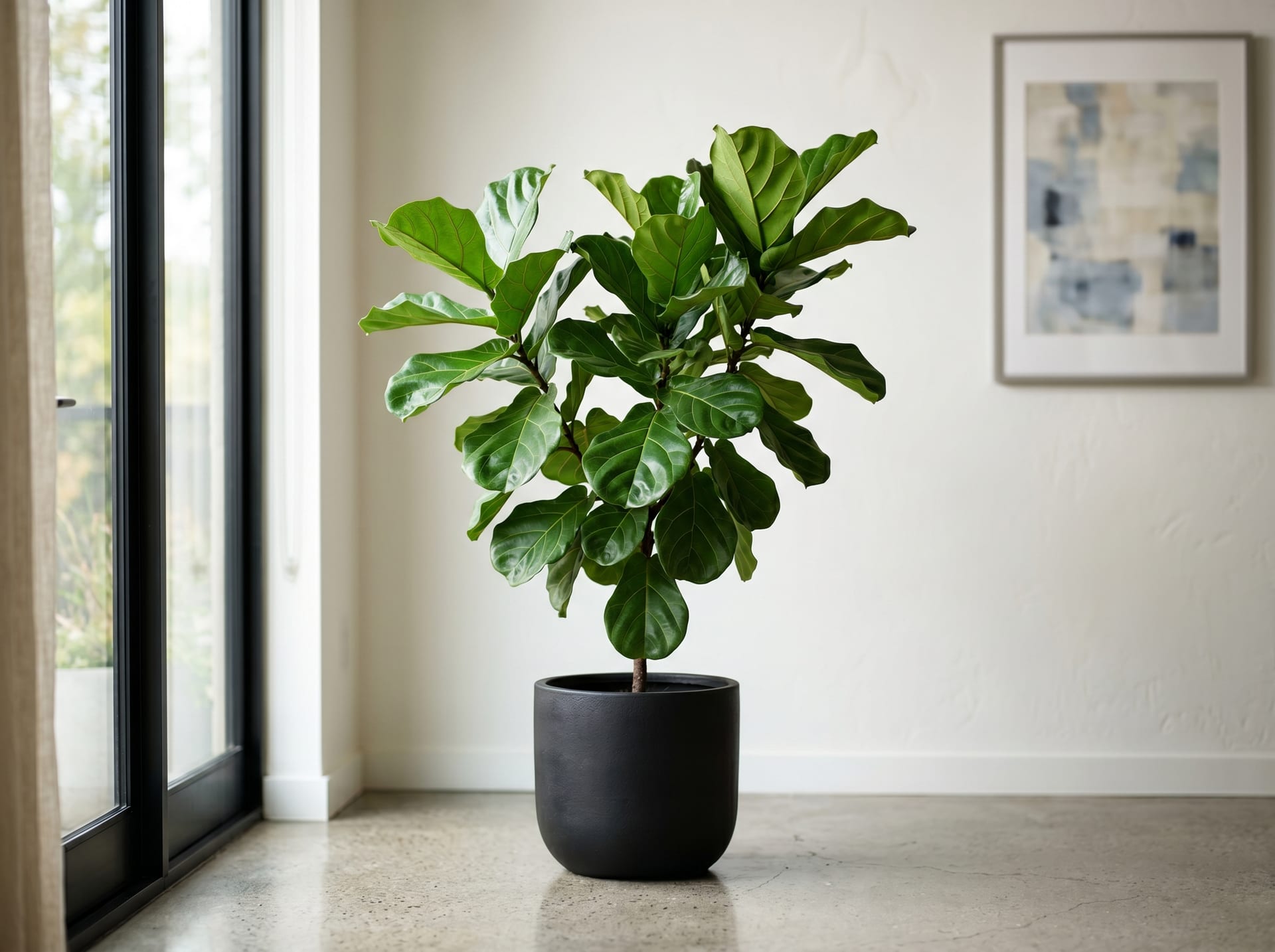
榕樹
Ficus (rubber tree) is a popular houseplant known for its large, glossy leaves that make a striking interior statement. While it tolerates lower light conditions and is relatively easy to grow indoors, it is sensitive to environmental changes and may drop leaves when moved. With a few key care habits, it can be a long-lasting green companion even for beginners.
前 3 筆銷售免佣金!於2026年8月31日前登記生產者→前3筆成交的手續費免費!
栽培者 招募中!
在 ボタちょく 上架,直接銷售給全國的客戶吧!
ボタちょく承諾的 6 項透明性重點
在觀葉植物出品時,栽培者明示下列資訊。確保品種、產地、所需光量和栽培難度的透明度。
- 品種明示
- 實物照片
- 色澤
- 產地明示
- 所需光量
- 難度明示
Browse all 16 varieties
觀葉植物分類正在招募認證栽培者
栽培者正在陸續註冊,即將上架。設定上架通知,不錯過新商品。
「接收上架通知」需免費註冊會員即可設定。當有符合您儲存條件的新商品上架時,我們會以郵件和站內通知提醒您。
已註冊的栽培者(搶先看)
關於榕樹
Ficus elastica is an evergreen tree of the Moraceae family, native to tropical Asia spanning northeast India to Indonesia. Historically cultivated for rubber production — hence its common name "rubber plant" — it has been cherished as a houseplant worldwide since its introduction to Europe in the 19th century. In the wild it can exceed 30 meters in height, but with proper management indoors it is easily kept between one and three meters. Its most striking feature is the large, oval leaf with a deep green color and a polished, waxy sheen that simultaneously adds presence and freshness to any interior. Cultivars offer a range of leaf tones, from dark green and burgundy to cream-variegated forms. Ficus is relatively robust, often noted for its air-purifying qualities, though it requires mindfulness around its latex sap and its sensitivity to environmental change. It is a dependable, statement-making green companion for the long term.
開始照料榕樹前需要了解的7件事
1Choose Its Spot Carefully
Ficus often drops many leaves when relocated due to the stress of environmental change. Choose a permanent spot from the start — ideally near a window with bright indirect light. Avoid placing it directly in front of air conditioner vents or heating sources.
2Avoid Overwatering
The basic rule is to water thoroughly 2–3 days after the soil surface dries out. Keeping the soil constantly moist leads to root rot, which is difficult to recover from. In winter, growth slows down, so reduce watering frequency accordingly.
3Watch Out for Sap Irritation
The white sap released when pruning or when a leaf breaks can cause skin irritation or inflammation upon contact. Always wear rubber gloves when handling and wash your hands thoroughly afterward. Consider placement carefully if you have small children or pets at home.
4Bright Indirect Light Is Ideal
Direct sunlight can scorch the leaves, so bright light filtered through a sheer curtain is ideal. In very dark spots, leaf color fades and stems stretch out, ruining the plant's shape. Variegated varieties in particular require more light than solid-green types.
5Sensitive to Cold and Dry Air
As a tropical plant, ficus is vulnerable below 10°C — leaves can be damaged or drop in cold conditions. During winter, keep it away from cold drafts near windows and maintain a room temperature above 15°C. Misting the leaves helps maintain their shine in dry heated rooms.
6Wipe the Leaves Regularly
Large leaves accumulate dust easily, which can hinder photosynthesis. Gently wipe the leaf surface with a soft damp cloth once or twice a month to keep the plant healthy. Use this opportunity to check the undersides of leaves for early signs of pests such as spider mites or scale insects.
7Repotting and Fertilizing
When roots begin emerging from the drainage holes, it is time to repot — spring to early summer is the best season. Move to a slightly larger pot using well-draining soil. Apply a slow-release fertilizer about once a month during the growing season (May to September) to maintain vibrant leaf color.
榕樹的常見問題
- Q.Can ficus grow in a room with poor natural light?
- A.Ficus tolerates lower light and can survive in dimmer rooms without dying. However, insufficient light may cause pale leaves and leggy growth, so a spot with bright indirect light is ideal. Supplementing with an LED grow light is also an effective option.
- Q.My ficus dropped many leaves after I moved it. What should I do?
- A.This is a natural stress response to environmental change, so try not to panic. Once light, temperature, and humidity stabilize in the new spot, new growth typically emerges within a few weeks to a month. During this period, reduce watering slightly and hold off on fertilizing.
- Q.Is ficus safe to keep in a home with pets?
- A.Ficus leaves and sap can cause digestive symptoms such as vomiting and diarrhea if ingested by dogs or cats. It is advisable to place the plant out of reach or in an area inaccessible to pets. The latex sap can also cause skin irritation in animals, so take care around freshly pruned cut surfaces.
- Q.Why are my ficus leaves turning yellow?
- A.Yellow leaves can result from several causes including overwatering, underwatering, insufficient light, rootbound conditions, or nutrient deficiency. Start by checking soil moisture and the amount of light the plant receives, and correct any extremes. If only a few lower leaves are yellowing, this is likely natural leaf turnover and not a cause for concern.
- Q.How do I keep the leaves looking shiny and glossy?
- A.Dust accumulation dulls the natural gloss, so gently wiping the leaf surface with a soft, damp cloth once or twice a month is effective. A leaf-shine spray can further enhance the luster. Take the opportunity to also check the undersides of leaves for pests at the same time.