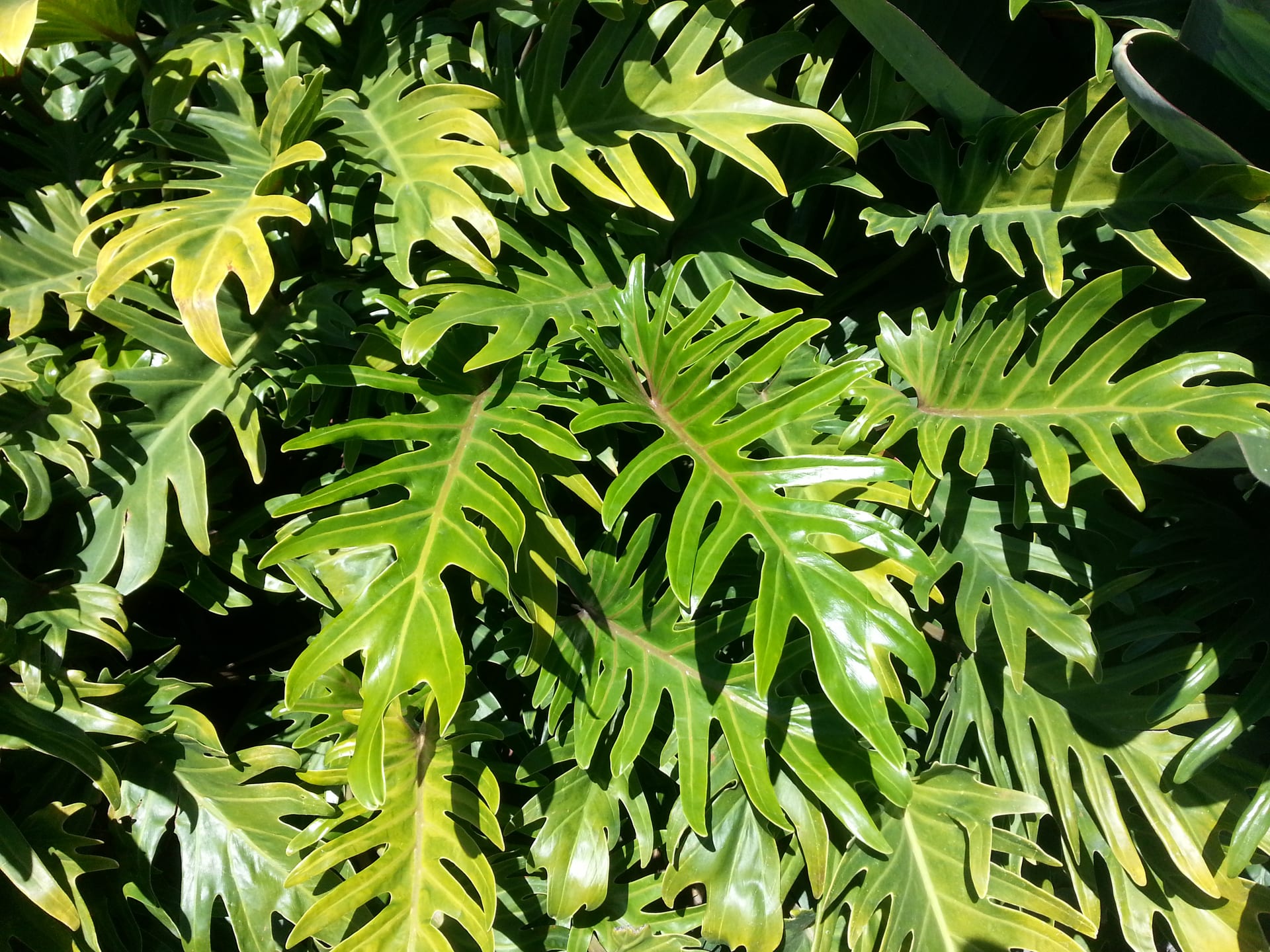
 © Piwaiwaka / CC BY-SA 4.0
莎娜朵蔓綠絨
Kookaburra, better known as Philodendron 'Xanadu', is a medium-sized philodendron packed with glossy, deeply lobed leaves that emerge densely from a central crown, giving it a full, rounded shape rather than a climbing habit. It originated from a specimen found in an Australian nursery and was later described as a wild species. Because it stays bushy instead of vining, it fits neatly into a pot and is considered an easy, beginner-friendly houseplant. Mature plants typically reach 0.9 to 1.5 m in both height and spread, with individual leaves growing up to 40 cm long and 30 cm wide, making it a striking presence in any bright room.
View 莎娜朵蔓綠絨 encyclopedia →成交手續費 0%!2026年9月30日前註冊,前 2 株免佣金!
生產者 招募中!
在 GrowerDirect 上架,直接銷售給全國的客戶吧!
GrowerDirect承諾的 6 項透明性重點
在觀葉植物出品時,生產者明示下列資訊。確保品種、產地、所需光量和栽培難度的透明度。
- 品種明示
- 實物照片
- 色澤
- 產地明示
- 所需光量
- 難度明示
查看全部139個品種
觀葉植物分類正在招募認證生產者
生產者正在陸續註冊,即將上架。設定上架通知,不錯過新商品。
「接收上架通知」需免費註冊會員即可設定。當有符合您儲存條件的新商品上架時,我們會以郵件和站內通知提醒您。
已註冊的生產者(搶先看)
莎娜朵蔓綠絨的基本資料
- 栽培難度
- 適合新手
- 壽命
- 多年生植物
- 體型
- 高度和寬度均為0.9〜1.5m。葉片長度達40cm、寬度達30cm
- 適宜溫度
- 18〜24℃
- 澆水
- 生長期施用緩釋肥料
- 日照和擺放位置
- 室內需要明亮的間接光。戶外在日光充足至半蔭環境均可生長。
- 澆水
- 澆水過多會導致葉片發黃,應在表土乾燥後再澆水。
- 溫度和越冬
- 室內適宜溫度為18〜24℃左右。冬季應在溫暖的室內管理,避免霜凍。
- 土壤和換盆
- 使用富含有機質且排水良好的土壤,盆栽每1〜2年換盆一次。
- 繁殖方法
- 可通過分株進行繁殖。
- 病蟲害和注意事項
- 注意蚜蟲、粉介殼蟲、介殼蟲、薊馬、葉蟎以及過濕導致的葉斑病。天南星科植物,含有不溶性草酸鈣,咀嚼會導致口腔和嘴唇劇痛、腫脹、流涎、嘔吐和吞嚥困難。樹液可能導致皮膚過敏,應置於寵物和幼小兒童無法接觸的地方,操作時應戴手套。
關於莎娜朵蔓綠絨
Kookaburra (Philodendron 'Xanadu') is a medium-sized, easy-care houseplant with glossy, deeply lobed leaves clustering densely into a full, rounded shape well suited to beginners.
開始照料莎娜朵蔓綠絨前需要了解的7件事
1Light & Placement
Kookaburra prefers bright, indirect light, similar to what filters through a sheer curtain. Direct sun, especially strong afternoon light, can scorch the leaves, so keep it out of harsh rays.
2Watering Basics
Let the top layer of soil dry out before watering thoroughly. Soil that stays soggy for long periods can lead to root rot, so avoid letting water sit in the saucer.
3Well-Draining Soil
Mix perlite or bark chips into a standard houseplant potting mix to improve drainage and keep roots healthy. A ready-made aroid mix works well too.
4When to Repot
Repot once roots start showing at the drainage holes or water begins draining slowly. Moving up one pot size in spring or early summer, during the active growing season, puts the least stress on the plant.
5Seasonal Care
During the growing season from spring through autumn, a bright, partly shaded spot outdoors helps it grow compact and full. As temperatures drop, bring it into a warm room and water less often to let it rest.
6Choosing a Healthy Plant
Look for leaves with deep, well-defined lobes and glossy color, a sign of a well-established plant. Check that the leaf tips aren't dried out and that the stem base feels firm.
7Planning for Its Adult Size
Kookaburra grows to roughly 0.9 to 1.5 m in both height and spread, with large spreading leaves, so give it room to fill out. Once it gets bushy, moving it somewhere with good airflow helps prevent excess moisture buildup.
莎娜朵蔓綠絨的常見問題
- Q.Is Kookaburra suitable for beginners?
- A.Yes, it's generally considered an easy, beginner-friendly plant. As long as you follow basic watering habits and give it bright, indirect light, it grows without major trouble.
- Q.How big does it grow?
- A.It typically reaches about 0.9 to 1.5 m in both height and spread. Individual leaves can grow up to 40 cm long and 30 cm wide.
- Q.What's the difference between Kookaburra and Philodendron 'Xanadu'?
- A.Kookaburra is simply a common trade name for Philodendron 'Xanadu' — they're the same plant. It's known for its dense, glossy, deeply lobed leaves.
- Q.Is it a climbing plant? Does it need a stake?
- A.No, it doesn't vine or climb; it grows leaves densely from a central crown into a full, rounded shape. Because of this, stakes or trellises generally aren't needed.
- Q.Why are the leaves turning yellow?
- A.This is usually caused by overwatering leading to root rot, or leaf scorch from direct sunlight. Check how quickly the soil is drying out and reconsider how much direct light the spot gets.
莎娜朵蔓綠絨栽培的實用工具
在圖鑑中詳細了解莎娜朵蔓綠絨
查看莎娜朵蔓綠絨的圖鑑條目 →
收錄栽培難度、尺寸、原產地、日照等基礎資料。