跳轉到主要內容
虎尾蘭

虎尾蘭

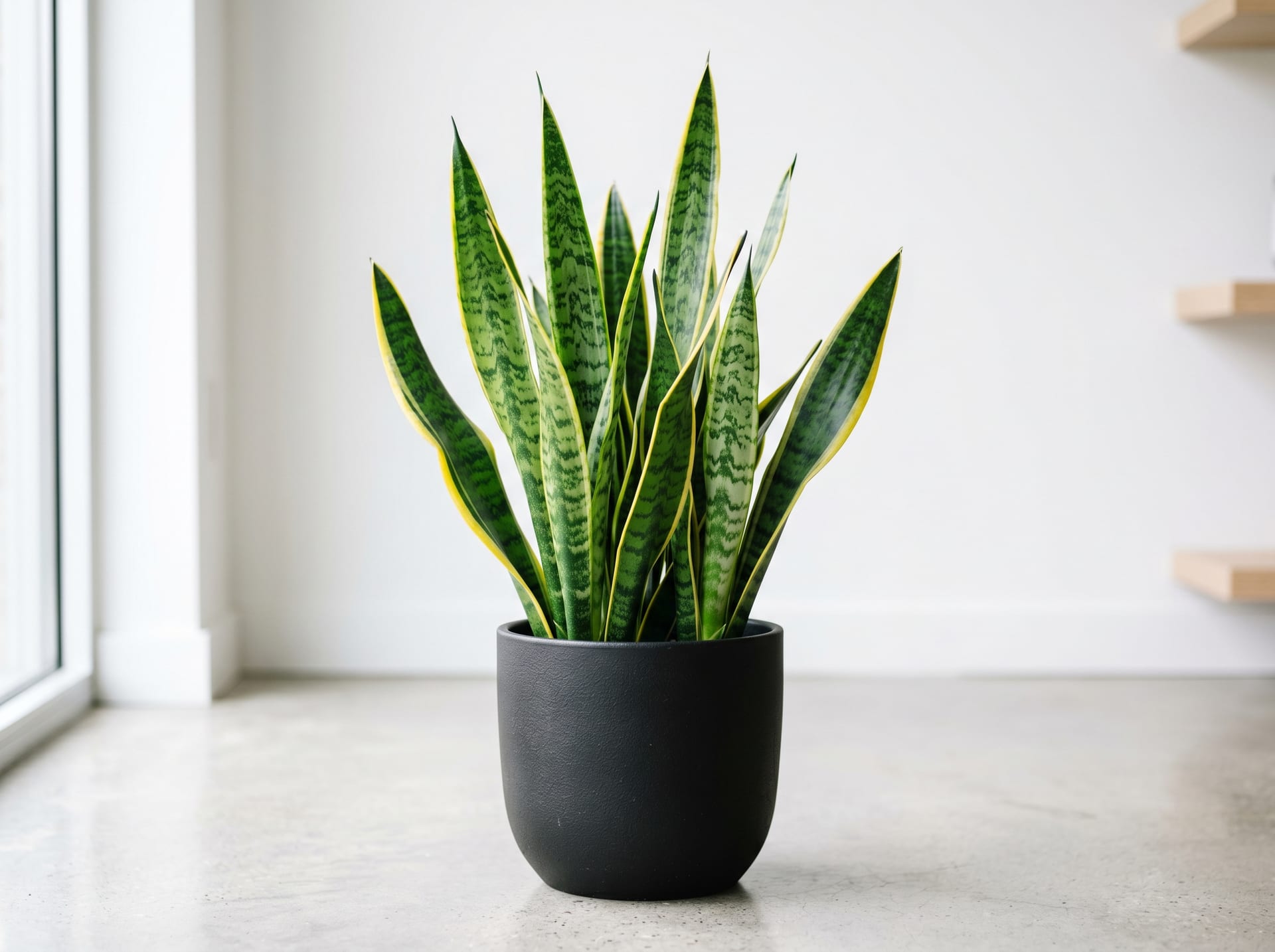
Sansevieria is a succulent native to Africa, prized for its striking upright leaves and remarkable tolerance for drought and low light, making it ideal for beginners. Its bold yet minimalist form fits seamlessly into any interior style.

限時優惠

前 3 筆銷售免佣金!於2026年8月31日前登記生產者→前3筆成交的手續費免費!

栽培者 招募中!

在 ボタちょく 上架,直接銷售給全國的客戶吧!

免費註冊無月費僅在銷售時收取佣金
立即免費註冊

ボタちょく承諾的 6 項透明性重點

在觀葉植物出品時,栽培者明示下列資訊。確保品種、產地、所需光量和栽培難度的透明度。

  • 品種明示
  • 實物照片
  • 色澤
  • 產地明示
  • 所需光量
  • 難度明示
0 items

觀葉植物分類正在招募認證栽培者

栽培者正在陸續註冊,即將上架。設定上架通知,不錯過新商品。

「接收上架通知」需免費註冊會員即可設定。當有符合您儲存條件的新商品上架時,我們會以郵件和站內通知提醒您。

查看其他分類

已註冊的栽培者(搶先看)

想上架觀葉植物嗎?

註冊成為栽培者,即可與買家直接聯繫。

申請成為栽培者

關於虎尾蘭

Sansevieria is a succulent in the Asparagaceae family, native to West Africa and South Asia. Though once classified under the genus Sansevieria, it has since been reclassified into Dracaena. Its sword-like upright leaves, often patterned with contrasting green tones and horizontal bands, give it a bold architectural presence that suits modern interiors. Different cultivars vary significantly in leaf color, width, and height, offering a wide range of visual options. Originating from arid regions, Sansevieria stores water efficiently in its thick leaves, making it highly tolerant of neglect and irregular watering — a key reason it's recommended for beginners. Its adaptability to varying light conditions, from bright windowsills to dimly lit offices, makes it one of the most versatile houseplants available. Whether placed in a living room, entryway, or workspace, its clean lines and low-maintenance nature make it a lasting favorite for plant enthusiasts at every level.

販售虎尾蘭的精選生産者

查看所有販售虎尾蘭的生産者清單(1件)→

開始照料虎尾蘭前需要了解的7件事

  1. 1Water Sparingly

    As a succulent, Sansevieria is highly susceptible to overwatering. Water only when the soil is completely dry during spring through autumn, and reduce to about once a month in winter. Wrinkled leaves are a reliable signal that it's time to water.

  2. 2Tolerates Low Light

    Sansevieria adapts to a wide range of light conditions, from bright indirect light to moderate shade. However, extremely dark locations can cause etiolation and fading leaf patterns, so a bright indoor spot near a window is ideal.

  3. 3Protect from Cold

    Being native to Africa, Sansevieria is sensitive to cold. Temperatures below 5°C can damage the leaves. Keep it in a location with temperatures above 10°C during winter, away from cold drafts near windows. Never expose it to frost.

  4. 4Use Well-Draining Soil

    Poor drainage leads to root rot, the most common cause of death in Sansevieria. Use cactus/succulent mix or a blend of akadama and leaf mold for good drainage. Adding a layer of drainage stones at the bottom of the pot is also beneficial.

  5. 5Repot Every 2–3 Years

    Sansevieria grows relatively slowly, but once roots fill the pot, drainage deteriorates. When roots emerge from the drainage holes, move it to a slightly larger pot. The best time for repotting is spring to early summer.

  6. 6Easy Propagation

    Sansevieria spreads via underground runners that produce offsets (pups). Once a pup is well-established, gently separate it with its roots and pot it separately. This is a straightforward and reliable propagation method.

  7. 7Fertilize Minimally

    Excessive fertilizer can damage roots and cause weak, elongated growth. During the growing season (spring to autumn), apply a diluted liquid fertilizer once a month. Avoid fertilizing altogether in winter.

虎尾蘭的常見問題

Q.How often should I water Sansevieria?
A.During spring to autumn, water every 2–3 weeks once the soil is fully dry. In winter, once a month is sufficient. Erring on the side of underwatering is safer, as Sansevieria handles drought much better than excess moisture.
Q.Can Sansevieria grow in a room with little sunlight?
A.Sansevieria has reasonable shade tolerance, but complete darkness leads to faded coloring and very slow growth. Ensure at least indirect light or ambient room light from a window to keep it healthy.
Q.Why are the leaves turning yellow?
A.The most common cause is overwatering, which leads to root rot. If yellowing leaves feel soft, stop watering, remove the plant from its pot, and inspect the roots. Blackened roots should be trimmed away; allow the plant to dry before repotting.
Q.Is Sansevieria safe for pets and children?
A.Sansevieria is listed by the ASPCA as toxic to cats and dogs. Ingesting leaves in significant amounts may cause vomiting or diarrhea. It is advisable to place the plant out of reach of pets and small children.
Q.How should I care for Sansevieria in winter?
A.In winter, reduce watering to about once a month and move the plant to a location where temperatures stay above 10°C. Prolonged exposure to cold drafts near windows can damage the leaves, so reposition it away from the glass if needed. Hold off on fertilizing entirely during winter.

虎尾蘭栽培的實用工具

同分類的更多品種