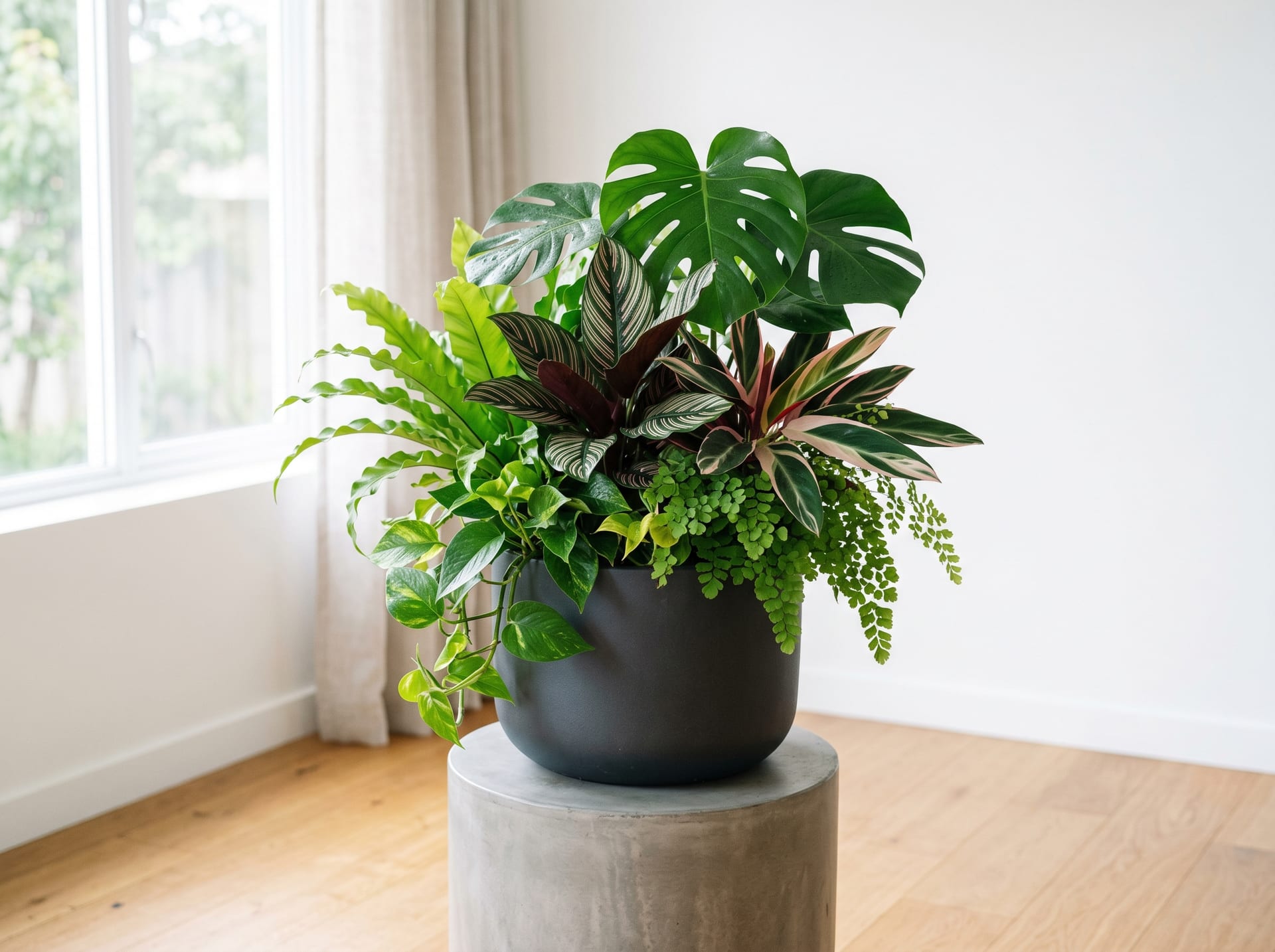
其他觀葉植物
The "Other Houseplants" category encompasses a diverse range of unique varieties that don't fit neatly into mainstream groups, offering fascinating forms, leaf colors, and textures. From beginners to enthusiasts, there's joy in finding a one-of-a-kind green companion. Since care requirements vary widely by species, it's important to research each plant's specific needs before purchasing.
前 3 筆銷售免佣金!於2026年8月31日前登記生產者→前3筆成交的手續費免費!
栽培者 招募中!
在 ボタちょく 上架,直接銷售給全國的客戶吧!
ボタちょく承諾的 6 項透明性重點
在觀葉植物出品時,栽培者明示下列資訊。確保品種、產地、所需光量和栽培難度的透明度。
- 品種明示
- 實物照片
- 色澤
- 產地明示
- 所需光量
- 難度明示
Browse all 16 varieties
已註冊的栽培者(搶先看)
關於其他觀葉植物
"Other Houseplants" is a broad and vibrant category encompassing distinctive species from diverse environments — tropical rainforests, arid deserts, and rocky highlands alike. In recent years, collector-grade plants have surged in popularity worldwide, driven by social media communities celebrating rare leaf shapes, variegation, and unusual textures. Beyond visual appeal, part of the joy lies in mastering each plant's unique rhythm: fine-tuning light exposure, watering intervals, temperature ranges, and soil composition to suit a particular species. The learning process itself is deeply rewarding for plant enthusiasts at every level. Beginners are advised to start with hardier, more forgiving varieties and gradually work up to rarer, more demanding specimens as their confidence and knowledge grow.
販售其他觀葉植物的精選生産者
查看所有販售其他觀葉植物的生産者清單(1件)→開始照料其他觀葉植物前需要了解的7件事
1Care Varies by Species
Since this category covers a wide variety of species, requirements for light, water, and temperature differ significantly from plant to plant. Make a habit of checking the botanical name or cultivar name on the label at purchase, then researching its specific care needs. Applying the same routine to all plants can lead to decline.
2Check Light Needs First
Some plants thrive in bright direct sunlight, while others prefer low-light or shaded conditions. Before choosing a spot, check labels for guidance such as "bright indirect light" or "full sun tolerant." Keep in mind that sunlight intensity changes with the seasons — intense afternoon sun in summer can scorch many varieties.
3Avoid Over- and Underwatering
Root rot from overwatering is one of the most common causes of houseplant death. Some varieties prefer to dry out between waterings, while others like consistently moist soil. As a general rule, water thoroughly until it drains from the bottom, and always empty saucers promptly to prevent waterlogging.
4Temperature and Winter Care
Many houseplants originate from tropical or subtropical regions and can be sensitive to cold. Some varieties suffer damage or stop growing when temperatures drop below 10–15°C (50–59°F). Keep plants away from cold drafts near windows and air conditioning vents, and move them to a warmer indoor spot during winter.
5Choosing Soil and Pots
Commercial potting mix works well for most houseplants, but specialty types like succulents, cacti, or epiphytes may require specific blends. Choose a pot with drainage holes and a size appropriate for the root system. When roots start circling or emerging from the drainage holes, it's time to repot into a slightly larger container.
6Early Pest and Disease Detection
Spider mites, scale insects, and aphids are common pests that affect many houseplants. Regularly inspect the undersides of leaves and stem bases for early signs of infestation. In the early stages, simply wiping with a damp cloth can often resolve the issue — acting quickly prevents more serious damage.
7Ask the Grower Before Buying
When buying rare or lesser-known plants, take full advantage of purchasing directly from a grower who can answer your questions firsthand. Ask about light requirements, watering frequency, ideal temperatures, and any quirks specific to that particular plant. Having ongoing support from the grower after purchase is especially reassuring for beginners.
其他觀葉植物的常見問題
- Q.Are there varieties suitable for beginners?
- A.Yes, many varieties in this category are quite resilient and easy to manage. Choosing plants that tolerate irregular watering or variable light conditions reduces the chance of failure. When purchasing, it's always helpful to ask the seller whether the variety is beginner-friendly.
- Q.Can these plants be grown entirely indoors?
- A.Most varieties are well-suited for indoor growing. However, insufficient light can slow growth or cause leggy, stretched stems. Placing plants near a bright window or supplementing with a grow light can make a significant difference.
- Q.Are these plants toxic to pets or children?
- A.Toxicity varies considerably by species. Some plants contain calcium oxalate crystals that can irritate the mouth and digestive tract, posing a risk to pets and young children. Research the toxicity of any specific variety before purchasing, and keep plants out of reach if needed.
- Q.Where can I find rare varieties?
- A.Specialty plant shops, direct sales from growers, plant markets, and online platforms are the main sources. Buying directly from a breeder or grower makes it easier to assess plant health and get care advice. Rare varieties have limited availability, so it's worth inquiring early when a specific plant catches your eye.
- Q.When should I repot these plants?
- A.Signs that repotting is needed include roots emerging from drainage holes or soil drying out unusually fast. Generally, repotting every one to two years in spring before the growing season is a good guideline. Handle roots gently and move the plant into a slightly larger pot with fresh soil mix.