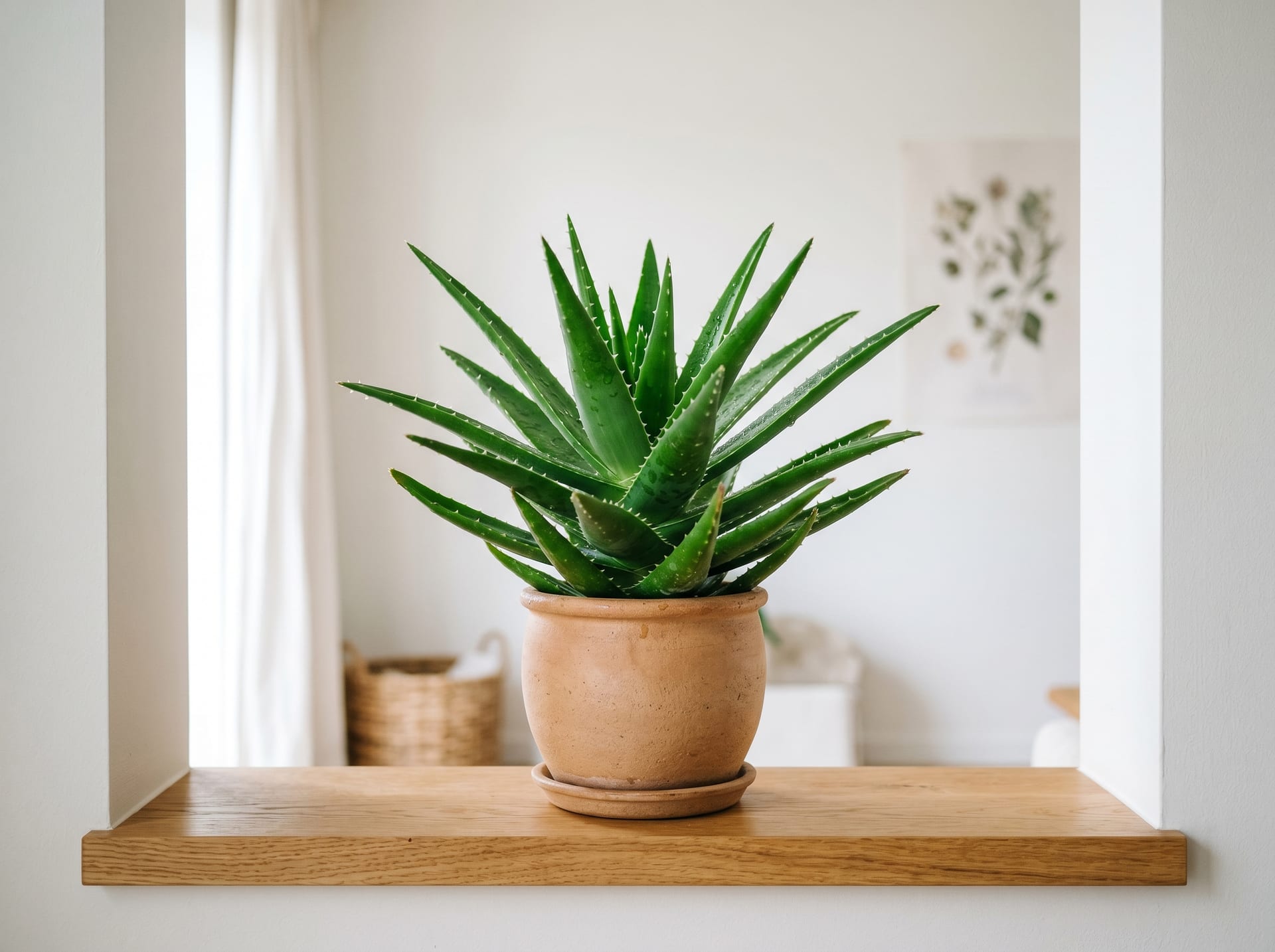
蘆薈
Succulent known for medicinal and edible uses. Aloe vera most famous. Hardy, fast-growing, recommended for beginners.
View 蘆薈 encyclopedia →前 3 筆銷售免佣金!於2026年8月31日前登記生產者→前3筆成交的手續費免費!
栽培者 招募中!
在 ボタちょく 上架,直接銷售給全國的客戶吧!
ボタちょく承諾的 6 項透明性重點
栽培者在多肉植物與仙人掌出品時明示以下資訊。保證品種、產地、所需光量、栽培難度的透明度。
- 品種明示
- 實物照片
- 色澤
- 產地明示
- 所需光量
- 難度明示
Browse all 17 varieties
多肉植物與仙人掌分類正在招募認證栽培者
栽培者正在陸續註冊,即將上架。設定上架通知,不錯過新商品。
「接收上架通知」需免費註冊會員即可設定。當有符合您儲存條件的新商品上架時,我們會以郵件和站內通知提醒您。
已註冊的栽培者(搶先看)
蘆薈的基本資料
- 栽培難度
- 適合新手
- 壽命
- 10+ years
- 體型
- 10cm-1m (varies by variety)
- 適宜溫度
- 5〜35℃
- Sunlight
- Bright location. Direct sunlight OK
- Watering
- 2-3 times monthly. Very drought-tolerant
- Uses
- Aloe vera can be eaten and applied to skin
- Propagation
- Easy propagation via offsets
- Notes
- Some varieties grow very large
關於蘆薈
Aloe originates from southern Africa and Madagascar, with a history stretching back to ancient Egypt and Greece, where it was documented as a medicinal plant. Today, more than 500 species are recognized, ranging from compact varieties that fit in the palm of your hand to tree-like giants several meters tall. Most feature thick, sword-shaped leaves edged with serrated spines, in colors spanning green, blue-green, and silvery-gray depending on the cultivar. The greatest appeal of growing aloe is its exceptional toughness — it can endure forgotten waterings, thrives with minimal attention, and readily produces offshoots as it grows. Its bold, architectural silhouette makes it a popular accent in modern interiors and outdoor arrangements alike. With a lifespan well exceeding ten years, aloe is a long-term companion plant that rewards even the most casual gardener.
販售蘆薈的精選生産者
查看所有販售蘆薈的生産者清單(1件)→開始照料蘆薈前需要了解的7件事
1Water Sparingly
Aloe stores water in its thick leaves, so it prefers to dry out between waterings. A good rule is to water every two to three weeks in spring and summer, and even less frequently in winter. Overwatering is the leading cause of root rot, so always let the soil dry completely before watering again.
2Light and Placement
Aloe thrives in bright light and does best near a window that receives several hours of direct sun each day. However, sudden exposure to intense summer sun can cause leaf scorch, so acclimate the plant gradually. If moving outdoors, start in a spot with partial shade and increase sun exposure over several weeks.
3Soil and Pot Selection
Use a well-draining succulent or cactus mix to keep roots healthy. Terracotta or unglazed clay pots are ideal because they allow the soil to breathe and dry out faster. When roots begin to emerge from the drainage holes, it is time to repot into a slightly larger container.
4Cold Tolerance and Winter Care
Most aloe varieties are sensitive to temperatures below 5 to 10 degrees Celsius and can be damaged or killed by frost. In mild climates they may overwinter outdoors, but in colder regions it is safer to bring them inside. Keeping the soil very dry during winter also helps the plant tolerate cooler conditions.
5Fertilize Lightly
Aloe grows well even in nutrient-poor soil, so over-fertilizing can actually harm the roots. During the growing season from spring to autumn, apply a diluted succulent fertilizer at half the recommended strength once a month. Stop fertilizing entirely during the dormant winter period.
6Managing Offsets (Pups)
As aloe matures it produces small offsets, called pups, around the base of the plant. These can be gently separated and potted individually, making propagation straightforward and a great way to share plants with others. After removing a pup, allow the cut surface to callous for a day or two before planting to reduce the risk of rot.
7Variety and Appearance
With over 500 recognized species, aloe offers a remarkable range of forms. Aloe vera is the most familiar, with broad fleshy leaves, while Aloe arborescens grows taller with slender branching stems. Tree-forming types develop a distinctive trunk over time. Choosing a variety that matches your space and interior style will help you enjoy the plant for many years.
蘆薈的常見問題
- Q.Can aloe be grown indoors?
- A.Yes, aloe grows well indoors near a bright window. A south- or east-facing windowsill is ideal; filtered light through a sheer curtain also works. However, very low light causes etiolation — weak, stretched growth — so choose the brightest spot available.
- Q.Why are my aloe's leaves turning brown?
- A.The most common causes are overwatering, sunscorch, or cold damage. If the soil stays constantly moist, suspect root rot — reduce watering and allow the soil to dry out fully. Intense summer sun and temperatures below 5°C can also damage the leaves.
- Q.How does Aloe vera differ from other aloe varieties?
- A.Aloe vera is the most well-known variety, notable for the abundant clear gel inside its leaves. Other popular varieties include Aloe arborescens (tree aloe), prized in Japan for its traditional use; the beautifully variegated Aloe 'Snow Flake'; and the compact, beginner-friendly Aloe haworthioides.
- Q.How often does aloe need to be repotted?
- A.Every two to three years is a general guideline. Signs that repotting is needed include roots emerging from drainage holes and the plant becoming too large for its pot. Spring (April–June) is the best time; use a pot one size up and fresh succulent-specific potting mix.
- Q.When and how should I remove aloe offshoots?
- A.Offshoots can be separated once they reach 5–10 cm and have developed their own roots. Use a clean knife or scissors to cut the connection with the parent plant, then let the cut end dry for a few days before potting. Combining this step with your regular repotting minimizes stress to both plants.
蘆薈栽培的實用工具
Learn more about 蘆薈 in the encyclopedia
View 蘆薈 encyclopedia entry →
Care difficulty, size, origin and light needs — all basics covered.