跳轉到主要內容
其他多肉植物

其他多肉植物

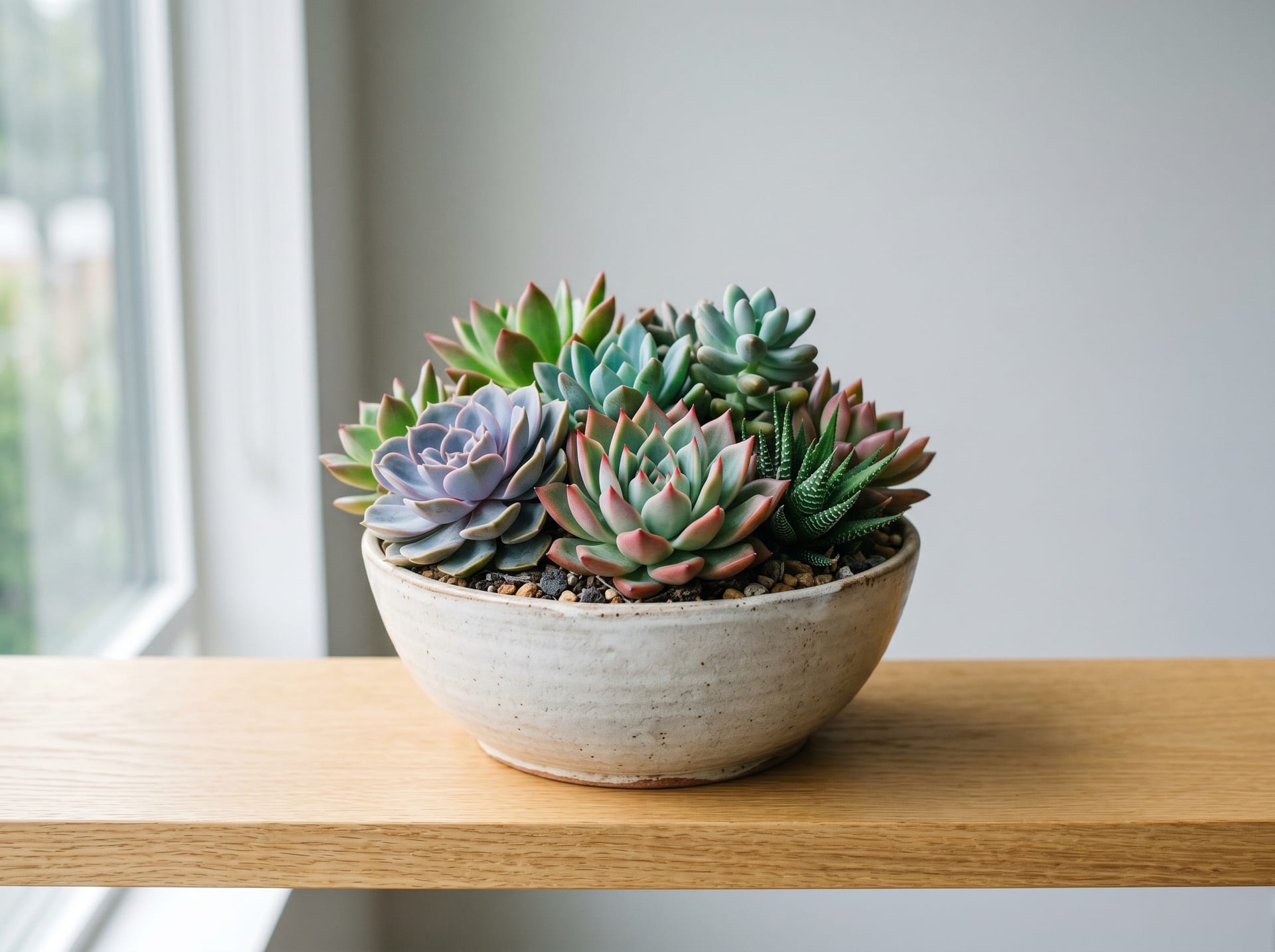
The "Other Succulents" category encompasses a diverse range of succulent plants beyond popular types like Echeveria and Haworthia, featuring unique shapes and colors. Many are relatively easy to care for due to their drought tolerance, making them enjoyable for beginners and experienced growers alike. Their rarity and collectibility make them especially appealing to enthusiasts.

限時優惠

前 3 筆銷售免佣金!於2026年8月31日前登記生產者→前3筆成交的手續費免費!

栽培者 招募中!

在 ボタちょく 上架,直接銷售給全國的客戶吧!

免費註冊無月費僅在銷售時收取佣金
立即免費註冊

ボタちょく承諾的 6 項透明性重點

栽培者在多肉植物與仙人掌出品時明示以下資訊。保證品種、產地、所需光量、栽培難度的透明度。

  • 品種明示
  • 實物照片
  • 色澤
  • 產地明示
  • 所需光量
  • 難度明示
0 items

多肉植物與仙人掌分類正在招募認證栽培者

栽培者正在陸續註冊,即將上架。設定上架通知,不錯過新商品。

「接收上架通知」需免費註冊會員即可設定。當有符合您儲存條件的新商品上架時,我們會以郵件和站內通知提醒您。

查看其他分類

已註冊的栽培者(搶先看)

想上架多肉植物與仙人掌嗎?

註冊成為栽培者,即可與買家直接聯繫。

申請成為栽培者

關於其他多肉植物

Other succulents is a broad and diverse category encompassing the wide variety of succulent plants outside the popular Echeveria, Haworthia, and Aloe genera. Originating from arid and semi-arid regions across the globe — including Africa, Central and South America, and Madagascar — each genus has evolved its own unique strategy for storing water. Their appearances are remarkably varied: stone-mimicking Lithops, large rosette-forming Agaves, columnar or globular cacti, and thread-producing Sedums all find a home here, showcasing the astonishing diversity of plant form. While good drainage and careful moisture management are common requirements, growth cycles differ — summer-growing, winter-growing, and spring/autumn-growing types each demand tailored care, making species-level knowledge the key to success. Whether you enjoy hunting for rare specimens, experimenting with leaf propagation, or simply displaying an eclectic collection on a windowsill, this is a deeply rewarding category for growers at every level.

販售其他多肉植物的精選生産者

查看所有販售其他多肉植物的生産者清單(1件)→

開始照料其他多肉植物前需要了解的7件事

  1. 1Provide Adequate Light

    Most succulents thrive in bright sunlight. Place them near a sunny window indoors, and consider outdoor sunlight exposure when possible. Insufficient light often leads to etiolation, where stems stretch and become weak.

  2. 2Avoid Overwatering

    Overwatering is one of the most common causes of failure with succulents. Water only after the soil has completely dried out, following a "dry management" approach. Adjust watering frequency according to the growing season and dormancy period.

  3. 3Soil and Pot Selection Matter

    Use well-draining soil specifically formulated for succulents or cacti. Pots made from breathable materials like terracotta help prevent root rot. Avoid pots without drainage holes, as standing water can quickly cause problems.

  4. 4Understand the Dormancy Period

    Succulents have different growth cycles — summer type, winter type, or spring/autumn type — varying by species. During dormancy, drastically reduce watering and avoid forcing growth. Always confirm the growth type of a variety when purchasing.

  5. 5Watch Out for Humidity and Heat

    Many succulents are sensitive to high humidity and heat, and rot from excess moisture is common during the rainy season and summer. Moving plants to a sheltered, well-ventilated spot away from rain helps prevent damage. For indoor plants, use a fan or air circulator to improve airflow.

  6. 6Check Cold Hardiness

    Cold hardiness varies greatly between species — some tolerate frost while others do not. Even winter-type varieties can be damaged by extreme cold, so consider bringing plants indoors when temperatures drop below 5°C (41°F).

  7. 7Propagate via Leaf Cuttings

    Many succulents can be easily propagated through leaf cuttings, division, or stem cuttings. Simply let a removed leaf dry out, then place it on soil — roots and new growth often appear on their own. Success rates vary by species, so experimenting is part of the fun.

其他多肉植物的常見問題

Q.Are there varieties suitable for beginners?
A.Sedums and Crassula species are robust and forgiving of minor watering mistakes, making them well-suited for beginners. Choosing varieties labeled as easy to grow at the time of purchase will help reduce the likelihood of failure.
Q.Can succulents be grown indoors only?
A.Indoor cultivation is possible if sufficient light is available, but light through a window alone is often inadequate. Supplementing with a grow light helps prevent etiolation and keeps plants healthy. Light requirements vary by species, so it is worth checking before placing a plant indoors.
Q.How often should I water succulents?
A.During the growing season (spring through autumn), watering once every one to two weeks after the soil has completely dried out is a general guideline. In the winter dormancy period, reduce to once a month or less; some varieties prefer no water at all. Adjust based on temperature, humidity, and pot size.
Q.Can they be propagated by leaf cuttings or division?
A.Many varieties can be propagated by leaf cuttings, stem cuttings, or division. Leaf propagation works well for Sedums and Echeveria relatives — simply allow the cut end to callous over, then place it on soil to root. Suitability varies by genus, so choose the method appropriate for the specific variety.
Q.What should I do if root rot occurs?
A.Cut away the rotted roots with clean scissors, allow the cut ends to dry out, then repot in fresh, well-draining soil. Withhold water for a period afterward to allow the roots to recover. Early detection and prompt action are the keys to saving the plant.

其他多肉植物栽培的實用工具

同分類的更多品種