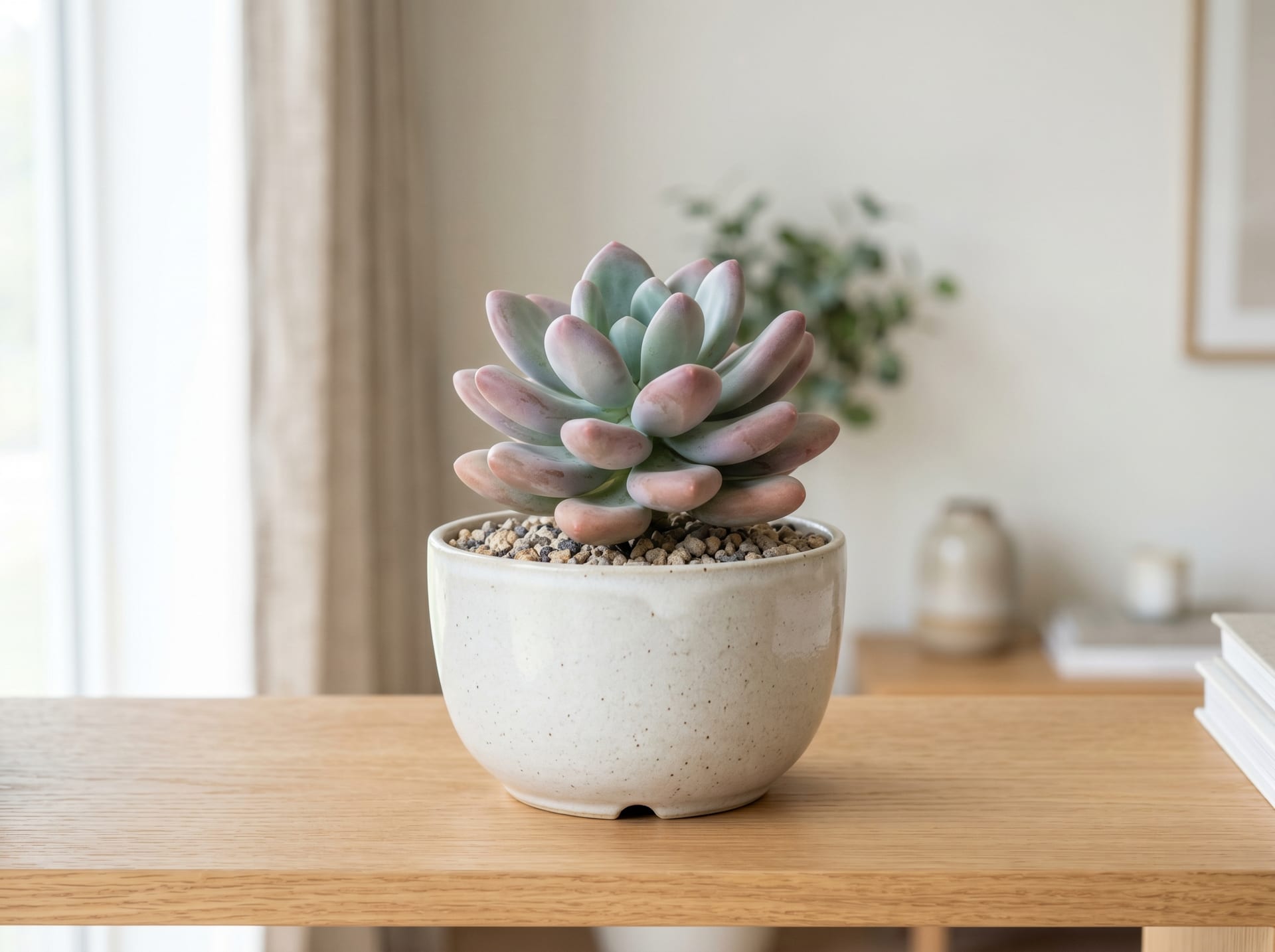
厚葉草/景天系
Pachyveria (Pachyphytum x Graptosedum hybrids) are succulent plants born from crosses between Pachyphytum and Graptopetalum, prized for their plump, rounded leaves dusted with a soft powdery coating. Their excellent drought tolerance makes them a forgiving choice for beginners venturing into succulents. Seasonal color changes and attractive blush tones add extra visual appeal throughout the year.
前 3 筆銷售免佣金!於2026年8月31日前登記生產者→前3筆成交的手續費免費!
栽培者 招募中!
在 ボタちょく 上架,直接銷售給全國的客戶吧!
ボタちょく承諾的 6 項透明性重點
栽培者在多肉植物與仙人掌出品時明示以下資訊。保證品種、產地、所需光量、栽培難度的透明度。
- 品種明示
- 實物照片
- 色澤
- 產地明示
- 所需光量
- 難度明示
Browse all 17 varieties
多肉植物與仙人掌分類正在招募認證栽培者
栽培者正在陸續註冊,即將上架。設定上架通知,不錯過新商品。
「接收上架通知」需免費註冊會員即可設定。當有符合您儲存條件的新商品上架時,我們會以郵件和站內通知提醒您。
已註冊的栽培者(搶先看)
關於厚葉草/景天系
Pachyveria hybrids are a group of cultivated crosses between the Mexican genera Pachyphytum and Graptopetalum. Inheriting the best traits of both parents, their thick, chubby leaves are coated in a waxy white bloom that catches the light with a silver or pale-pink sheen. The tidy rosette form is as ornamental indoors as it is in the garden. These plants are notably tough and drought-resistant, making them manageable even for busy owners or first-time succulent growers. One of their standout features is seasonal color change: when exposed to cool nights and reduced watering in autumn and winter, the leaves flush pink, rose, or purple—a display that varies beautifully by cultivar. Easy propagation through leaf cuttings and the wide diversity of available hybrids make this group a favorite among collectors worldwide.
開始照料厚葉草/景天系前需要了解的7件事
1Water Sparingly
Overwatering is the number one risk for Pachyveria hybrids, as they are highly susceptible to root rot. During the growing seasons of spring and autumn, water only after the soil has fully dried out, then wait a few extra days. In summer and winter, reduce watering to once or twice a month.
2Sunlight Shapes Beauty
Adequate sunlight keeps leaves compact and enhances their color. A bright windowsill or an outdoor spot with half-day to full sun is ideal. Insufficient light causes etiolation—stems stretch and the characteristic plumpness is lost.
3Watch for Summer Heat
Intense midsummer sun can scorch leaves, so use shade cloth or move plants to bright indirect light during peak heat. High humidity combined with heat also promotes rot, making good air circulation essential throughout the summer months.
4Color Change Needs Stress
When temperatures swing between warm days and cool nights in autumn and winter, leaves blush pink, red, or purple. Reducing water and exposing plants to cool overnight temperatures enhances coloration. Avoid frost and temperatures below 0°C, which can cause serious damage.
5Choose Fast-Draining Soil
Commercial cactus and succulent potting mix works well straight from the bag. For extra drainage, blend in 20–30% perlite, pumice, or small akadama particles. Avoid clay-heavy or moisture-retentive soils, which dramatically increase root rot risk.
6Easy Leaf Propagation
Gently twist a healthy leaf free from its base and lay it on dry soil—roots and a new rosette will sprout on their own. Wait until roots are visible before beginning light watering. Leaf propagation is highly reliable and one of the most rewarding aspects of growing succulents.
7Fertilize Lightly in Season
A diluted liquid fertilizer formulated for succulents, applied once a month during the spring and autumn growing seasons, is all that is needed. Excess fertilizer causes leggy growth and washed-out leaf color. Withhold fertilizer entirely during the summer and winter dormant periods.
厚葉草/景天系的常見問題
- Q.Can Pachyveria hybrids be grown indoors?
- A.Yes, they can thrive indoors if given enough light. A south-facing windowsill that receives direct sun for several hours is ideal. Rotating plants outdoors periodically helps prevent etiolation and keeps growth compact.
- Q.The white powder rubbed off the leaves—is that a problem?
- A.The white coating is a natural wax called farina, and once removed it does not grow back. It does not harm the plant's health, but the characteristic appearance is diminished. Handle plants from the underside or by the pot to avoid rubbing it off.
- Q.Can I leave them outside through winter?
- A.In frost-free climates, outdoor wintering is fine. Where temperatures drop below 0°C, bring plants inside or under frost protection. Mild cold (around 5–10°C) is actually beneficial—it triggers the attractive leaf color change the hybrids are known for.
- Q.What type of pot works best?
- A.Unglazed terracotta or breathable ceramic pots with drainage holes are the best choice. Terracotta absorbs excess moisture, significantly reducing root rot risk. Plastic pots work too, but require even more restrained watering since they retain moisture longer.