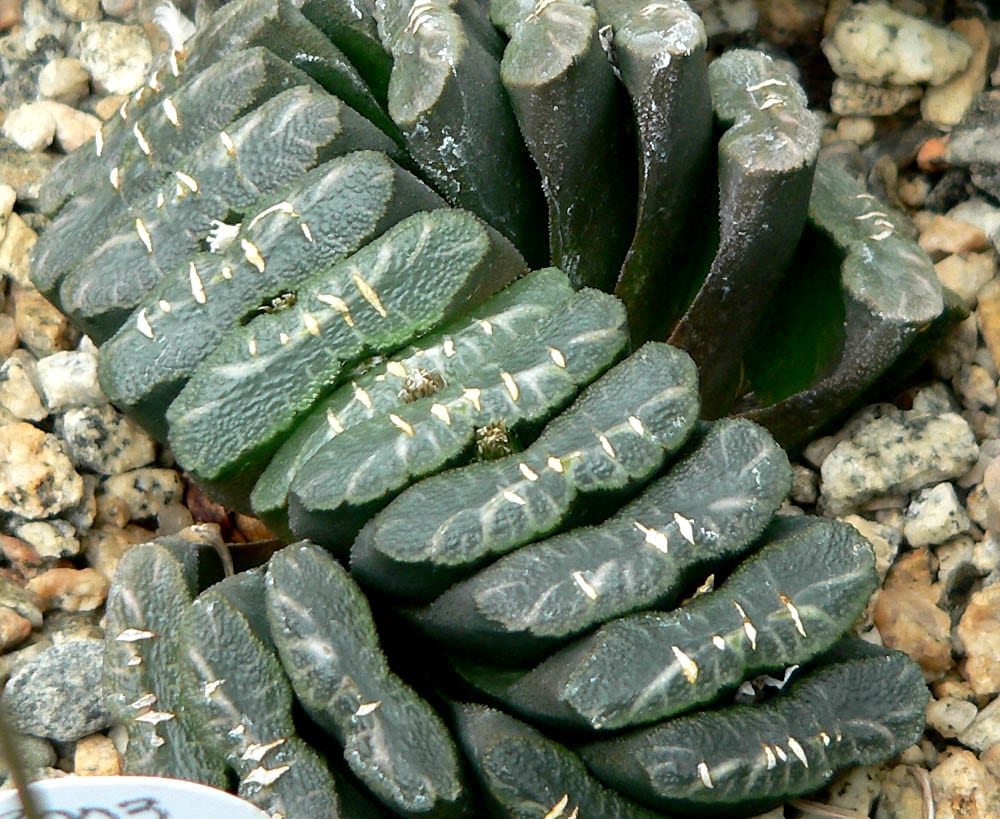
 © Stan Shebs / CC BY-SA 3.0
玉扇
Haworthia truncata (Gyokusen in Japanese) is a succulent whose flat leaves look as if the tips were sliced off with a blade. They are arranged in two neat, fan-shaped rows, and each blunt tip is a translucent "window" marked with fine lines. The plant is stemless and stays in that fan shape as it grows, making it a medium-sized species. Window size and patterning differ from clone to clone, so every plant has its own character. It is considered a plant for intermediate growers because light and watering take a little practice, but it is a long-lived perennial that rewards patient care.
View 玉扇 encyclopedia →成交手續費 0%!2026年9月30日前註冊,前 2 株免佣金!
生產者 招募中!
在 GrowerDirect 上架,直接銷售給全國的客戶吧!
GrowerDirect承諾的 6 項透明性重點
生產者在多肉植物與仙人掌出品時明示以下資訊。保證品種、產地、所需光量、栽培難度的透明度。
- 品種明示
- 實物照片
- 色澤
- 產地明示
- 所需光量
- 難度明示
查看全部131個品種
沒有符合條件的商品
請調整篩選條件,或在有新商品時接收通知。
「接收上架通知」需免費註冊會員即可設定。當有符合您儲存條件的新商品上架時,我們會以郵件和站內通知提醒您。
已註冊的生產者(搶先看)
玉扇的基本資料
- 栽培難度
- 適合中級者
- 壽命
- 長壽的多年生植物(壽命數據稀少)
- 體型
- 無莖的中型種,葉片以扇形排列。窗口大小因克隆而異。
- 澆水
- 在春秋生長期施用稀釋的低氮肥料少量
- 光照與擺放位置
- 不需要強光,全年在明亮的半陰環境下栽培。從陰暗處突然移到直射日光會導致曬傷,夏季尤其要保持涼爽且半陰。
- 澆水
- 春秋型生長植物,在春季(3~6月)和秋季(9~11月)生長。生長期間當介質表面乾燥時充分澆水,炎熱的夏季和寒冷的冬季減少澆水使其休眠。也適合用浸盆法進行底部澆灌。
- 溫度與越冬
- 以最低約5℃為越冬標準。若介質乾燥可耐受短時間的輕霜,但在常有霜凍的地區應移入室內。
- 介質和換盆
- 因為具有粗長的收縮根,應使用深盆種植,用排水良好的砂礫質介質。由於每年都會有部分根系在盆中腐爛,需要經常換盆。
- 繁殖方法
- 可通過分株、葉插、根插和播種繁殖。最佳時期為3~5月和9~10月。若要保持選育品種的相同外形,應採取分株或葉插等從母株繁殖的方法。
- 病蟲害與注意事項
- 易發生根腐,應避免過度潮濕。花朵易生介殼蟲和蚜蟲,根部易生根粉蚧。介質常濕時蕈蚋幼蟲會傷害根系。
關於玉扇
Haworthia truncata has flat, blunt-cut leaves in two fan-shaped rows, tipped with translucent lined windows. A guide to its traits and care for intermediate growers.
開始照料玉扇前需要了解的7件事
1Bright, part shade
Strong direct sun can damage the windows at the leaf tips, so a bright spot in part shade, such as behind a sheer curtain, suits it best. If the light is too dim, the leaves stretch and the tidy fan shape tends to loosen.
2Water after drying
Let the soil dry out completely, then water until it runs out of the drainage hole. Constantly damp soil can damage the roots, so leave clear gaps between waterings. Leaves that begin to lose their firmness are a useful sign that the plant is ready for water.
3Free-draining soil
A free-draining mix made for succulents and cacti is the basic choice. Adding a generous amount of coarse grit, such as pumice, helps keep the roots from staying stuffy and wet.
4Repotting and depth
When the roots fill the pot, it is time to repot, roughly once every one to two years. Do it in spring or autumn while the plant is growing, and wait a few days before watering to reduce the risk of root damage. Set the plant so the leaf bases sit about level with the soil surface, and avoid planting too deep.
5Summer and winter
In the height of summer growth slows, so keep the plant somewhere cool with good airflow and water sparingly. In winter, bring it indoors to a bright spot where it will not freeze, and keep it on the dry side.
6Choosing a plant
Look for firm leaves and windows that keep their translucent clarity. Also check that the leaf bases are not darkened or mushy. Window size and pattern vary by clone, so it helps to compare photos and pick the look you like best.
7Marks and pests
Scratches and sunburn tend to remain visible on the windows, so avoid handling the leaves more than necessary. Poor airflow makes pests such as mealybugs more likely, so check the plant regularly, all the way down to the base.
玉扇的常見問題
- Q.Can a beginner grow Haworthia truncata?
- A.It is rated for intermediate growers because light and watering take some practice. Gaining experience with other succulents first is reassuring, but a beginner can still succeed by letting the soil dry out between waterings.
- Q.Why do the windows turn cloudy or change color?
- A.Common causes include sunburn from strong light and root damage from overwatering. Start by checking how bright the spot is and how often you water, then watch how the plant responds.
- Q.How long does Haworthia truncata live?
- A.It is a long-lived perennial, although reliable sources on its lifespan are limited. Preventing root damage and stuffy, wet conditions is the best way to keep it healthy for years.
- Q.Why do window sizes differ between plants?
- A.Haworthia truncata is a stemless, medium-sized species with leaves in a fan, and window size and pattern vary by clone. If you want a particular look, compare the photos on each listing carefully.
- Q.Can I grow it on an indoor windowsill?
- A.A bright windowsill behind a sheer curtain works well. Still air can leave the plant stuffy and damp, so open the window from time to time to keep the air moving.
玉扇栽培的實用工具
在圖鑑中詳細了解玉扇
查看玉扇的圖鑑條目 →
收錄栽培難度、尺寸、原產地、日照等基礎資料。