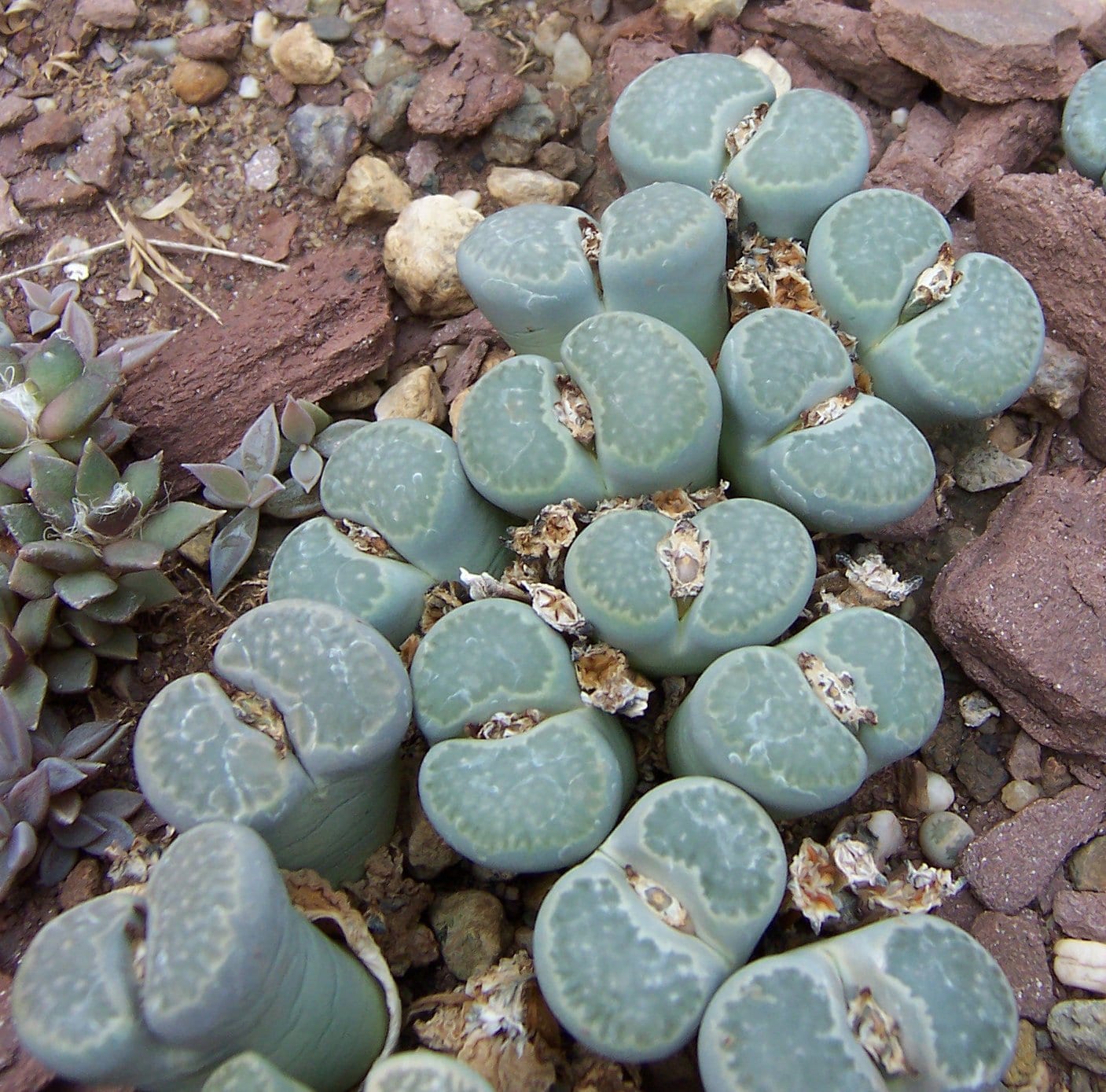
 © Dysmorodrepanis / CC BY-SA 3.0
生產者 招募中!
在 GrowerDirect 上架,直接銷售給全國的客戶吧!
GrowerDirect承諾的 6 項透明性重點
生產者在多肉植物與仙人掌出品時明示以下資訊。保證品種、產地、所需光量、栽培難度的透明度。
- 品種明示
- 實物照片
- 色澤
- 產地明示
- 所需光量
- 難度明示
查看全部131個品種
沒有符合條件的商品
請調整篩選條件,或在有新商品時接收通知。
「接收上架通知」需免費註冊會員即可設定。當有符合您儲存條件的新商品上架時,我們會以郵件和站內通知提醒您。
已註冊的生產者(搶先看)
在品種圖鑑中詳細了解

關於多肉植物
在GrowerDirect的多肉植物分類中,您可以從生產者那裡直接購買景天屬、景天、十二卷屬、伽藍菜等個性十足的多肉植物。由於中間流通環節少,您可以在確認株形緊湊度、葉片狀態和根部情況後再選擇。多肉植物雖然耐乾旱,但對澆水和光照管理需要一些技巧。建議了解其特性後再開始養護。
開始照料多肉植物前需要了解的7件事
1防止日照不足導致的徒長
多肉植物光照不足時,莖會細長,葉片間距增大,植株外形凌亂,形成徒長。一旦細長的部分形成後,無法恢復原狀。基本原則是在光照充足的地方養護,室內時應放在最明亮的窗邊等位置,確保充足的光照,這是保持緊湊、美觀的原始形態的關鍵。
2節制澆水,留出乾燥的時間
多肉植物的葉片和莖中儲存著豐富的水分,因此不需要像其他植物那樣頻繁澆水。應該等到盆土完全乾透後再澆水,然後等待下次乾透的間隔。持續濕潤的環境是導致爛根的最主要原因,所以要謹慎澆水,避免過量。
3使用排水性強的培養土
多肉植物需要排水性好的土壤。一般的觀葉植物用土保水性太強,會導致根部長期保持濕潤,容易爛根。使用市售的多肉植物專用土,或者用小粒赤玉土混合珍珠岩的高排水配方,可以讓澆水後的多餘水分快速排出,使根部健康生長。
4瞭解夏型、冬型等生長週期
多肉植物根據生長週期可分為春秋型、夏型和冬型。景天屬和十二卷屬於春秋型,伽藍菜屬於夏型等,不同種類各有不同。由於生長期和休眠期的澆水量差異很大,瞭解你所購多肉植物屬於哪種生長類型,並根據生長期和休眠期調整管理方式,這是養護好多肉植物的關鍵。
5休眠期應進行少澆水管理
多肉植物在盛夏酷熱和嚴冬時期會進入休眠狀態,生長幾乎停止。在這個時期如果像生長期一樣澆水,根無法吸收水分,容易導致爛根。在休眠期應該大幅減少澆水,讓植物在通風良好、涼爽或溫暖的地方舒適度過,這是為下一個生長期做好準備的重要工作。
6警惕根腐爛和悶根的信號
葉片變得透明柔軟、下層葉片脫落、莖基部發黑等現象都是根腐爛和悶根的信號。一旦發現,應盡早去除受損部分,將植物重新栽種在乾燥清潔的土壤中,往往能夠恢復。保持良好的通風環境,定期觀察植物狀態,可以幫助及時發現問題。
7向生產者確認植物株的狀態和生長環境
Botachoku讓您能夠直接從生產者購買植物。您可以向賣家瞭解植物株的緊湊度、葉片是否受損、是否徒長、根系是否發達等情況。若瞭解植物之前的生長環境(室外或室內養護),將其帶回家後就能更容易地調整光照和澆水,避免因環境驟變而導致的植物衰弱。
多肉植物的常見問題
- Q.初學者也能輕鬆養護的多肉植物有哪些?
- A.景天、風車草和部分易養的石蓮花相對比較容易養護。建議先從容易入手的品種開始,掌握光照和澆水的技巧,之後再挑戰養護難度較大的品種。
- Q.應該多久澆一次水?
- A.基本原則是等土壤完全乾燥後再澆水。生育期乾燥時澆足量,休眠期則大幅減少澆水。不要按固定天數澆水,而應根據土壤乾燥程度和植物的生育週期來判斷。
- Q.莖部伸長,植株顯得疏散。
- A.這是光照不足引起的徒長現象,一旦植株伸長就無法恢復原來的株型。如果需要重新整形,可將伸長的部分剪掉,晾乾切口後進行扦插繁殖,並在更明亮的環境中培育,即可長出緊湊的株型。
- Q.葉片呈半透明狀且變得柔軟。
- A.這往往是澆水過多或通風不良導致根部腐爛的信號。移除受損的葉片和根系,用乾燥的培養土重新種植,並在通風良好的地方保持偏乾,可能會逐步恢復。
- Q.夏季和冬季應如何管理?
- A.許多多肉植物在酷暑和嚴寒時期會進入休眠。休眠期間要大大減少澆水,夏季要注意通風和遮光,冬季要注意保暖,這樣它們才能平穩度過,為生長期做好準備。
多肉植物栽培的實用工具
多肉植物相關專欄
秋冬紅葉培植與著色策略|紅、紫、黑色變色機制與管理技巧
解說透過光照、晝夜溫差、澆水等管理技巧引出多肉植物紅葉。介紹著色失敗的原因及問題排解,以及紅葉美麗的品種選擇。
生石花(活著的寶石)的栽培與增殖~季節管理與分球技巧完全版
在多肉植物中,形態獨特的生石花。需要獨特的季節週期和高度的土壤·水分管理。詳細按類別解釋如何美妙地增殖該植物的專業技巧。
夏型多肉植物的秋季準備管理
解說夏型多肉植物的秋季管理。從9至11月植株發生的變化、分階段減少澆水的時機、由室外移入室內的擺放位置與溫度管理、秋季施肥與病蟲害對策,到依品種的檢查重點,介紹迎接冬季休眠的準備工作。
月兔耳(卡蘭喬·托門托薩)完整栽培指南|保持細毛和邊緣斑點美麗的訣竅
以細毛覆蓋、宛如兔耳般的葉片深受歡迎的月兔耳(卡蘭喬·托門托薩)。本文將說明置放位置、澆水、用土、繁殖方法等,以及保持細毛和葉尖斑點美麗的栽培方法。
多肉植物的粉蚧蟲防治|早期發現・驅除・預防的完整指南
粉蚧蟲易潛伏於多肉植物的葉基部和新芽。本文詳細解說其特徵、發生環境、早期發現訣竅、用棉棒和酒精的驅除方法,以及防止再發的管理習慣。
星球屬的養護方法|透過斷水管理和夏型休眠週期防止根腐爛
解說仙人掌星球屬的養護方法。按季節介紹生育期的澆水和日照管理、休眠期的斷水、春季恢復澆水的時機。