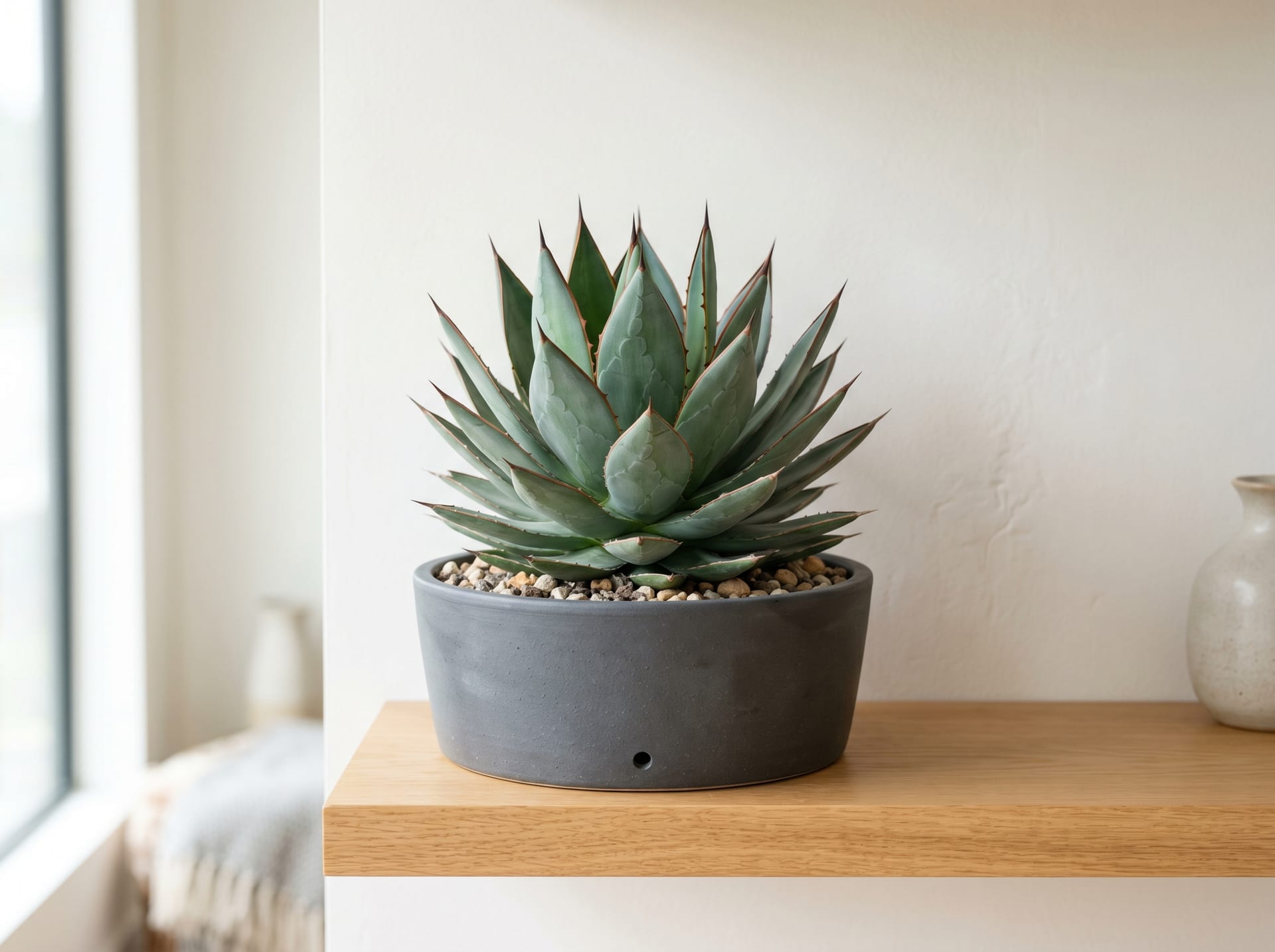
Oteroi
Agave oteroi is an agave from Oaxaca, Mexico, classified out of wild Agave titanota populations. Its broad, bluish-gray leaves are edged with thick, short white-to-cream teeth, giving it a rugged look. It grows slowly and suits intermediate growers, with direct sun and dry-leaning care as the keys to success.
View Oteroi encyclopedia →Grower Wanted!
List your plants on GrowerDirect and sell directly to customers nationwide!
6 Transparency Commitments from GrowerDirect
Every Agave from our Grower includes full transparency: variety, origin, light requirements, and care difficulty.
- Variety Disclosed
- Real Plant Photos
- Color Details
- Origin Disclosed
- Light Requirements
- Care Difficulty
Browse all 141 varieties
Light Requirements
Difficulty Level
No listings match your filters
Adjust your filters, or get notified when new listings arrive.
Getting alerts is free with a member account. When new listings match your saved search, we'll notify you by email and in-app.
Browse other categories
Verified growers (preview)
Oteroi key facts
- Growing Difficulty
- Intermediate
- Lifespan
- 10-20 years
- Size
- 30-60cm
- Temperature
- 0〜40℃
- Light & Placement
- Direct sun is essential all year round. Indoors it needs strong LED grow lights or the rosette will lose its shape.
- Watering
- After soil fully dries. Keep minimal
- Temperature & Overwintering
- The working range is 0-40°C. In winter keep it above 0°C and almost completely dry.
- Soil & Repotting
- Use a very fast-draining mix. The mature rosette is about 40-60 cm across and grows slowly, so repotting every few years is enough.
- Pests & Cautions
- Root rot is the main risk. Avoid excess moisture, keep the plant in a well-ventilated spot, and let the mix dry out fully between waterings.
About Oteroi
Agave oteroi grows wild on limestone rocky slopes in Oaxaca, Mexico, and was classified out of wild Agave titanota populations. Its defining features are its broad, bluish-gray leaves and the thick, short white-to-cream teeth along the margins, which give the plant a rugged, imposing look. The rosette stays compact at roughly 40–60 cm across and grows slowly. It needs direct sun all year round and should be watered sparingly, only after the soil has dried out completely. Rare and prized by collectors, it is best suited to intermediate growers.
Featured Growers Selling Oteroi
Browse all Oteroi growers (1 total) →7 things to know before growing Oteroi
1Sunlight Is Everything
Agave oteroi needs direct sunlight all year round. Insufficient light ruins the shape of the plant, so a sunny outdoor spot is ideal. If you grow it indoors, provide strong LED supplemental lighting.
2Overwatering Is the #1 Killer
Root rot from overwatering is the leading cause of death. During the growing season, water sparingly and only when the soil has dried out completely, and keep it almost completely dry in winter. Always use a pot with drainage holes and a fast-draining mix.
3Gritty Soil Mix Is Essential
Blending pumice or Hyuga-soil into a commercial cactus-succulent mix boosts drainage. Avoid clay-heavy soils that retain moisture and raise the risk of root rot. Terracotta pots offer superior airflow compared to plastic ones.
4Mind the Spines and Leaf Tips
The leaf tips carry sharp terminal spines that can cause injuries. Keep plants away from high-traffic areas and out of reach of children and pets. Always wear gloves when handling or repotting.
5Repot Every Few Years
Because it grows slowly, repotting once every few years is enough. When the roots fill the pot, move it into a slightly larger container. Spring is the best time, and after repotting hold off watering for about a week to let the roots settle.
6Light Fertilizing Is Sufficient
Excess fertilizer promotes weak, stretched growth and can damage roots. A diluted liquid fertilizer at half the recommended strength, applied once a month during the growing season, is plenty. Withhold feeding entirely during winter dormancy.
7Blooms Once in a Lifetime
Like all agaves, oteroi blooms only once after years of growth, sending up a tall flower spike before the main rosette dies. However, it typically produces offsets (pups) before flowering, allowing you to propagate and continue growing the species.
Frequently asked questions about Oteroi
- Q.Can it be grown indoors?
- A.It can be grown indoors, but it needs strong LED supplemental lighting. Insufficient light ruins the shape of the plant. Growing it outdoors in direct sun is recommended whenever possible.
- Q.How cold-hardy is Agave oteroi?
- A.The guideline growing range is 0–40°C (32–104°F). In winter, keep it where temperatures do not fall below 0°C and overwinter it almost completely dry.
- Q.How large does it get?
- A.A mature rosette reaches roughly 40–60 cm across, and the plant as a whole measures about 30–60 cm. It grows slowly and stays compact.
- Q.How do I propagate offsets?
- A.When offsets growing at the base have developed to a reasonable size, detach them with a clean knife, allow the cut surface to dry for a few days, then plant in fresh well-draining soil. Water sparingly until roots have established.
- Q.What pests and diseases should I watch for?
- A.Root rot from overwatering is the most common problem. Among pests, scale insects and the agave weevil are the main concerns; check the leaf bases and root zone regularly. Remove pests by hand as soon as you find them, and if you use a pesticide, check the label to confirm it is registered for the target pest.
Handy Growing Tools for Oteroi
Learn more about Oteroi in the encyclopedia
View Oteroi encyclopedia entry →
Care difficulty, size, origin and light needs — all basics covered.
Oteroi related articles
Agave Species Identification Guide | How to Tell Apart Titanota, Oteroi, and Horrida
A detailed guide to distinguishing agave species. We introduce the differences between titanota and oteroi, identification points for popular varieties, and tips for spotting counterfeits.
Agave Encyclopedia | Popular Varieties and How to Choose
A curated selection of popular Agave varieties including Titanota, Oteroi, Horrida, Parryi, and Utahensis. Detailed explanations of each variety's characteristics, visual appeal, cold hardiness, growth rate, and price range.
More in this category
Can't find the plant you're looking for?
Post your wishes for free and growers with matching plants will contact you with introductions.