Agave lophantha 'Quadricolor' (Goshiki-bandai) Appeal and Growing Guide | Ideal Variety for Beginners
Explanation of characteristics and growing methods for Agave lophantha 'Quadricolor' (Goshiki-bandai). Introduces beginner-friendly information including variety variations, cold tolerance by region, management of offsets, and growing from seed.
Key Takeaways
Explanation of characteristics and growing methods for Agave lophantha 'Quadricolor' (Goshiki-bandai). Introduces beginner-friendly information including variety variations, cold tolerance by region, management of offsets, and growing from seed.
Related Species
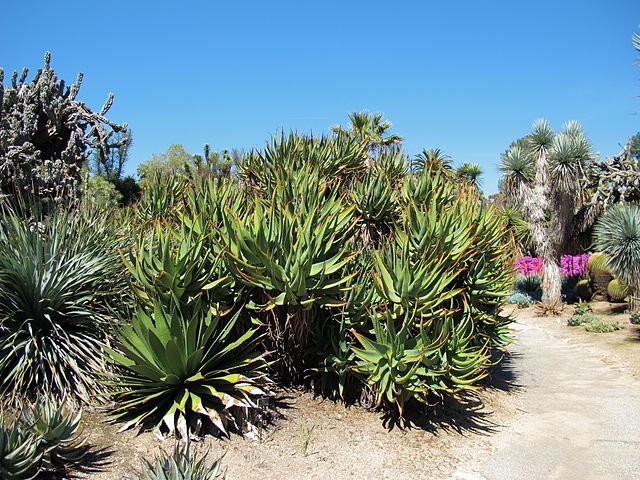
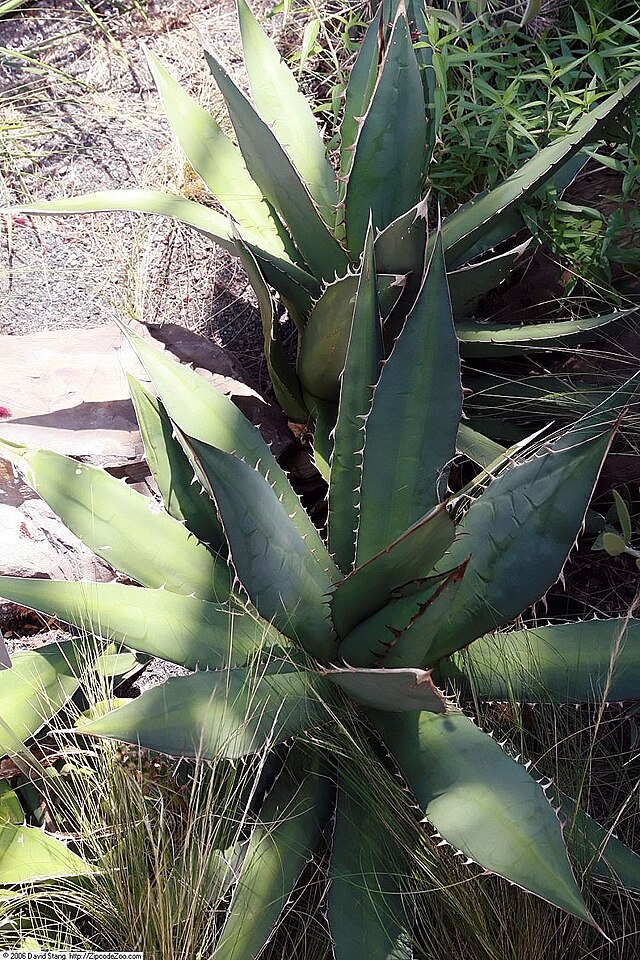
Agave lophantha (A. lophantha) is a familiar agave with the Japanese common name "Quadricolor." While attention tends to focus on premium varieties like Agave titanota and Agave parviflora, lophantha is a wonderful variety that excels in ease of care, beauty, and availability. It is especially recommended for agave beginners, and simultaneously brings vitality to veteran collectors' displays.
Basic Characteristics of Lophantha
Let us learn the appeal of lophantha.
Appearance It is a beautiful variety with a lime green stripe running through the center of the leaf, creating a gradient that darkens to deep green toward the leaf edges. The leaf margins are lined with fine serrations, and a sharp terminal spine adorns the tip. When mature, the rosette diameter reaches approximately 30–60 cm.
Growth Rate Among agaves, lophantha grows relatively quickly. With proper care, it unfolds 5–8 new leaves per year and reaches an impressive size 3–4 years from seed. Achieving a substantial form in roughly half the time required for Agave titanota, its rapid visible growth is appealing.
Offset Production Lophantha readily produces offsets (pups). Over several years, multiple offsets emerge from a single plant, creating a clustered form with a distinct appeal. Because offsets can be divided and propagated, the plant is ideal for gifting to friends.
Lophantha Variety Variations
Lophantha displays several variety variations. Choosing among these distinctive options based on preference and environment expands the enjoyment.
Quadricolor (Base Form) The most common form, characterized by green gradient striping. It is sometimes seen in garden centers and home improvement stores, making it a readily available variety.
Lophantha Quadricolor (Shishoku Nandai) A variety with cream to yellow variegation on the leaves, displaying a multihued appearance in green, yellow, white, and reddish-brown. Growth is slightly slower than the base form, but ornamental value is exceptionally high. The expression of variegation changes with light intensity and season—an intriguing quality. When grown with strong light exposure, the contrast between variegation and ground color becomes more pronounced. Insufficient light causes the entire plant to become leggy, blurring the variegation. As temperatures drop seasonally, leaf tips and variegation margins take on reddish-brown tones, revealing an even more diverse appearance.
Compacta A smaller-form type compared to standard lophantha, forming a more densely packed rosette. It is also recommended for those with limited space. When selecting an individual, choose one where the spacing between leaves is tight and the rosette forms a clean circle when viewed from above—such plants tend to develop a compact, beautiful form even after growth.
Univittata (A. univittata) A species closely related to lophantha, once treated as a variety of lophantha (A. lophantha var. univittata). As taxonomic classification has progressed, it is now increasingly treated as an independent species. The leaves are slightly broader than lophantha, and the serrations are larger.
Growing Basics
Lophantha is a hardy, easy-to-manage variety.
- Light: Prefers a bright, sunny location. As with other agaves, bright direct sunlight encourages a tight, beautiful rosette. For indoor management, LED supplemental lighting is effective. However, strong western sun in summer can cause leaf scorch, so light shading during summer is advisable.
- Watering: During the growing season (spring to autumn), water thoroughly 2–3 days after the substrate dries completely. In winter, reduce watering to once or twice monthly. Excess moisture causes root rot, so use a well-draining substrate.
- Substrate: A well-draining mix centered on hard akadama, pumice, and lava rock is standard. A recommended mix is roughly: akadama 3, pumice 2, lava rock 3, zeolite 1, leaf mold 1. This ratio is a guideline; fine-tuning based on local humidity is key. In regions with long rainy seasons and high humidity, or in poorly ventilated balconies, increase the proportion of lava rock or perlite to further improve drainage and reduce root rot risk. In areas with drier air, include slightly more leaf mold and akadama to ensure water retention and prevent plant stress from drying out.
- Fertilization: During the growing season, apply slow-release granular fertilizer once every two months, or dilute liquid fertilizer twice monthly. Fertilization accelerates growth, but excessive application results in stretching and poor form. Apply conservatively.
Cold Tolerance and Outdoor Management
One of lophantha's major appeals is its cold hardiness.
Cold Tolerance Temperature and Regional Guidelines It can tolerate temperatures around minus 5 degrees Celsius, allowing in-ground planting west of the Kanto region. In warm plains such as Tokyo, Osaka, and Nagoya, well-established plants can realistically overwinter outdoors. However, even within the same region, risk varies with frost frequency and snowfall patterns. In regions where frost occasionally occurs and snow is rare, in-ground planting typically poses little concern. In areas with frequent frost heave or prolonged snow cover, mulching the base and covering with nonwoven fabric during cold snaps provides reassurance. In cold regions or areas with heavy snow, it is safer to keep plants in pots indoors during winter rather than risking in-ground planting.
Differences in Cold Tolerance Between Potted and In-Ground Plants The same lophantha exhibits lower cold hardiness when potted compared to in-ground. In-ground, the earth's large heat capacity keeps root zone temperatures from dropping abruptly, whereas pots expose a large surface area to air, causing root temperature to plummet rapidly when outdoor cold sets in. Small terracotta pots are especially prone to cooling; during cold snaps, wrapping pots in foam insulation, positioning them near walls or ground to block wind, and similar measures can buffer root chilling.
Benefits of Outdoor Management Exposure to natural rain and wind develops a robust, vigorous form. Compared to indoor management, light availability is easier to secure and growth accelerates. During the rainy season, moving to eaves or installing rain protection provides assurance if prolonged wet weather occurs.
In-Ground Planting Tips Choose a well-draining location and plant slightly elevated, mounding soil around the base. Mix in gravel or perlite to ensure drainage. Once established, the plant becomes extremely hardy and requires minimal maintenance.
Offset (Pup) Management and Propagation
Because lophantha readily produces offsets, it is an excellent variety for enjoying propagation. Understanding offset handling opens possibilities for increasing stock or developing clustered forms.
Timing of Offset Separation Offsets should not be separated immediately. The best approach is to wait until they have grown substantially and develop roots several centimeters long. Forcibly removing small offsets before rooting elongates the rooting process and increases mortality risk. Once a robust offset develops alongside the parent, gently excavate the surrounding soil to inspect root development.
Rooting Management After Separation Use a sterile cutting tool to separate the offset without damaging the parent, allow the cut surface to air-dry several days, then plant in well-draining substrate. Until rooting, keep water minimal and manage in bright shade. If the offset already bears roots, planting carefully to avoid damaging them typically results in relatively smooth establishment.
Enjoying as a Clustered Form Rather than separating offsets, leaving them attached to the parent develops a clustered form with multiple rosettes grouped together. This creates a bold, wild appearance distinct from a single neat plant; whether to propagate or cluster is a matter of preference.
Growing from Seed (Seedling Cultivation)
Though offset propagation is straightforward for lophantha, seed propagation is also an accessible method. High germination rates and rapid growth make it ideal for learning agave seed cultivation.
- Sowing Timing: May through July, when temperatures stabilize and warm, is the ideal sowing season. This window allows young seedlings ample time to develop before winter, making it easy to establish sturdy plants by season's end.
- Germination Temperature: Germination requires temperatures around 25 degrees Celsius. Extremely high or low temperatures reduce germination rate, so timing sowing during stable weather is crucial for success. Use clean seed-sowing substrate, maintaining surface moisture to prevent seeds from drying.
- Seedling-Stage Management: Newly germinated seedlings are vulnerable to drying, so avoiding over-dry substrate is essential. At this stage, bottom watering (placing the pot on a shallow tray of water for sub-irrigation) keeps substrate moisture consistent and simplifies management. However, bottom watering invites dampening and fungal issues, so ensuring air circulation and gradually transitioning to standard watering as seedlings strengthen is important. Immediately after germination, manage under soft light; once true leaves unfold, gradually acclimate to brighter conditions to develop robust plants.
Enjoyment of Lophantha
With affordable pricing and straightforward cultivation, lophantha offers diverse enjoyment.
Accent in Succulent Arrangements Combining lophantha with other succulents or cacti in a dry-garden-style arrangement is lovely. Lophantha's sharp form serves as a striking accent.
Seedling Introduction Though offset propagation is straightforward, lophantha is equally suited to seed cultivation. High germination rates and rapid growth make it perfect for learning propagation.
GrowerDirect carries carefully selected, high-quality lophantha specimens from specialized growers. Many producers handle not only the base form but also variegated varieties such as Quadricolor, so those looking to expand their collection should definitely explore available offerings.
Learning Agave Cultivation Fundamentals with Lophantha
Because lophantha is hardy and fast-growing, it is an ideal variety for practicing fundamental agave cultivation techniques.
As a Practice for Watering Rhythm, lophantha signals watering timing relatively clearly. Loss of leaf turgidity indicates underwatering; yellowing of lower leaves signals overwatering. Developing this sense with lophantha builds confidence for managing more finicky varieties like Agave titanota and Agave utahensis.
Lophantha is equally ideal for Repotting Practice. Its prolific offset production creates frequent division opportunities, allowing repeated practice of root inspection, cutting, sterilization, drying, and replanting. Even if errors occur, new offsets emerge, reducing psychological pressure.
Also Recommended as a Seedling Introduction. Lophantha seed exhibits high germination rates and rapid growth, making seed-cultivation processes achievable in a short timeframe. For those interested in agave seed cultivation but hesitant about expensive seed varieties, building experience with lophantha is a wise choice.
After establishing fundamentals with lophantha, advancing to premium varieties like Agave titanota and Agave horrida significantly reduces the risk of losing precious plants.
Acquisition and Market Price of Lophantha
Lophantha circulates abundantly and is available at relatively affordable prices.
| Variety | Price Range | Features |
|---|---|---|
| Base Form (Quadricolor) | ¥1,000–3,000 approx. | Visible in garden centers and home improvement stores with many online listings, offering abundant selection |
| Quadricolor (Shishoku Nandai) | ¥3,000–10,000 approx. | Higher than the base form due to variegation; individuals with beautiful variegation are particularly popular and command premium prices |
| Compacta | ¥2,000–5,000 approx. | Lower circulation; popular for space-limited growers due to compact, densely-formed rosettes |
Because lophantha readily produces offsets, offset trading through agave communities or social media is possible. Participation in communities expands chances of encountering superior specimens.