Complete Guide to CO2 Addition in Planted Aquariums | Equipment Selection, Setup, and Effects Explained
Learn effective CO2 addition methods for aquatic plant cultivation. We introduce types of CO2 cylinders, how to choose diffusers, and guidelines for addition amounts.
Key Takeaways
Learn effective CO2 addition methods for aquatic plant cultivation. We introduce types of CO2 cylinders, how to choose diffusers, and guidelines for addition amounts.
Related Species
What is CO2 Addition? Understanding Its Role in Aquatic Plant Cultivation
Maintaining a beautiful planted aquarium requires CO2 (carbon dioxide) addition, which is one of the most effective approaches. Aquatic plants grow through photosynthesis, which requires three essential elements: light, nutrients, and CO2. While water in the tank naturally absorbs CO2 from the atmosphere, the amount is minimal. It's insufficient for aquatic plants to grow vigorously.
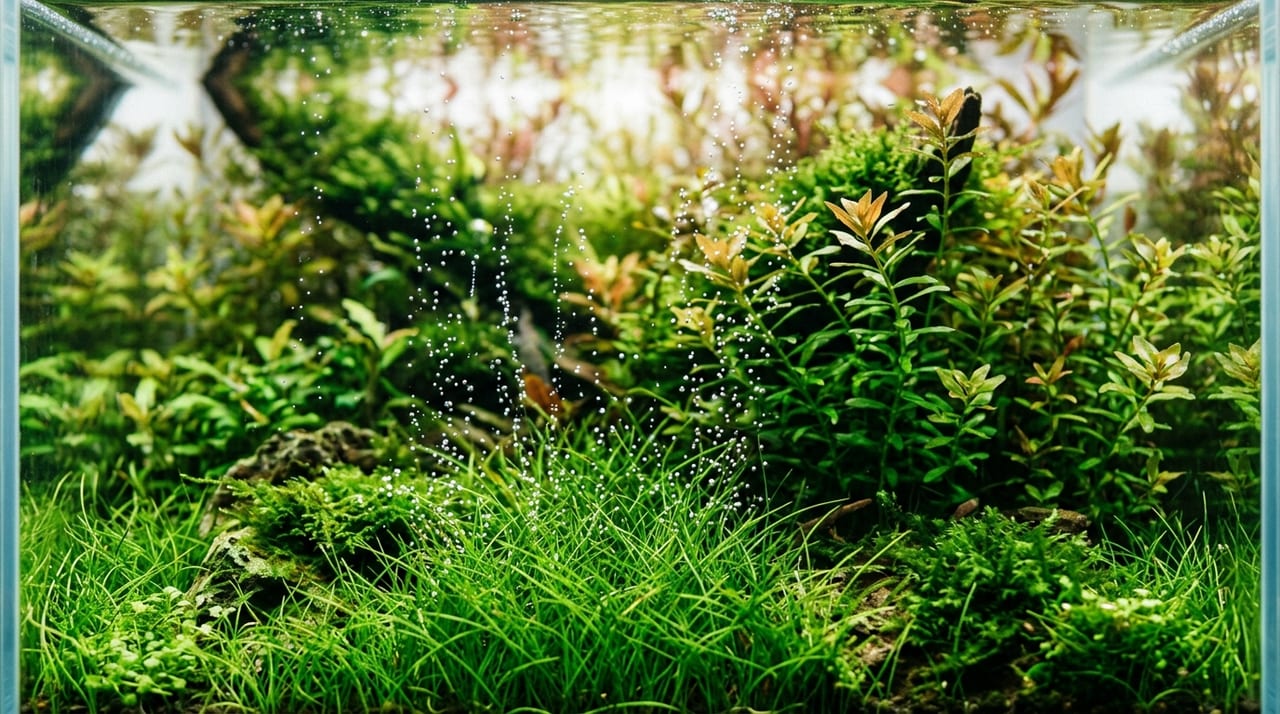
By artificially adding CO2, photosynthesis becomes more active, and aquatic plants visibly grow healthier. You can also observe a beautiful phenomenon called "pearling," where bubbles form on leaf surfaces, allowing you to fully enjoy the essence of aquatic plant landscaping (planted aquariums).
The main effects of CO2 addition are summarized as follows:
- Growth rate of aquatic plants increases 2 to 5 times
- Leaf color becomes more vibrant, enhancing the overall aesthetic of the tank
- Bubbles (pearling) are visible, increasing ornamental value
- Plants gain advantage over algae, making it effective for algae control
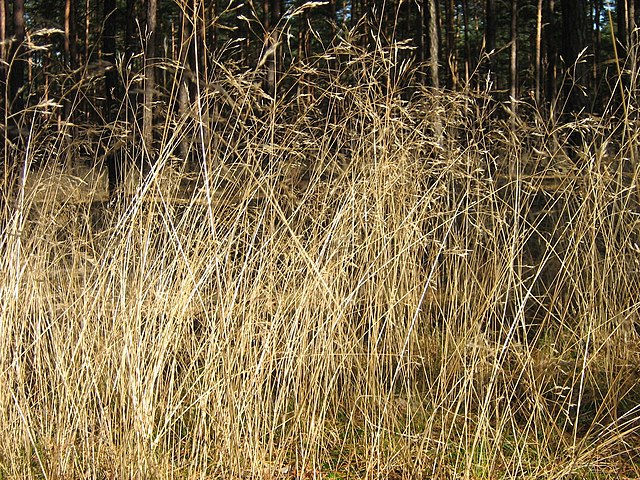
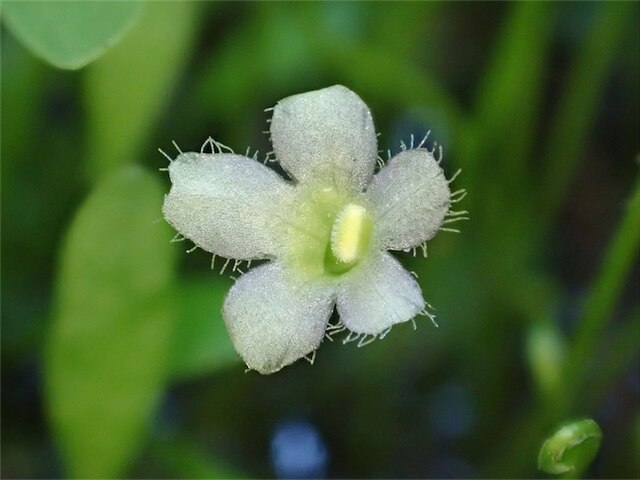
- High-difficulty species such as Hairgrass and Glossostigma become easier to cultivate
---
Types of CO2 Addition Methods and How to Choose
There are three main methods for CO2 supply, each with different initial costs, running costs, and stability. Choose based on your tank size and budget.
Midbon (Large Cylinder) Method
This method uses 5-7kg liquid CO2 cylinders and is most recommended for those aiming for a serious planted aquarium.
- Initial cost: Approximately ¥15,000-30,000 (including cylinder, regulator, and accessories)
- Running cost: Extremely affordable at ¥100-200 per month
- Features: Maintains stable addition amounts over long periods. Minimal effort to change cylinders
Cylinders can be refilled at liquor shops or home improvement stores. For long-term operation, this method ultimately offers the best cost-effectiveness.
Small Cylinder Method
This method uses disposable small cylinders of 74g or 95g and is popular with beginners.
- Initial cost: Approximately ¥5,000-10,000
- Running cost: ¥1,000-2,000 per month (depending on cylinder replacement frequency)
- Features: Easy setup and requires minimal installation space. Frequent cylinder replacements can be cumbersome
This type is easy to handle and suitable for those trying CO2 addition for the first time or for small tanks in the 30-45cm range.
Chemical Method (Fermentation/Citric Acid)
This method uses chemical reactions with baking soda, citric acid, and similar substances to generate CO2 at home.
- Initial cost: Approximately ¥2,000-5,000
- Running cost: Less than a few hundred yen per month
- Features: No cylinder required and can be enjoyed with a DIY feel. However, stable addition amounts are difficult to maintain and require experience to manage
This is best for those who prioritize cost and enjoy DIY, but cylinder methods are safer if you want a stable cultivation environment.
---
Required Equipment and Their Roles
A CO2 addition system consists of multiple parts. Understanding each component's role helps with troubleshooting and equipment selection.
| Equipment | Role |
|---|---|
| CO2 Cylinder | CO2 supply source. Midbon or small cylinder |
| Regulator (Pressure Adjuster) | Adjusts high-pressure gas from the cylinder to appropriate pressure. Convenient with speed controller attached |
| Bubble Counter | Allows visual confirmation of CO2 addition amount by counting bubbles per second |
| Diffuser | Breaks CO2 into fine bubbles to increase dissolution efficiency in water |
| Check Valve | Prevents water from flowing back into the tube and damaging the regulator |
| Solenoid Valve + Timer | Automates CO2 ON/OFF in sync with lighting. Reduces energy waste |
| Drop Checker | Indicator that allows you to confirm CO2 concentration in the tank by color |
Installing the diffuser where water flow passes ensures bubbles disperse efficiently. Using an inline type (integrated into the filter hose) keeps the tank interior clean.
---
Setting Addition Amount and Timer Management
Guidelines for Appropriate CO2 Addition Amount
Required addition amounts vary by tank size. Use the following as a guide.
- 30cm tank: 0.5-1 drops per second
- 60cm tank: 1-2 drops per second
- 90cm tank: 2-4 drops per second
- 120cm tank and above: Distribute across multiple diffusers
Confirm appropriateness by the color of the drop checker.
- Green: CO2 concentration is appropriate (approximately 20-30mg/L)
- Yellow: CO2 is excessive. Risk of fish suffocation
- Blue: CO2 is insufficient. Increase addition amount or review settings
Timer Setting Tips
The basic principle is to synchronize CO2 addition with lighting on/off.
- Start CO2 addition 30-60 minutes before lighting turns on (to allow time for dissolution in water)
- Turn off CO2 as soon as lighting turns off
- Turn on aeration at night to prevent oxygen depletion
At night, photosynthesis stops so aquatic plants don't consume CO2. Continuing CO2 addition lowers oxygen concentration in the water, creating a dangerous environment for fish. Automated management combining a timer and solenoid valve is both safe and efficient.
---
Common Problems and Solutions
Aquatic Plants Melting or Not Growing
- Insufficient light intensity is often the cause. Review not just CO2 but also light levels
- Substrate nutrient deficiency is also possible. Add liquid fertilizer or substrate fertilizer
Algae Growth Increases
- While CO2 addition makes plants healthier, excessive light also promotes algae growth
- Limit lighting to 7-8 hours and balance light and CO2 levels
Fish Gasping at the Water Surface
- A sign of oxygen depletion from excessive CO2. Immediately stop CO2 and turn on aeration
- Reduce addition amount and make nighttime aeration a habit
---
Summary | Enjoy Your Planted Aquarium Even More with CO2 Addition
CO2 addition is the most powerful way to take your planted aquarium to the next level. You might be overwhelmed by the number of equipment pieces initially, but once set up, management can be almost entirely automated with a timer.
The classic path is to start with the small cylinder method as a beginner, then transition to the Midbon method as your tank grows. By gradually adjusting while checking concentration with a drop checker, even beginners can minimize failures.
Botachoku allows you to purchase aquatic plants that have been beautifully cultivated in CO2-enriched environments directly from growers. You can also consult with growers directly about cultivation methods and tank environment concerns, providing peace of mind for those attempting planted aquarium landscaping for the first time. Start creating your ideal aquatic landscape while searching for high-quality plants.