Introduction to Emersed Cultivation of Aquatic Plants | How to Easily Propagate Aquatic Plants Using Emersed Leaves
Explains how to cultivate aquatic plants using emersed leaves. Introduces the benefits of emersed cultivation and methods for transitioning to submerged growth.
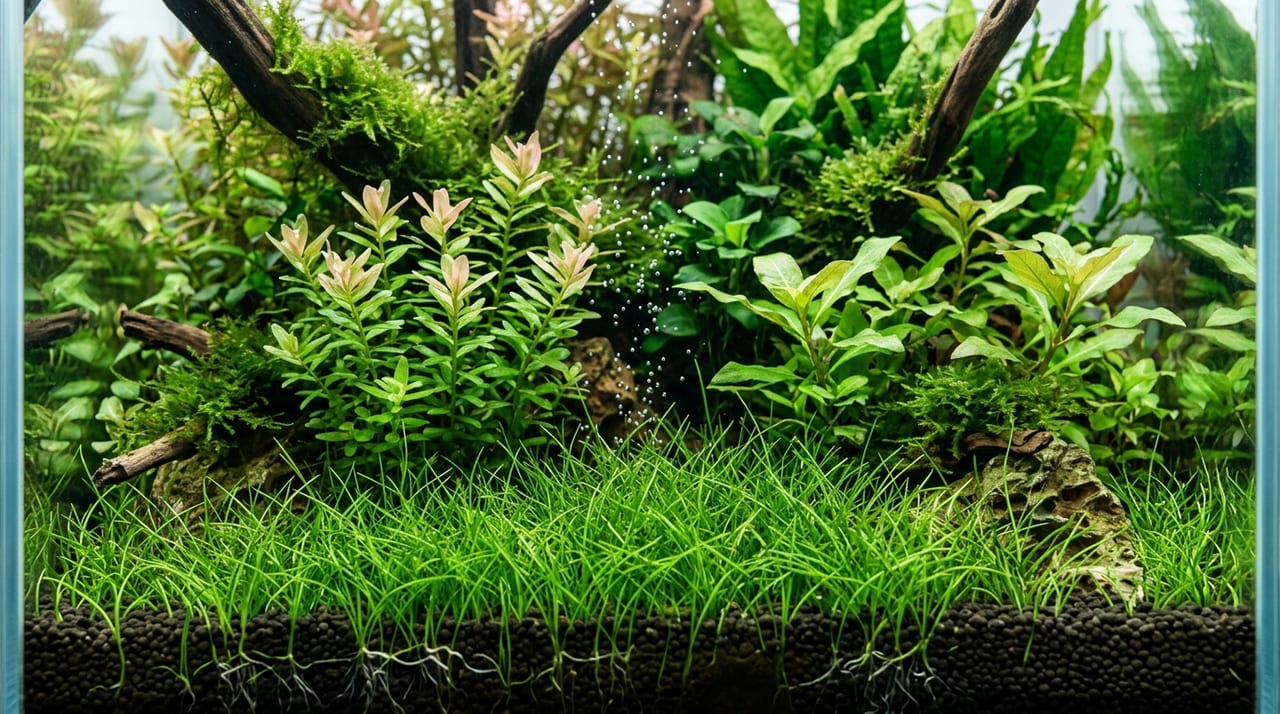
Key Takeaways
Explains how to cultivate aquatic plants using emersed leaves. Introduces the benefits of emersed cultivation and methods for transitioning to submerged growth.
Related Species
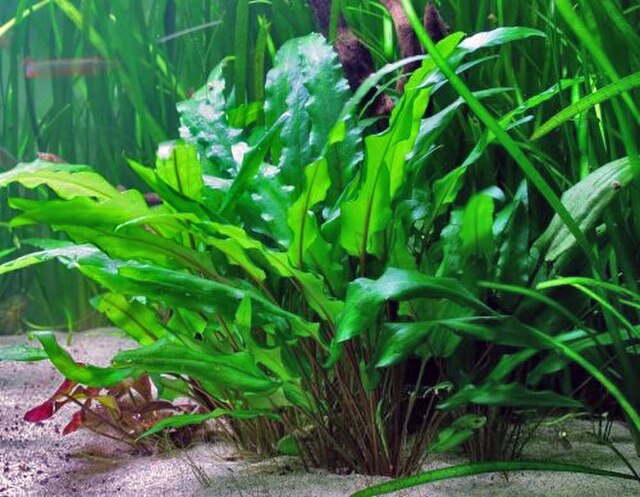
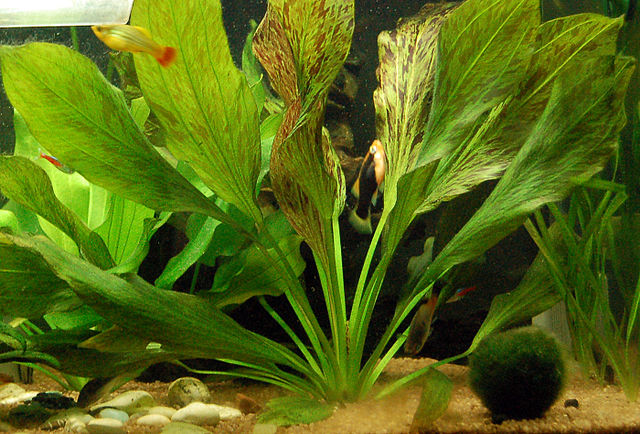
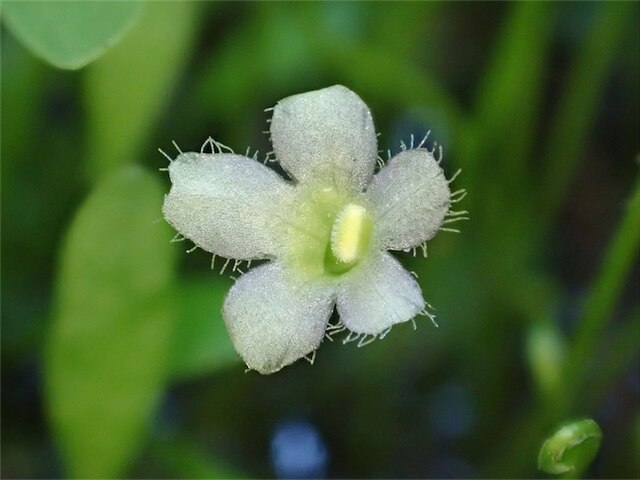
Introduction to Emersed Cultivation of Aquatic Plants | How to Easily Propagate Aquatic Plants Using Emersed Leaves
When you think of aquatic plants, you probably imagine them swaying underwater. However, most aquatic plants can actually be grown outside of water. By utilizing this "emersed cultivation" method, you can propagate aquatic plants more easily and in much greater quantities. This technique is widely practiced by aquarium enthusiasts ranging from beginners to advanced hobbyists. Let's explain this method thoroughly from the basics.
---
What is Emersed Cultivation? Understanding the Difference Between Emersed and Submerged Leaves
Emersed cultivation is a method of growing aquatic plants in a humid environment above the water's surface. In English, it's referred to as "emersed," and it's widely practiced among aquarium hobbyists in Japan as well.
In nature, most aquatic plants native to tropical regions with distinct rainy and dry seasons have the ability to grow both underwater (submerged) and above water (emersed) according to water level changes. This adaptive capacity is the primary reason why emersed cultivation is possible.
Leaves grown through emersed cultivation are called emersed leaves, while leaves grown underwater are called submerged leaves. Even with the same plant, the shape and properties of the leaves differ significantly depending on the growing environment.
| Comparison | Emersed Leaves | Submerged Leaves |
|---|---|---|
| Leaf texture | Thick and firm | Thin and soft |
| Color | Deep green | Transparent quality |
| Desiccation tolerance | High | Low |
| Photosynthesis | Uses CO₂ from air | Uses CO₂ from water |
Understanding this distinction helps you handle the changes calmly when aquatic plants purchased as emersed leaves transform and the emersed leaves melt away as submerged leaves emerge in the aquarium.
---
Five Benefits of Emersed Cultivation
There are clear reasons why emersed cultivation is supported by many aquarists.
1. No CO₂ Supplementation Needed In submerged cultivation, equipment for CO₂ supplementation is sometimes necessary to promote aquatic plant growth. However, in emersed cultivation, leaves can absorb CO₂ directly from the air, significantly reducing equipment costs.
2. Can Thrive in Weak Light Emersed leaves adapt well to environments similar to natural sunlight, so they can grow well with indirect light from a window or weak LED lighting. This is a significant advantage—you don't need expensive, high-powered illumination to manage them.
3. No Algae Growth Algae (algal blooms), the nemesis of aquarium keeping, reproduce in water. Emersed cultivation is not a submerged environment, so the risk of algae is extremely low, making maintenance easier.
4. Faster Growth Speed For many species, emersed cultivation is said to result in faster growth compared to submerged cultivation. Since plants grow vigorously, you can build large stocks in a short period of time.
5. Less Damage During Shipping Emersed leaves are sturdy and desiccation-tolerant, so they resist damage during transport. This is one reason why emersed leaves are preferred when purchasing and selling aquatic plants through mail order.
---
Getting Started with Emersed Cultivation | Two Basic Methods
Plastic Container Method (The Most Convenient Approach)
The plastic container method is most recommended for beginners. You can even use food storage containers from a 100-yen shop to practice this method.
What You'll Need - A shallow plastic container (food storage tubs, etc.) - Aquarium soil or aquatic plant substrate (approximately 3–5 cm) - Aquatic plant shoots or cuttings - Plastic wrap or a lid
Steps 1. Add 3–5 cm of substrate to the container 2. Add water until the substrate is moist (water level should be at or just below the substrate surface) 3. Plant the aquatic plants (bury the roots firmly so the stems don't fall over) 4. Cover the container with plastic wrap or a lid, keeping humidity above 80% 5. Place it on a bright windowsill or under weak LED lighting 6. Open the lid slightly to ensure air circulation and prevent excess moisture
Simply add a bit of water if it evaporates. Be careful not to overwater.
Misting Method
The "misting method" is also used when setting up a new aquarium to establish roots firmly in aquatic plants.
Steps 1. Add substrate to the aquarium and plant the aquatic plants 2. Cover the entire aquarium with plastic wrap without adding water 3. Mist the substrate and plants lightly with a spray bottle 1–2 times daily 4. After several weeks, the plants will root and growth will stabilize 5. Once well-established, slowly add water
The misting method has a low failure rate and is especially effective for creating carpets of foreground plants (such as Glossostigma and Hemianthus callitrichoides).
---
Transitioning to Submerged Growth (Submerged Conversion) Considerations
When moving emersed leaves to a submerged environment, a process called "submersion" occurs. During this time, the emersed leaves you've been cultivating may melt away and disappear, but this is not abnormal—it's a normal reaction.
The Transition Process 1. Move the well-rooted aquatic plants to underwater conditions (or add water) 2. Within 1–2 weeks after the transition, the emersed leaves gradually dissolve and wither 3. Subsequently, new submerged leaves emerge from the roots 4. It takes approximately 2–4 weeks for complete conversion to submerged form
Tips for Smooth Transition - Avoid sudden changes in water quality and temperature - Adding CO₂ can accelerate the development of submerged leaves - Remove dissolved leaves promptly to prevent water quality deterioration
Patience is key. The melting of emersed leaves doesn't mean the plant is dead—it's the process of adapting to a new environment.
---
Aquatic Plant Species Suited for Emersed Cultivation
Not all aquatic plants are suitable for emersed cultivation, but the following species are particularly easy to grow and recommended for beginners.
- Rotala species (Rotala indica, Rotala rotundifolia, etc.): Fast-growing standard varieties that are easy to propagate
- Hygrophila species: Hardy and highly adaptable, perfect for beginners
- Cryptocoryne: Strong roots and stable growth both emersed and submerged
- Glossostigma: Ideal for creating carpets using the misting method
- Hemianthus callitrichoides: Beautiful fine leaves, popular as a foreground plant
- Echinodorus species: Many large varieties available for eye-catching layouts
- Bacopa monnieri: Distinctive shape can be enjoyed even when emersed
On the other hand, completely aquatic plants like Anacharish and Water Sprite are not suitable for emersed cultivation, so caution is needed.
---
Summary | Get Emersed Leaves from Growers on Growers Direct
Emersed cultivation is an excellent method for growing aquatic plants healthily and propagating them abundantly without CO₂ supplementation or powerful lighting. With low initial investment and relatively simple management, it's an accessible cultivation method even for those just beginning their aquarium hobby.
Key takeaways:
- Understanding the difference between emersed and submerged leaves is the first step
- The plastic container and misting methods let you start conveniently
- The "melting" during submerged transition is a normal adaptation process—observe patiently without rushing
- Start with easy-to-grow varieties like Rotala and Hygrophila
On Growers Direct, you can sometimes purchase vibrant aquatic plants carefully cultivated using emersed cultivation by growers. Emersed leaves are sturdy and resistant to transport damage, making them attractive due to their excellent condition upon arrival. Additionally, purchasing from individual growers carries a lower risk of pesticide treatment, making it safe for those who want to keep aquatic plants alongside sensitive organisms like shrimp.
If you're interested in trying your hand at aquatic plant tank layouts or expanding your stock, be sure to explore the aquatic plants from trustworthy growers on Growers Direct.