How to Make and Care for Wabi Moss Balls | Emersed Aquatic Plant Moss Ball Interior
Learn how to create and care for wabi moss balls made from emersed aquatic plant leaves. Discover how to select water plants, build the base, and tips for long-term maintenance.
Key Takeaways
Learn how to create and care for wabi moss balls made from emersed aquatic plant leaves. Discover how to select water plants, build the base, and tips for long-term maintenance.
Related Species
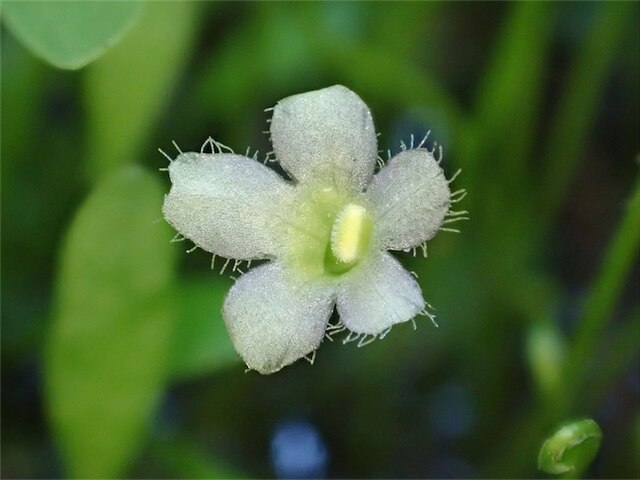
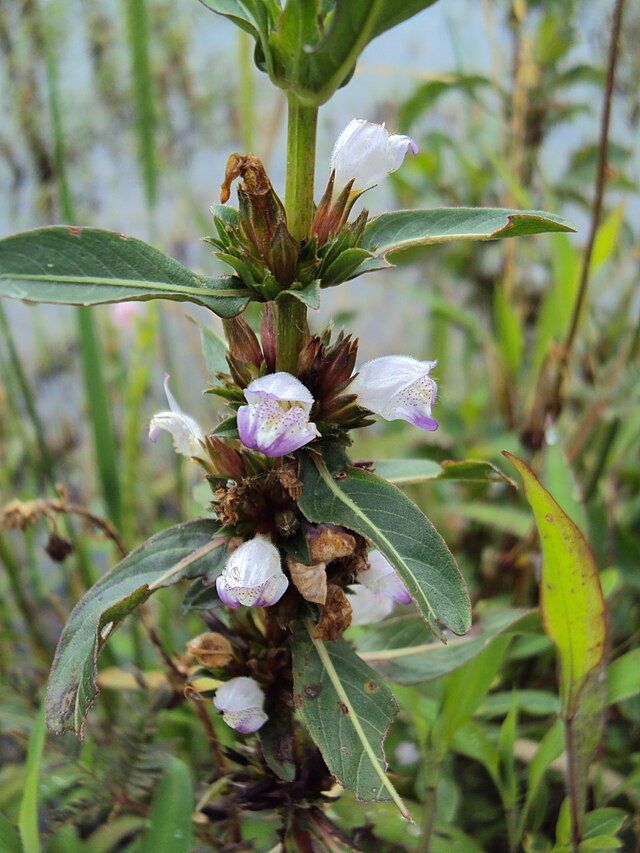
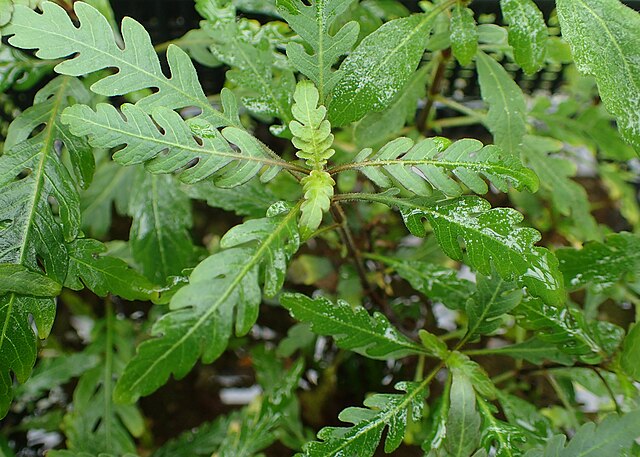
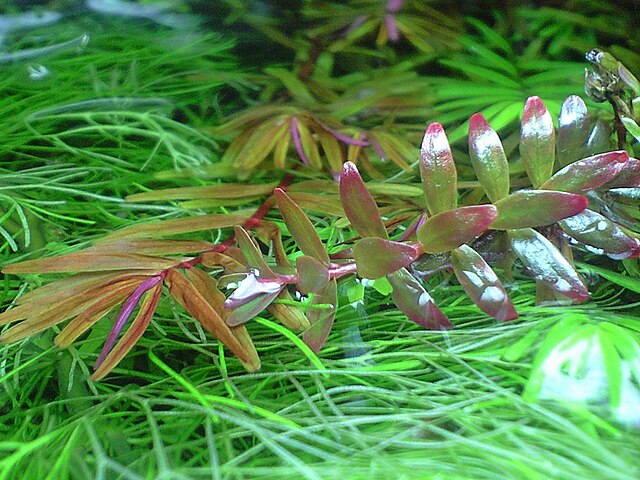
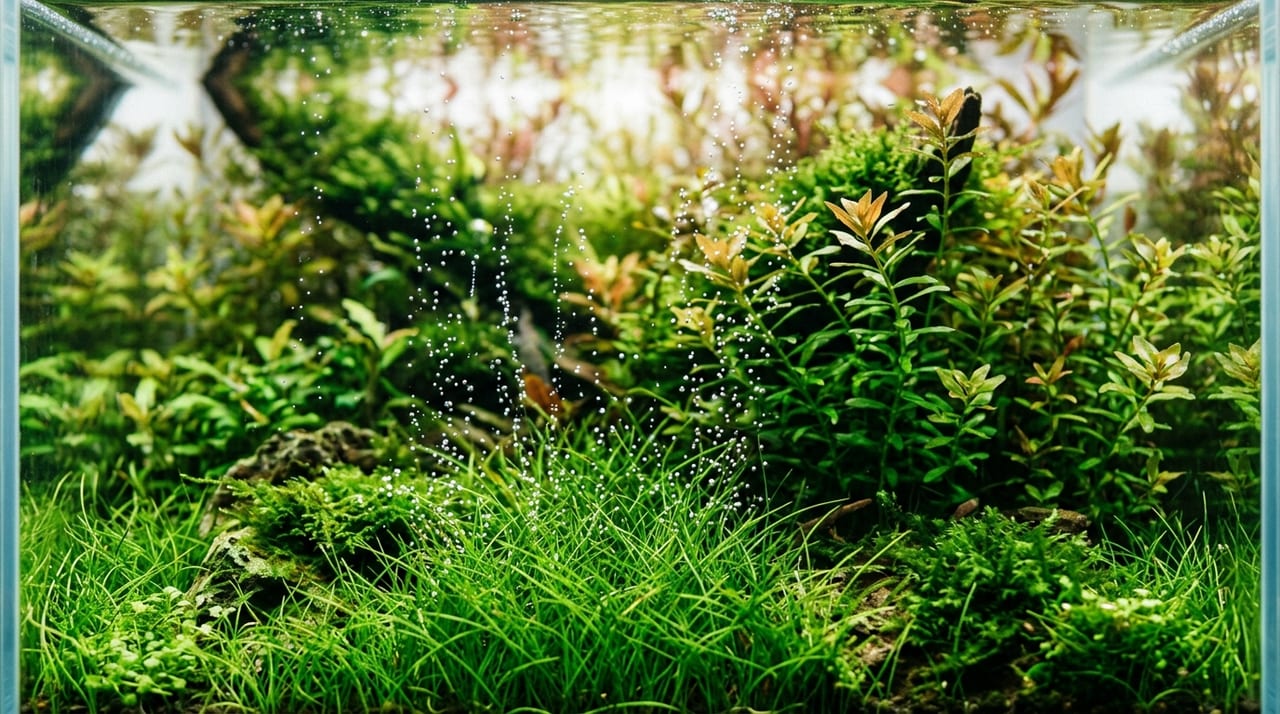
Wabi moss balls are decorative plant displays made by gathering the emersed leaves of aquatic plants into a moss ball-like form. This style was popularized by ADA (Aqua Design Amano) and has become popular as a new way to enjoy aquatic plants, whether submerged in aquariums or displayed above water. This article explains how to make and care for wabi moss balls.
What are Wabi Moss Balls?
Wabi moss balls are made by planting emersed leaves of aquatic plants in nutrient-rich soil on a base and finishing them in a moss ball shape. By simply placing a small amount of water in a glass container, you can enjoy the beauty of aquatic plants on your desk or shelf. The appeal is that no large equipment like an aquarium is needed—only lighting is required to easily cultivate aquatic plants. Since you can submerge the finished wabi moss ball directly into an aquarium to use as part of your layout, it is also used to simplify the setup of aquatic plant aquariums. Commercial wabi moss balls typically cost around 2,000–5,000 yen each, but you can also make them yourself. If you make your own, you can freely combine your favorite aquatic plants and reduce costs. The term "wabi moss ball" reflects Japan's "wabi-sabi" aesthetic sensibility, and there is enjoyment in discovering a miniature view of nature within a small vessel.
Aquatic Plants Suitable for Wabi Moss Balls
When selecting aquatic plants for wabi moss balls, choose species that have beautiful emersed forms and are robust and easy to grow.
- New Large Pearl Grass: Spreads low to the ground and is ideal as a base to cover the foundation with a green carpet
- Glossostigma: Can be used similarly to new large pearl grass
- Rotala species (Rotala rotundifolia, Rotala indica, etc.): Recommended stem plants for accent—in emersed form they produce round leaves and remain compact
- Hyphessobrycon pinnatifia: Notable for its distinctively lobed leaves, adding a wild character to wabi moss balls
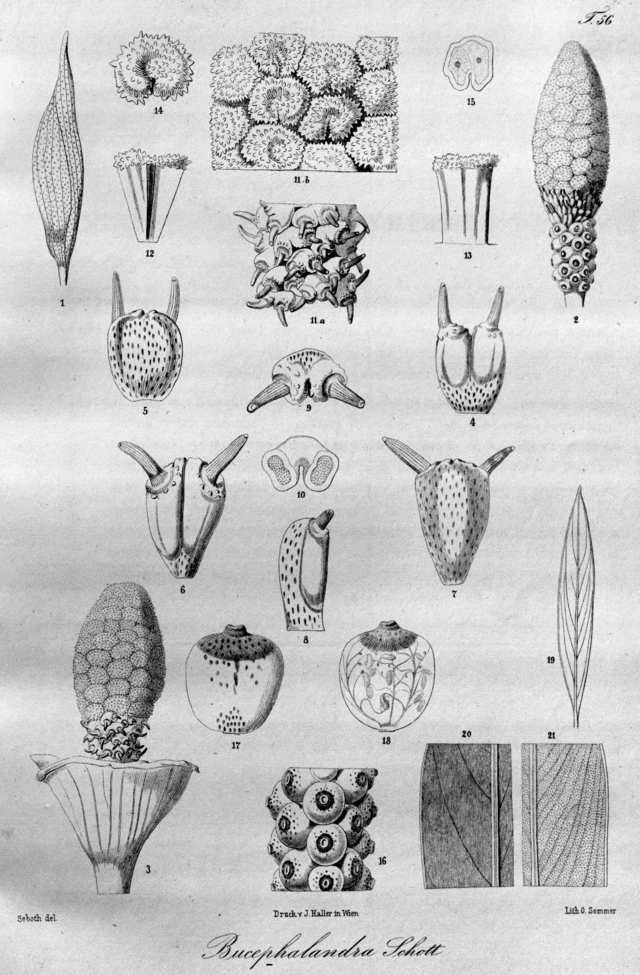
- Bucephalandra: Grows slowly even in emersed form, and its leathery leaves create an elegant atmosphere
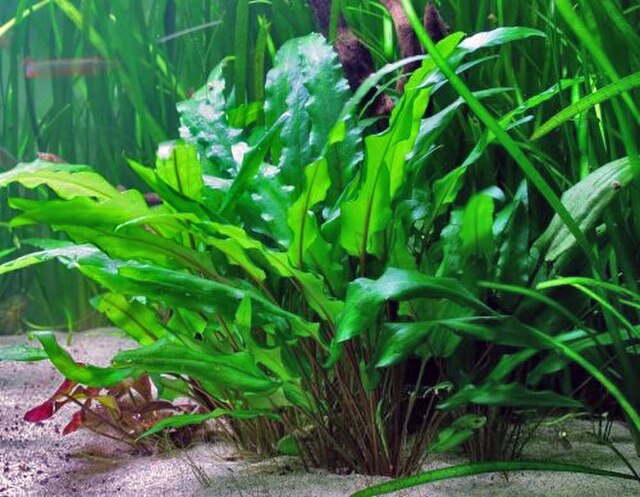
- Small Cryptocoryne species: Well-suited for wabi moss balls
- Moss varieties: When wrapped around the base, the whole display takes on a natural appearance
Combining 3–5 species of aquatic plants in a single wabi moss ball creates variety and improves its appearance.
How to Make a Wabi Moss Ball
Materials needed are keto soil (clay-based soil), fine red ball soil, sphagnum moss, and emersed leaves of aquatic plants.
- Mix keto soil and red ball soil in a 7:3 ratio, add water, and knead until clay-like
- Form into a ball approximately 5–8 cm in diameter
- Wrap the surface of the base with rehydrated sphagnum moss. Using fishing line to secure the moss prevents it from falling apart
- Once the base is complete, use a wooden stick or tweezers to make holes and insert aquatic plants. Tall stem plants should go on top, and creeping foreground plants on the sides and bottom for better balance
- After planting is complete, mist the entire surface and place in a glass container. Fill the container with water deep enough to reach the roots of the aquatic plants
- Immediately after making, cover with plastic wrap to maintain high humidity. For the first 1–2 weeks while the plants are establishing roots, be careful not to let them dry out
Care Tips
Daily care of wabi moss balls is simple.
- Lighting: Turn on LED lights for 8–10 hours per day. Even without high-output plant-specific lights, most aquatic plants will grow under desk lamp brightness
- Water level: Keep 1–2 cm of water constantly in the container, and refill as it evaporates. Use dechlorinated tap water or water that has been left out overnight
- Water changes: Change all the water in the container once a week, and wipe the glass clean
- Trimming: When aquatic plants grow too tall, trim with scissors to shape. Trimmed stems can be replanted in the base to grow as new plants
- Fertilizing: Dilute liquid fertilizer and spray on leaves 1–2 times per month to promote growth
- Summer: Be careful of high temperatures and excess moisture. It's safest to keep in an air-conditioned room
- Winter: No problem in a heated room, but avoid windowsills where it gets cold
Variations and Arrangements of Wabi Moss Balls
There are various arrangements in wabi moss ball styling.
| Style | Characteristics |
|---|---|
| "Submerged Wabi Moss Ball" | A finished wabi moss ball submerged directly in an aquarium. The base serves as a substitute for substrate, allowing you to add aquatic plants to your layout without planting work. Simply arranging multiple wabi moss balls in an aquarium creates a three-dimensional layout |
| "Wall-Mounted Wabi Moss Ball" | A flat-shaped wabi moss ball displayed on a wall. Because it can be displayed like a framed picture, you can enjoy aquatic plants even in rooms without space for an aquarium |
| "Terrarium Wabi Moss Ball" | A style where a wabi moss ball is placed in a glass terrarium container and managed with only misting. With a sealed container with a lid, humidity management is easy and can be maintained with misting 1–2 times per week |
You can also enjoy the seasonal appearance of wabi moss balls by changing the aquatic plants used each season. In spring, incorporate stem plants with fresh new shoots; in autumn, include the red emersed leaves of Rotala to create a seasonal wabi moss ball.
Application of Wabi Moss Ball Making: Combination with Mini Aquariums
Wabi moss balls can be combined with mini aquariums to expand the ways to enjoy them. Simply fill a glass bowl 15–20 cm in diameter with water and submerge a wabi moss ball to create an instant aquatic plant aquarium. While the water volume is small, adding 1–2 medaka or cardinal tetras creates a mini aquarium full of life. A small number of shrimp (such as cherry shrimp) can also be kept—they live eating microorganisms that form on the surface of the wabi moss ball. Maintenance consists only of water changes 1–2 times per week (about half the total volume) and topping off. No filter or CO2 is needed, and desk lamp-level lighting is sufficient. You can also create multiple wabi moss balls and display them side by side to create a space like a small aquatic plant garden. It's also recommended to change the types of aquatic plants used in each wabi moss ball to enjoy variations in color and texture. They are also popular as gifts, and presenting them as a set with a glass container is well-received.
Wabi Moss Ball Troubleshooting
Here are common problems that occur with wabi moss balls and their solutions.
- If the base falls apart, increase the proportion of keto soil and secure it firmly with fishing line
- If aquatic plants die, the cause is usually insufficient lighting or drying out. Turn on lighting for 8+ hours and always maintain water level in the container
- If mold grows, humidity is too high or ventilation is insufficient. Leave the container lid partially open or ventilate once a day. Regularly remove dead leaves to prevent mold growth
Wabi moss balls are a wonderful way to enjoy aquatic plants more easily. The greatest appeal is the convenience of being able to feel the freshness of greenery on your desk even without space for an aquarium. Start by making small wabi moss balls with readily available aquatic plants.
Get Wabi Moss Ball Aquatic Plants at GrowerDirect
For making wabi moss balls, water plants sold in emersed form or tissue culture cups are convenient. At GrowerDirect, you can purchase various types of aquatic plants from growers who focus on cultivating water plants in emersed form. You can also receive advice on selecting varieties suitable for wabi moss balls and tips for cultivation. Try creating your own original wabi moss ball with GrowerDirect.