Aquatic Plant Tank Water Hardness (GH·KH) Management Guide
This article explains the fundamentals of general hardness (GH) and carbonate hardness (KH), which are essential for aquatic plant cultivation, along with measurement methods, adjustment techniques, and recommended aquatic plants by hardness level.
Key Takeaways
This article explains the fundamentals of general hardness (GH) and carbonate hardness (KH), which are essential for aquatic plant cultivation, along with measurement methods, adjustment techniques, and recommended aquatic plants by hardness level.
Related Species
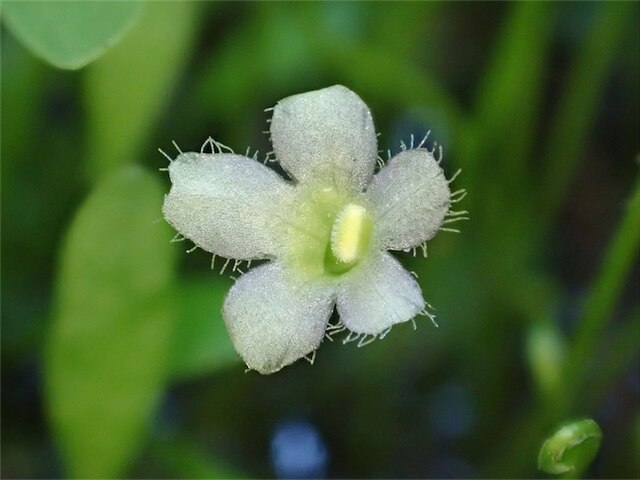
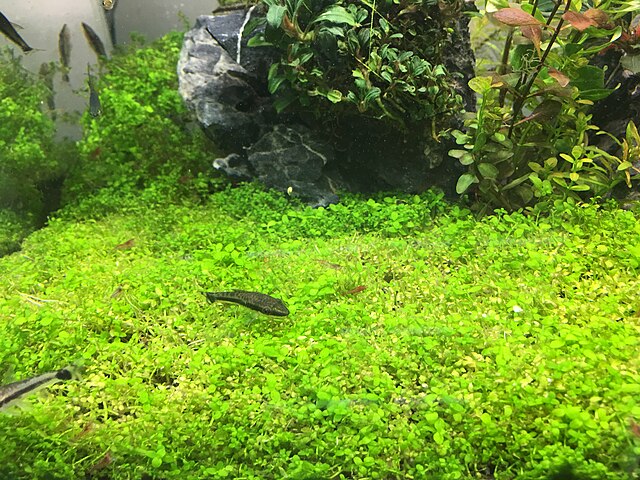
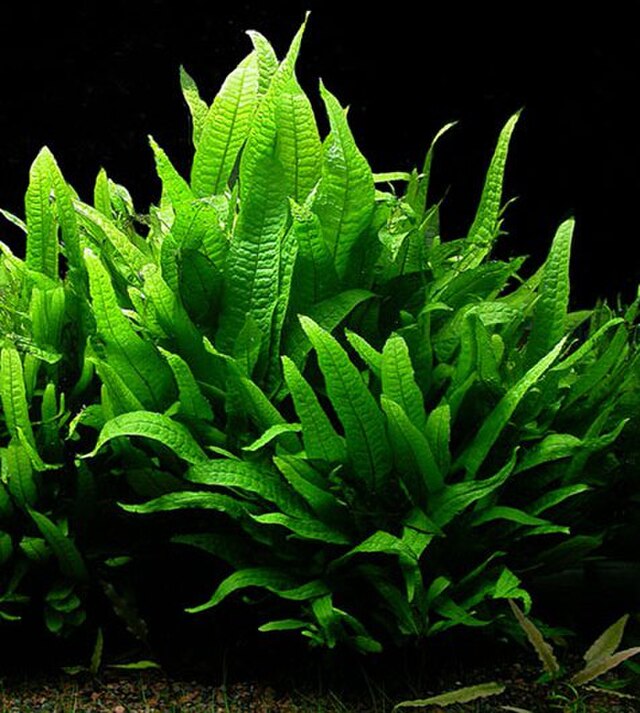
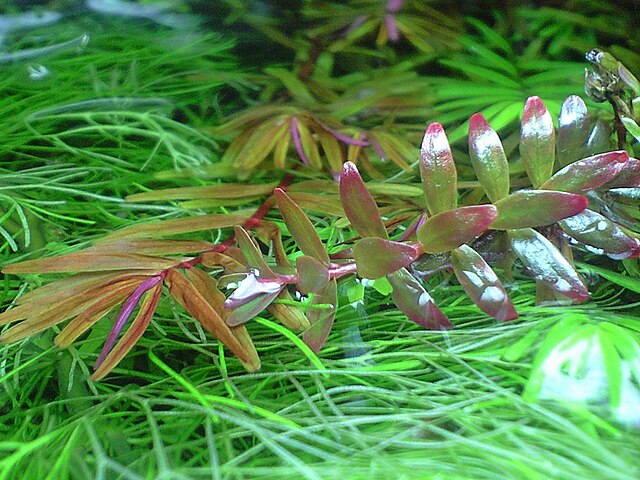
Water hardness management is often overlooked in aquatic plant tank maintenance. While pH and CO2 are frequently discussed topics, the impact that GH (general hardness) and KH (carbonate hardness) have on aquatic plant growth is surprisingly significant. This guide provides a detailed explanation of hardness fundamentals and practical management methods.
Fundamentals of GH and KH
Water hardness is divided into two main types. Understanding each one and its effects on aquatic plants is essential.
- GH (General Hardness): GH indicates the combined concentration of calcium and magnesium ions in water. It is typically expressed in °dH (German hardness degrees), where 1°dH equals approximately 17.8 mg/L in CaO equivalent. Calcium and magnesium are essential minerals for aquatic plants, but excessive amounts can inhibit the absorption of other nutrients.
- KH (Carbonate Hardness): KH indicates the concentration of carbonate and bicarbonate ions in water. High KH tends to raise pH and reduces the effectiveness of CO2. Conversely, if KH is too low, pH becomes unstable and the risk of a "pH crash" increases.
- Ideal Values for Aquatic Plant Cultivation: For most aquatic plants, GH 3–6°dH and KH 2–5°dH are considered ideal ranges. However, preferences vary by species. Aquatic plants native to South America prefer soft water (low hardness), while some African species can thrive in harder water.
Measuring Water Hardness
The first step in hardness management is accurate measurement.
- Test Kit Method: The most common method is to add liquid reagent drops to water and observe color changes. GH and KH test kits are available from manufacturers like Tetra and Sera. Add reagent drops one at a time until the color changes; the number of drops equals the hardness (°dH). Accuracy is approximately ±1°dH.
- TDS Meter: A TDS (Total Dissolved Solids) meter is a simple tool for checking water quality. However, since TDS measures all dissolved substances, not just hardness, it does not provide accurate GH and KH values. Use it only as a supplementary tool for tracking water quality changes.
- Measurement Frequency: During the setup phase, measure once per week; during the stable phase, measuring once or twice per month is sufficient. Also regularly check the hardness of tap water used for water changes, as it varies by season.
Adjusting High Hardness
Tap water hardness in Japan varies significantly by region. In some areas of eastern Japan, tap water hardness is high, which can be problematic for aquatic plants that prefer soft water.
- Using Aquatic Plant Substrate: Both nutrient-rich and adsorptive substrates reduce hardness through ion exchange. New substrate is particularly effective at lowering hardness, reducing GH by approximately 2–4°dH. This effect gradually weakens over 6 months to a year, making periodic substrate replacement necessary.
- Using RO Water (Reverse Osmosis Treated Water): Water passed through an RO filter has GH and KH close to zero. By mixing RO water with tap water, you can adjust to any desired hardness. While costly, this is the most reliable hardness adjustment method.
- Using Zeolite: Placing zeolite in the filter adsorbs calcium and magnesium, reducing hardness. It can be reused repeatedly by regenerating it periodically with salt water, making it economical.
- Using Driftwood: Tannins and organic acids leached from driftwood gently lower both pH and hardness. While the effect is modest, this is an efficient two-in-one approach that improves water quality while serving as a layout material.
Adjusting Low Hardness
In overly soft water environments, calcium and magnesium deficiency can cause aquatic plants to whiten and exhibit poor growth.
- Mineral Additives: Aquatic plant mineral supplements (such as GH boosters) easily raise GH. Add small amounts gradually until you reach your target value.
- Coral Sand and Oyster Shells: Placing small amounts of coral sand or oyster shells in the filter allows calcium to gradually dissolve, raising GH and KH. The gentle effect makes this method suitable when you want to avoid sudden changes.
Recommended Aquatic Plants by Hardness Level
Considering hardness when selecting aquatic plants significantly increases cultivation success rates.
| Hardness Level | Representative Aquatic Plants | Characteristics |
|---|---|---|
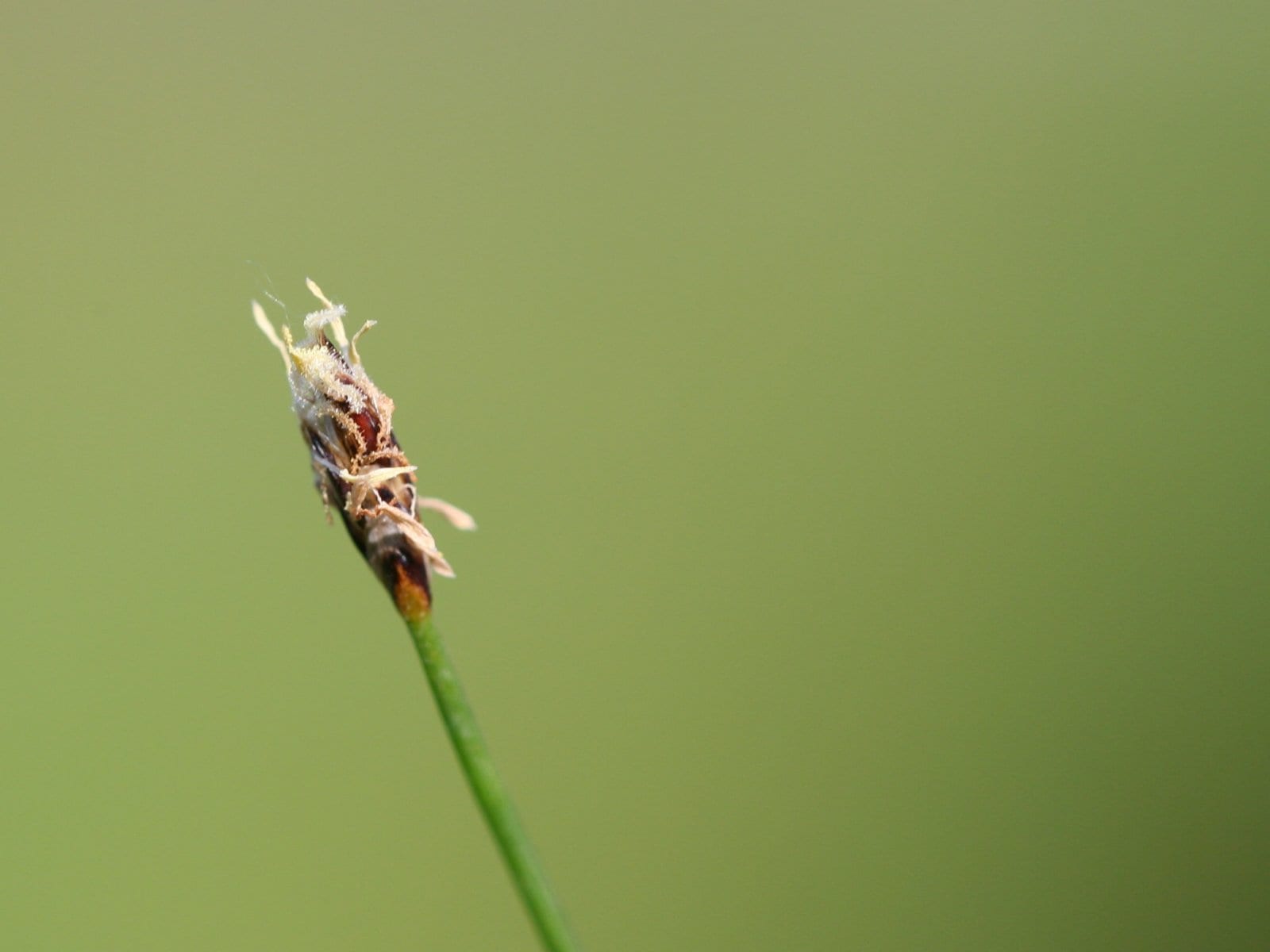
| Soft Water (GH 2–4°dH) | Tonina, Stargrass, Eriocaulon species, Cuba pearl grass, Rotala macrandra, and others | Delicate South American aquatic plants that display their true beauty only in soft water |
| Medium Hardness (GH 4–8°dH) | Glossostigma, Hair grass, Anubias, Microsorum, Rotala rotundifolia, and others | Most common aquatic plants grow well within this range |
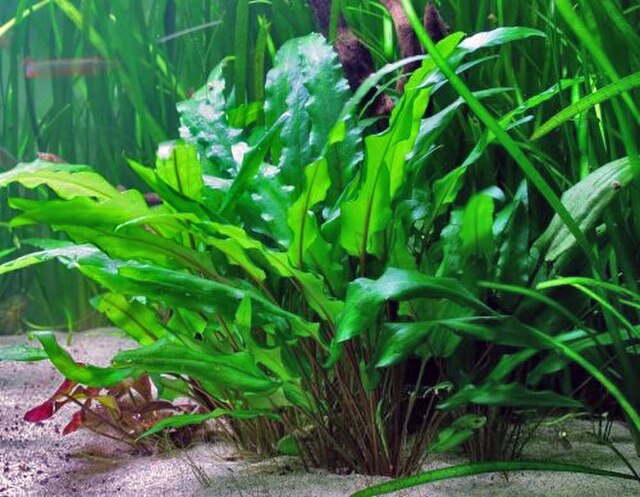
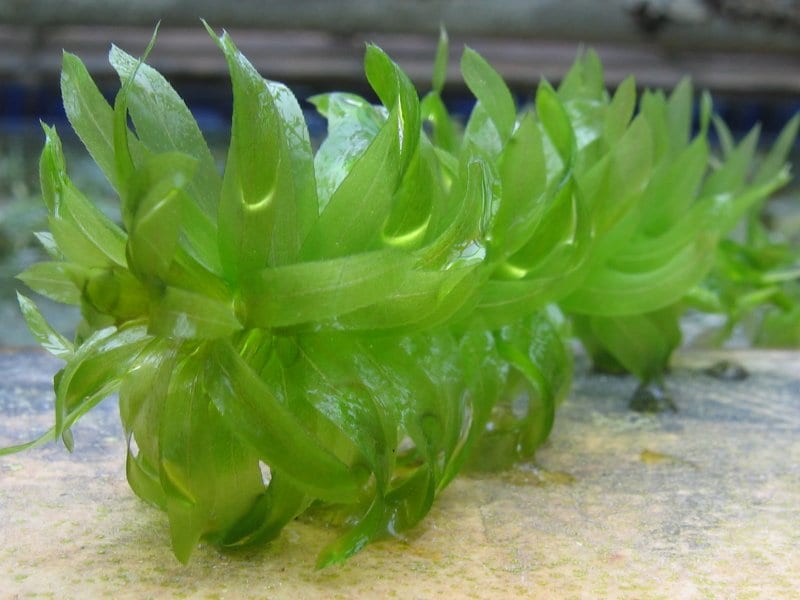
| Hard Water (GH 8°dH and above) | Vallisneria, Elodea, Hornwort, some Cryptocoryne species, and others | Few aquatic plants prefer hard water, but if softening is difficult, design layouts around these species |
Practical Tips for Hardness Management
Regular water quality measurement and record-keeping are fundamentals of hardness management. Be aware of the hardness of water used for water changes and the hardness within your tank, preventing major fluctuations. In regions where tap water hardness is high, it is worthwhile to consider adopting an RO water system.
Common Hardness Management Failures and Solutions
Here are typical troubleshooting cases related to hardness. When "pH does not drop despite CO2 addition," high KH is often the cause. If tap water has KH of 8 or higher, substrate alone may not lower hardness sufficiently, and CO2 effects cannot be fully realized. Mixing RO water and tap water in a 1:1 ratio provides dramatic improvement. When "Rotala macrandra does not turn red at all," high GH is often a contributing factor. Delicate aquatic plants that prefer soft water cannot display their true beauty unless maintained in an environment with GH of 3 or lower. When "aquatic plants suddenly begin to dissolve despite being healthy," seasonal fluctuations in tap water hardness may be the cause. During the rainy season and winter, tap water hardness can fluctuate by 2–3°dH, which becomes significant stress for sensitive species. Develop the habit of measuring hardness of water used for changes before use.
Taking Your First Step in Hardness Management
Starting hardness management begins with understanding your current situation. Obtain a GH and KH test kit (available from Tetra and Sera) and measure both your tank water and tap water.
Relationship Between Hardness and Other Water Quality Parameters
Hardness is closely related to pH and CO2 concentration. Higher KH increases pH buffering capacity, making pH drop from CO2 addition more gradual. In other words, in a high-KH environment, you must add more CO2 to lower pH to the slightly acidic level optimal for aquatic plants.
Find Aquatic Plants Suited to Your Water Quality on GrowerDirect
On GrowerDirect, you can communicate your water quality conditions to specialized growers and receive advice on suitable aquatic plants. You can also consult about selecting aquatic plants that match your local tap water hardness. By learning about the water quality in your grower's cultivation environment, you can check compatibility with your home conditions in advance, reducing post-purchase troubles. This is a key strength of GrowerDirect.