CO2 Addition Guide for Planted Aquariums | Necessity, Equipment Selection, and Determining Dosage
Learn how to add CO2 necessary for aquatic plant photosynthesis. An introduction for beginners covering the differences between fermentation and cylinder methods, how to choose diffusers, appropriate CO2 dosage indicated by bubble output, and how to use counters.
Key Takeaways
Learn how to add CO2 necessary for aquatic plant photosynthesis. An introduction for beginners covering the differences between fermentation and cylinder methods, how to choose diffusers, appropriate CO2 dosage indicated by bubble output, and how to use counters.
Related Species
CO2 Addition Guide for Planted Aquariums | Necessity, Equipment Selection, and Determining Dosage
CO2 addition is an essential technique for those who want to grow aquatic plants beautifully and vigorously. Aquatic plants grow through photosynthesis, which requires carbon dioxide (CO2) in this process. The CO2 dissolved in tap water is often insufficient, and by adding CO2, the growth of aquatic plants improves dramatically. This article provides a detailed explanation from the basics of CO2 addition to equipment selection.
Why CO2 Addition Is Necessary
Aquatic plant photosynthesis is the reaction "light + CO2 + water → sugars + oxygen." Even with sufficient light, photosynthesis is limited if CO2 is insufficient.
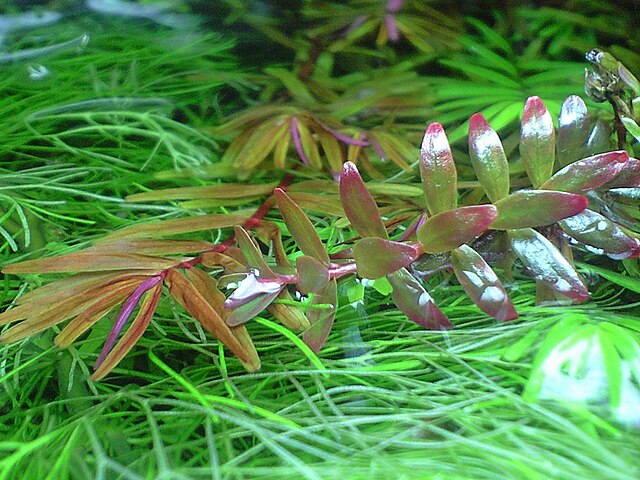
When CO2 is insufficient: - Growth slows down or stops - Leaves become smaller and sparse - Nutrients are more easily taken by algae - Red aquatic plants lose their coloration
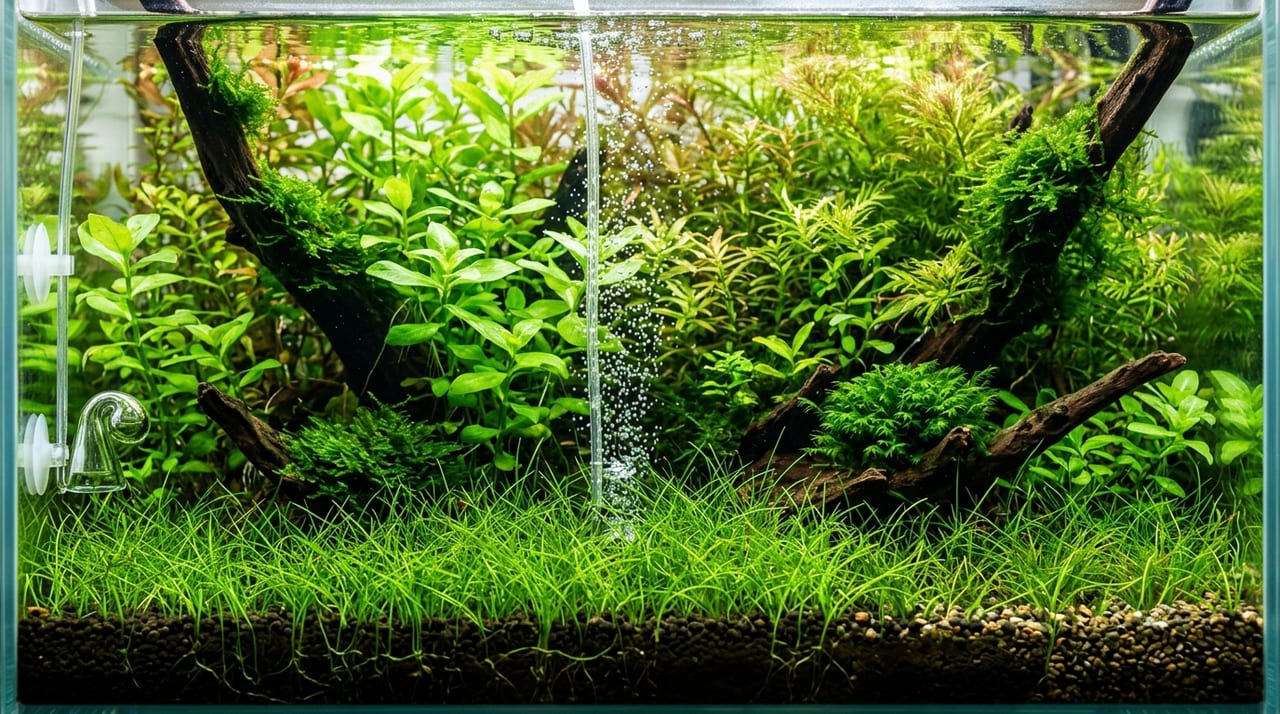
Conversely, when CO2 is properly added: - Many bubbles (O2 bubbles) are produced from the aquatic plants (pearling, see Complete Guide to Aquatic Plant Bubbles (Pearling) for details) - Growth accelerates and leaves become larger and more beautiful - Algae growth is suppressed
Aquatic Plants That Benefit Most from CO2 Addition
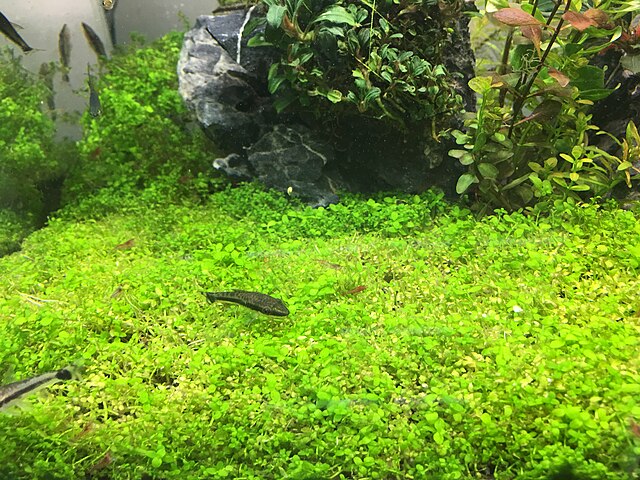
Species that strongly benefit from CO2: - Foreground plants such as Hair Grass, Glossostigma, and Cuba Pearl Grass - Rotala species (including Rotala Indica (true form) and others) - Nymphaea species (emersed leaves) - Various Hydrocotyle species
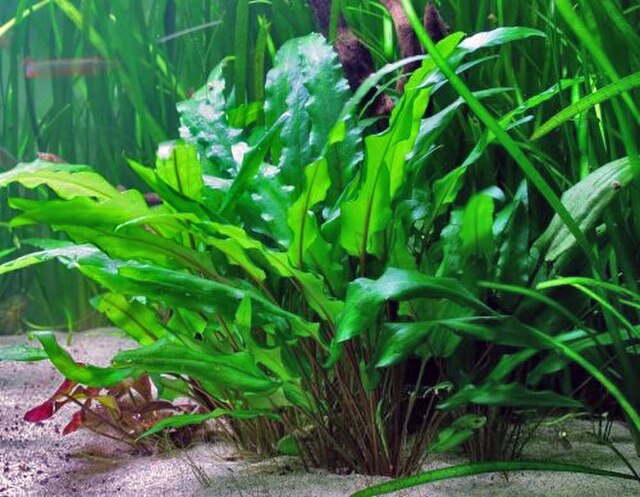
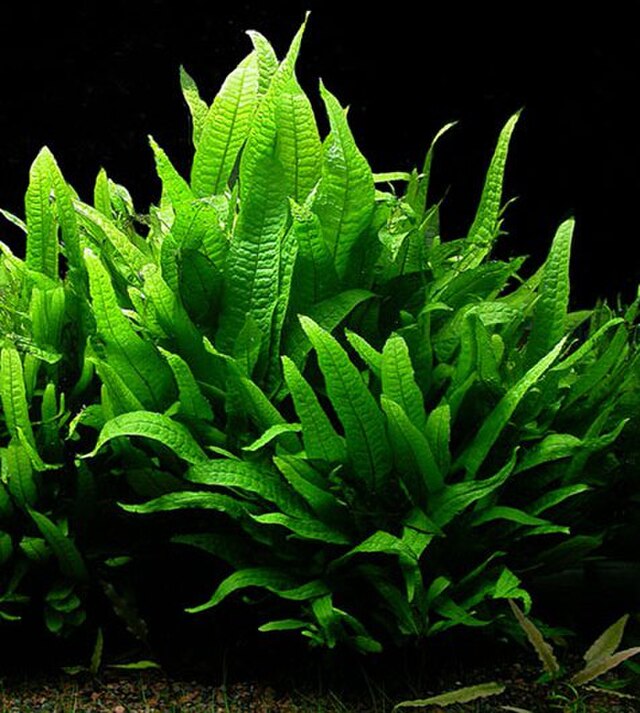
Species that grow easily without CO2 (for low light, CO2-free setups): - Anubias species such as Anubias and Nana - Cryptocoryne species - Microsorum - Moss species (such as Willow Moss)
Methods of CO2 Addition
Fermentation Method CO2
A method of mixing sugar, yeast, and water to cause natural fermentation and adding the resulting CO2 to the tank.
Pros - Inexpensive materials (around a few hundred yen per month) - Low initial investment
Cons - Unstable CO2 production (temperature-dependent) - Requires regular refilling (once every 2–4 weeks) - Fermentation continues at night, making switching between aeration difficult
Best for: 30–60 cm tanks, beginners, low budget
Cylinder Method CO2 (Small Cylinder)
A method using commercially available small CO2 cylinders (disposable type).
Pros - Stable CO2 supply - Less labor than fermentation method
Cons - Running costs for cylinders (around 500–1,500 yen per month) - Timer management required
Best for: 30–90 cm tanks, intermediate users
Cylinder Method CO2 (Large Cylinder / Commercial)
A professional system connecting a regulator to large CO2 cylinders of 5 kg or 10 kg.
Pros - Lowest running costs - Stable long-term supply
Cons - High initial investment (regulator, solenoid valve, etc.) - The cylinder itself is large
Best for: Large tanks 90 cm or larger, advanced users
If you want to compare equipment selection in more detail, also see Guide to Choosing CO2 Addition Systems for Planted Aquariums.
Required Equipment
CO2 Diffuser A device that breaks CO2 into fine bubbles and dissolves it in water. There are glass air stone types, inline types (connected to filter tubing), and others.
Bubble Counter A device for checking CO2 dosage (how many bubbles per second). Essential for stable dosage management.
Solenoid Valve A device that, combined with a timer, automatically controls CO2 on/off in sync with lighting. It prevents oxygen depletion from excess CO2 at night.
CO2 Timer A timer for turning CO2 addition on and off at the same time as lighting. A typical setting is to turn CO2 on 30 minutes before the light turns on and off 30 minutes before it turns off.
CO2 Dosage Guidelines
A typical guideline is "1–3 bubbles per second." The precise amount can be calculated from the relationship between pH and carbonate hardness (KH). For details on water quality relationships, see Guide to Managing Hardness (GH/KH) in Planted Aquariums and pH Management Guide.
Simple Judgment Criteria The most easily understood indicator is whether bubbles are coming out of the aquatic plants. The ideal amount is slightly more than the amount at which bubbles first appear.
Confirmation by pH Change pH drops in water as CO2 increases. Measure pH before and after CO2 addition; a drop of around 0.3–1 is an appropriate guideline.
CO2 Test Kit (Drop Checker) A convenient tool using a special reagent to check current CO2 concentration by color. Green indicates proper level (20–30 ppm), blue indicates insufficient, and yellow indicates excess.
Important Points for CO2 Addition
Nighttime Shutdown It is important to stop CO2 addition at night (when lights are off). Adding CO2 during periods when photosynthesis does not occur lowers oxygen concentration in the water and puts stress on the plants' own respiration.
No Need to Add to Fish-Only Tanks Adding CO2 to tanks without plants provides no benefit and only increases costs and management labor.
Summary
CO2 addition is an effective method for taking planted aquarium management to the next level. First, try the fermentation method and experience how aquatic plants grow healthily. Once you see improvement in growth and beauty, consider upgrading to the cylinder method.