Aquatic Plant Mist Method (Dry Start) Setup Guide | How to Complete the Carpet Before Flooding
This guide explains how to set up an aquatic plant tank using the mist method (dry start). It introduces the steps to complete the foreground plant carpet before flooding, suitable aquatic plant types, and care tips.
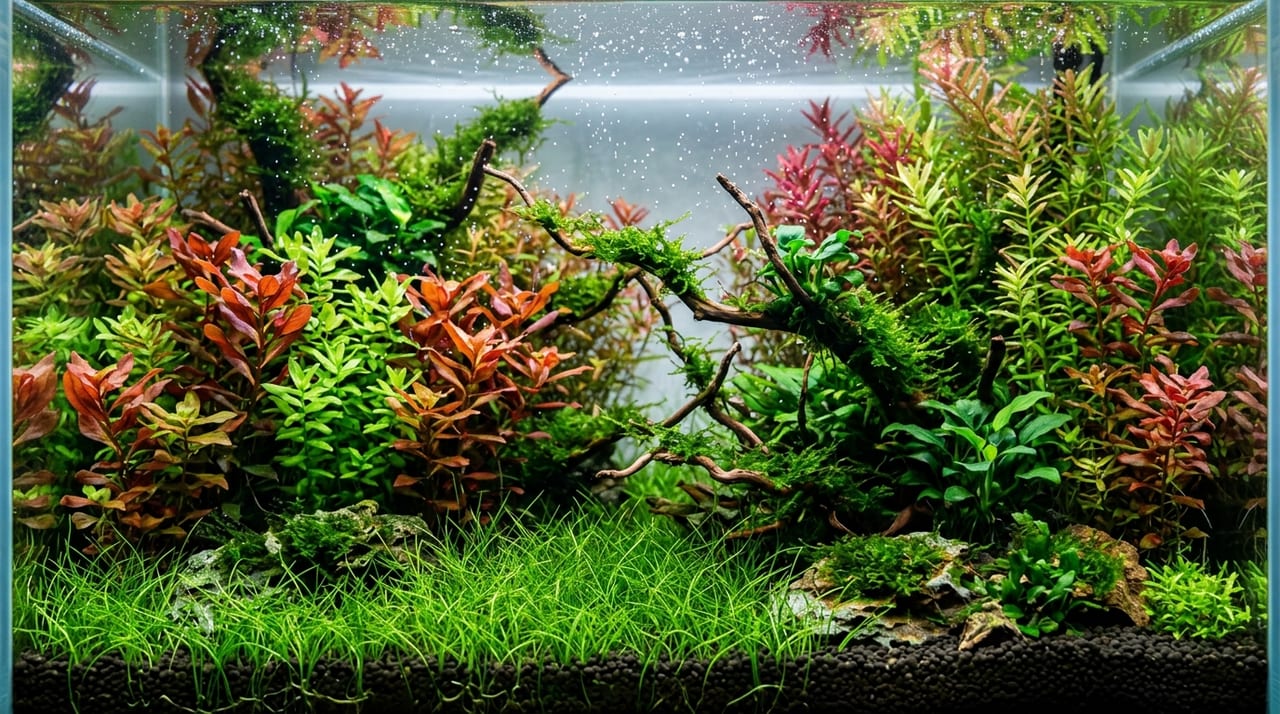
Key Takeaways
This guide explains how to set up an aquatic plant tank using the mist method (dry start). It introduces the steps to complete the foreground plant carpet before flooding, suitable aquatic plant types, and care tips.
Related Species
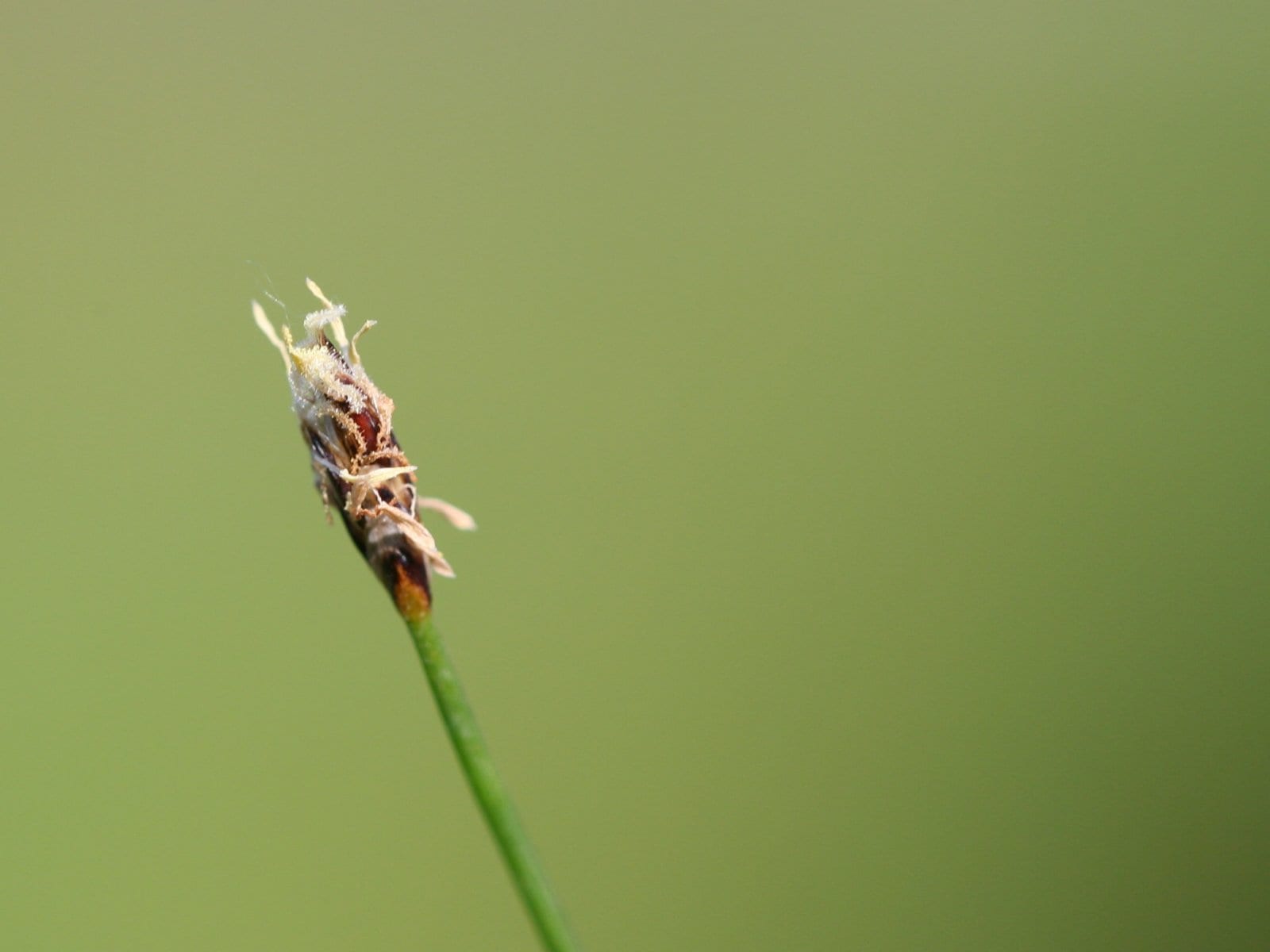
Hairgrass
View species details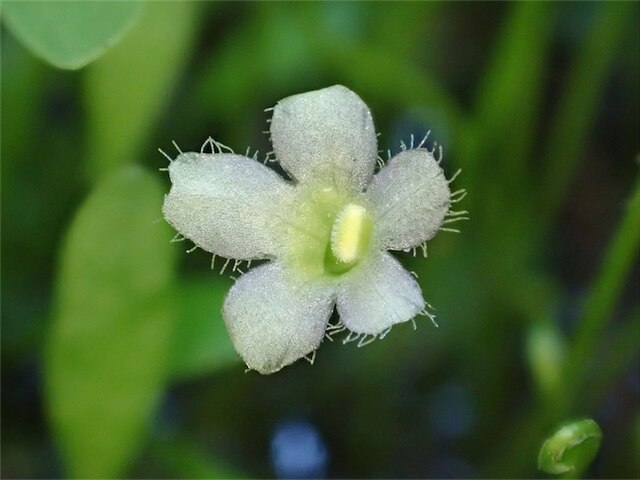
Glossostigma
View species details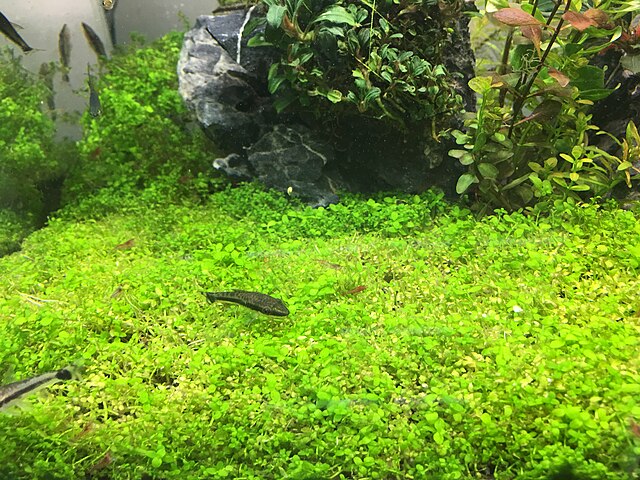
Hemianthus callitrichoides
View species details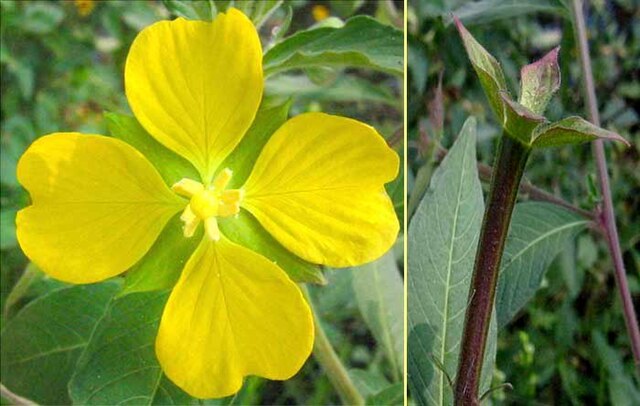
Ludwigia
View species detailsNew Large Pearl Grass
View species detailsPearl Grass
View species details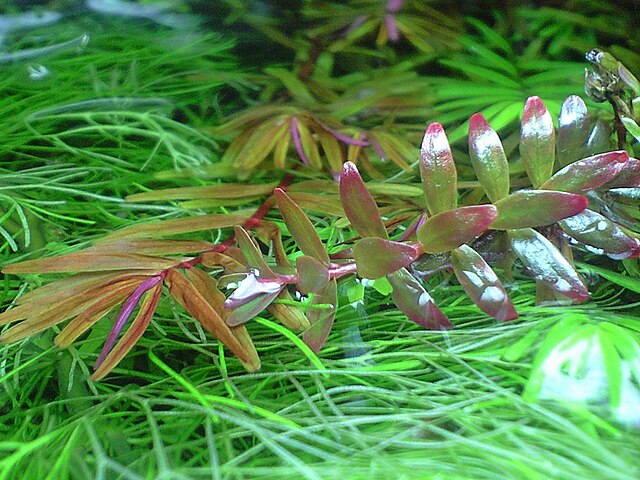
Rotala
View species detailsSouth American moss
View species detailsThe mist method (dry start method) is a setup technique for growing aquatic plants in a high-humidity environment without filling the tank with water. Because you can complete the green carpet of foreground plants before flooding, it is gaining popularity as a technique that makes it easy for beginners to create beautiful layouts. In this article, we explain how the mist method works and the specific procedures to follow.
How the Mist Method Works and Its Benefits
The mist method is a setup technique that utilizes the "emersed leaf" properties of aquatic plants. Many aquatic plants can grow not only underwater but also in air if the environment is high in humidity. Above water, plants can absorb CO2 directly from the air rather than from the water, resulting in faster growth. The mist method has the following benefits:
- Foreground plants can establish strong roots before flooding (the biggest advantage of the mist method). There's no need to worry about the frequent problems that occur with standard flooded setups, such as newly planted foreground plants floating up or being uprooted from the substrate.
- You can take your time nurturing aquatic plants without worrying about algae growth in the water, allowing you to focus on layout.
- You can propagate aquatic plants without a CO2 injection system.
On the other hand, because setup takes 4 to 8 weeks, it is not suitable for those who want to complete the tank immediately.
Aquatic Plants Suitable for the Mist Method
Aquatic plants suited to the mist method are those with vigorous emersed leaf growth. The characteristics of representative aquatic plants are as follows:
| Aquatic Plant | Characteristics |
|---|---|
| Cuba Pearl Grass | The most popular choice. Small round leaves spread densely to form a beautiful carpet. |
| New Large Pearl Grass | Easier to grow than Cuba Pearl Grass and recommended for beginners. Spreads along the ground to create a thick carpet. |
| Glossostigma | A classic foreground plant. With the mist method, it propagates more easily than underwater. |
| Water Lawn | Delicate needle-like leaves create a beautiful carpet, but growth tends to be somewhat slow. |
| Hair Grass Short | Fine leaves create a grassland-like atmosphere. |
| Moss species (Willow Moss, South American Willow Moss) | The mist method is effective for attaching moss to driftwood or stone by wrapping it around them. |
Conversely, stem plants such as Rotala and Ludwigia are not well-suited to the mist method because the appearance of their emersed and submerged leaves differs significantly.
Specific Steps
- Spread aquasoil (aquatic plant substrate) in the tank. For thickness, use 3–4 cm for the flat foreground area and 5–8 cm for the raised background area.
- Once the soil is in place, mist it thoroughly with a spray bottle. The soil surface should be shiny but not pooling with water, as excess water can cause root rot.
- Plant the aquatic plants. For tissue culture cup plants, rinse away the agar medium with water, divide them into small portions, plant them at 1–2 cm intervals, and firmly insert them into the substrate with tweezers.
- Once planting is complete, cover the entire tank with plastic wrap and seal it to maintain humidity. Ideally, condensation should form on the inside of the cover.
- Place the tank in a bright location away from direct sunlight, or provide lighting for 8–10 hours per day.
- Remove the plastic wrap once daily to ventilate and allow fresh air (CO2) to enter. When the soil surface becomes dry, mist it with water.
Timing and Method for Flooding
Once the aquatic plants cover the entire substrate and have established strong roots, it's time to flood. The guideline is 4 to 8 weeks from the start, but this varies depending on the plant species and environment. It's important to add water slowly and carefully. Place paper towels or plastic sheeting on the soil, then pour water slowly on top to prevent the substrate from being disturbed and plants from being uprooted. After flooding, you enter a transition period from emersed to submerged leaves. During this period, leaves may temporarily melt or discolor, but this is a normal response. Wait 1–2 weeks for new submerged leaves to develop. After flooding, start the filter and transition to normal planted tank management. Adding CO2 facilitates the transition to submerged leaves. Right after flooding is a time when algae readily develops, so frequent water changes and slightly shorter lighting periods are recommended.
Advanced Techniques for the Dry Start Method
There are several advanced techniques for the dry start method.
- "Partial flood method" is a technique where water is filled to just below the soil surface, keeping the plant roots underwater while the leaves remain in air. This provides more stable water absorption through the roots and reduces the risk of mold compared to a complete mist method.
- "Two-stage method" involves first growing only the foreground plants using the mist method for 4–6 weeks, then flooding and planting stem plants for the background. This avoids foreground plants floating while allowing stem plants to display beautiful submerged leaves from the start.
- Attaching moss to driftwood also benefits from the mist method environment, as attachment accelerates. Moss that would float underwater can be grown firmly attached to the driftwood in the mist method.
To smooth the transition to the underwater environment after flooding, it is also effective to gradually widen the plastic wrap opening toward the end of the mist period to lower humidity and acclimate the plants to conditions closer to the underwater environment.
Comparison of Dry Start Method and Standard Setup
The dry start method and standard flooded setup each have their own merits and demerits.
| Method | Merits | Demerits |
|---|---|---|
| Dry Start Method | Foreground plants won't float, layout corrections are easy, no need to worry about algae, aquatic plants grow without a CO2 system | Takes 4–8 weeks to complete, limited plant selection, risk of mold |
| Standard Flooded Setup | Enjoy the underwater appearance immediately, all aquatic plants can be used, fish and shrimp can be introduced right away | Risk of foreground plants floating, algae in early setup, frequent water changes needed |
Choose based on the type of plants you want to grow and your schedule. For layouts primarily featuring a foreground plant carpet, the dry start method is overwhelmingly advantageous. For stem plant-focused layouts, standard setup is more efficient.
Dry Start Method Failures and Lessons Learned
Here are some common failure cases:
- In cases where "mold spread everywhere," the cause was insufficient ventilation. If you neglect to open the cover for 5–10 minutes of ventilation each day, mold will multiply.
- In cases where "aquatic plants didn't grow at all," the cause was cold winter temperatures (15°C or below). This was resolved by installing a panel heater under the tank to maintain temperature.
- In cases where "all foreground plants floated after flooding," the cause was that the mist period was too short at just 2 weeks. Ensure at least 4 weeks for root establishment.
Though the dry start method is time-consuming and labor-intensive, the beauty of the completed carpet is exceptional. Enjoy the process of slowly nurturing your aquatic plants.
Obtaining Tissue Culture Aquatic Plants from GrowerDirect
The aquatic plants best suited to the mist method are tissue culture cup plants grown in a sterile environment. There is no risk of insects or snails contaminating the plants, allowing for clean planting. From GrowerDirect, you can purchase tissue culture cups and emersed leaf aquatic plants from growers knowledgeable about aquatic plant cultivation, and receive advice on setting up the mist method. If you want to challenge yourself with creating a beautiful aquatic plant carpet layout, please refer to this guide.