Guide to Fertilizer Application in Planted Aquariums | Liquid Fertilizers, Solid Fertilizers, and Micronutrient Management
A systematic explanation of fertilizer application in planted aquariums. This article introduces the differences between liquid and solid fertilizers, the roles of macronutrients and micronutrients, and the symptoms and remedies for nutrient deficiency in aquatic plants.
Key Takeaways
A systematic explanation of fertilizer application in planted aquariums. This article introduces the differences between liquid and solid fertilizers, the roles of macronutrients and micronutrients, and the symptoms and remedies for nutrient deficiency in aquatic plants.
Related Species
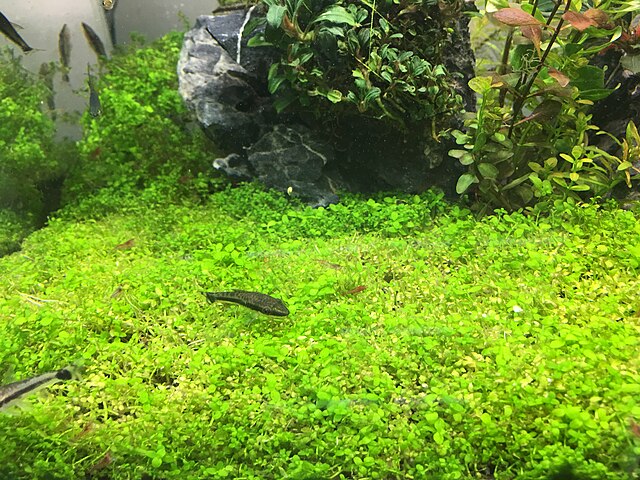
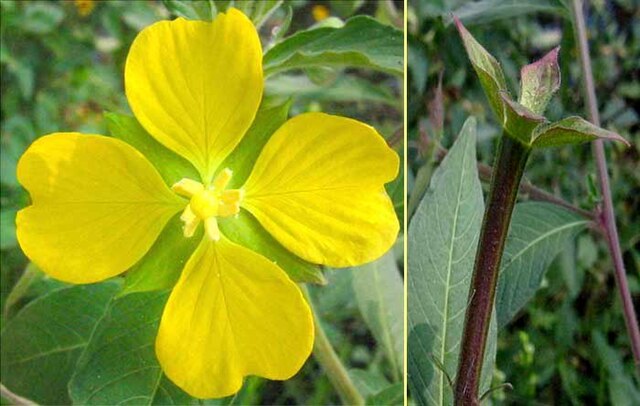
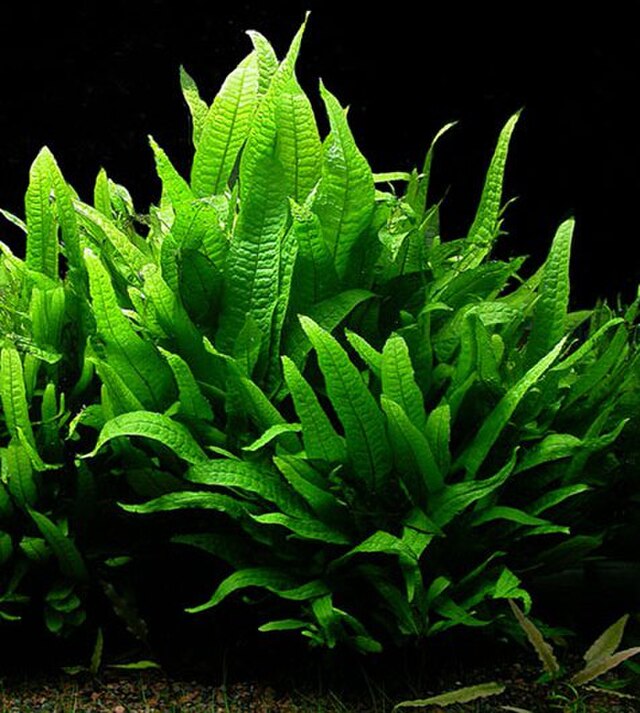
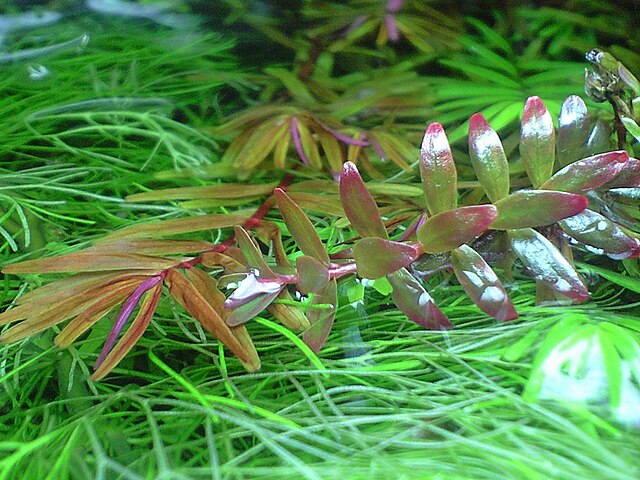
Growing aquatic plants beautifully requires the supply of appropriate nutrients in addition to light and CO₂. However, fertilizer application is a confusing area—it is unclear which fertilizer to use, how much, and when. This article provides a systematic explanation of fertilizer application in planted aquariums and organizes the information so that even beginners can implement it.
Nutrients Needed by Aquatic Plants
The nutrients necessary for aquatic plant growth are broadly classified into three categories.
- Macronutrients (Primary Nutrients): Nitrogen (N), phosphorus (P), and potassium (K) are the elements most heavily consumed by aquatic plants. Nitrogen is essential for leaf growth and maintenance of green coloration; deficiency causes older leaves to turn yellow. Phosphorus is involved in root development and flower formation; deficiency stunts growth. Potassium is necessary for photosynthesis and enzyme activation; deficiency causes holes in leaves or browning of leaf margins.
- Secondary Nutrients: Calcium (Ca), magnesium (Mg), and sulfur (S) are present to some extent in tap water.
- Micronutrients: Iron (Fe), manganese (Mn), zinc (Zn), copper (Cu), boron (B), molybdenum (Mo), and others are required in very small amounts but are essential. Iron in particular plays an important role in the coloration of red aquatic plants.
Using Liquid and Solid Fertilizers
| Type | Usage | Suitable Plants | Application Frequency |
|---|---|---|---|
| Liquid Fertilizer | Dissolved in water to distribute nutrients throughout the tank. Supplied in a form that can be directly absorbed by leaves, providing quick results | Stem plants, mosses, and other aquatic plants that absorb nutrients primarily through leaves | Add small amounts daily as a rule, and replenish after water changes |
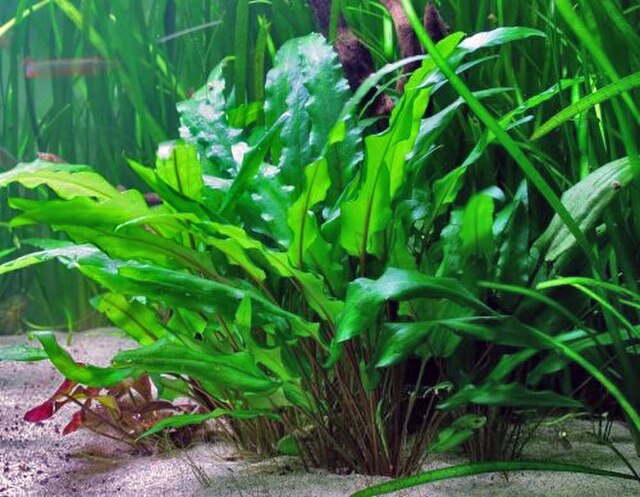
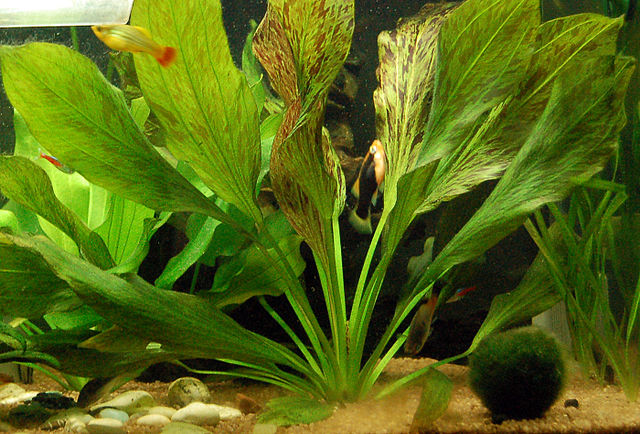
| Solid Fertilizer (Substrate Fertilizer) | Buried in the substrate. Has a gradual effect but provides lasting results | Aquatic plants that absorb nutrients from roots (Cryptocoryne, Echinodorus, Vallisneria, etc.) | Replenish once every 1–3 months |
Aquarium soil contains initial nutrients, but these become depleted after several months and must be replenished with solid fertilizers. In practice, using both liquid and solid fertilizers together is best. The typical approach is to supplement potassium and micronutrients daily with liquid fertilizer and supply nitrogen and phosphorus at the roots with solid fertilizer.
Symptoms and Diagnosis of Nutrient Deficiency
Regularly observe your plants for signs of nutrient deficiency.
| Nutrient | Symptom |
|---|---|
| Nitrogen deficiency | Older (lower) leaves turn yellow, and overall color becomes pale |
| Phosphorus deficiency | Stunted growth and blackening of older leaves |
| Potassium deficiency | Pinholes (small holes) appear in leaves or leaf margins turn brown and die back |
| Iron deficiency | New (upper) leaves turn white. Paling of red coloration in red aquatic plants is also a sign of iron deficiency |
| Magnesium deficiency | "Interveinal chlorosis"—yellowing between leaf veins |
These symptoms often occur in combination, so it is important to review not just individual nutrients but overall balance. Using water testing kits (for measuring nitrogen and phosphates) can provide a more accurate diagnosis.
Practical Schedule for Fertilizer Application
Here is a basic fertilizer application schedule for beginners.
- Initial Setup (Weeks 1–4): Add fertilizer sparingly to prevent algae blooms from nutrient excess. Because the soil contains initial nutrients, add only potassium at roughly half the recommended dose.
- Establishment Period (1–3 months): Add potassium liquid fertilizer at the recommended dose daily, and add micronutrient liquid fertilizer 1–2 times per week. In vigorously growing tanks, begin embedding solid fertilizer at the base of plants.
- Mature Period (3 months and beyond): As soil nutrients become depleted, replenishing solid fertilizer becomes important. Continue daily potassium and micronutrient liquid fertilizer, and consider adding nitrogen and phosphorus liquid fertilizer based on plant condition.
During water changes, added fertilizers are removed, so remember to replenish after each water change.
Risks of Over-application and How to Identify It
While nutrient deficiency is problematic, over-application of fertilizer also causes serious problems.
- Algae Blooms: When nitrogen or phosphorus becomes excessive, algae utilize the excess nutrients that plants cannot consume, causing explosive growth. If green filamentous algae or blue-green algae appears, suspect nutrient excess.
- Rapid pH Rise: Excessive potassium application causes a rapid pH increase, stressing fish and shrimp. Extra caution is needed if using potassium carbonate-based liquid fertilizers.
- Antagonism: When a specific nutrient becomes excessive, "antagonism" occurs—the absorption of other nutrients is inhibited—and symptoms of nutrient deficiency may actually appear.
If over-application is suspected, stop adding liquid fertilizer for about a week and increase water change frequency to remove excess nutrients. Afterwards, resume at half the recommended dose and gradually increase the amount while observing plant response—this is the safest approach.
The Option of Homemade Liquid Fertilizers
Commercial liquid fertilizers are convenient, but making your own fertilizer can dramatically reduce costs.
- Potassium Liquid Fertilizer: Simply dissolve potassium carbonate in water to make it. A typical approach is to dissolve 50 g of potassium carbonate in 500 ml of water and add 1–2 ml per day for a 60 cm tank.
- Micronutrient Liquid Fertilizer: Handling ferrous iron (ferrous sulfate) or chelated iron is somewhat more difficult, but those comfortable with chemical reagents can reduce costs to one-tenth or less.
However, homemade liquid fertilizers require accurate concentration calculations and careful storage, so it is recommended to first become familiar with nutrient management using commercial products before advancing to homemade options. Store homemade fertilizers in a cool, dark place, and remake them approximately every 1–2 months to prevent bacterial growth.
Fertilizer Requirements by Plant Type
Fertilizer requirements vary significantly depending on the type of aquatic plant.
| Plant Type | Fertilizer Requirements and Management Points |
|---|---|
| Stem Plants (Rotala, Ludwigia, etc.) | Fast growth and high nutrient consumption make daily liquid fertilizer application desirable. Red stem plants in particular have high iron requirements; iron supplementation 2–3 times per week directly impacts coloration |
| Foreground Plants (Glossostigma, Cuba Pearl Grass, etc.) | Require adequate nutrients in addition to CO₂ and light; using both substrate fertilizer and liquid fertilizer together is effective |
| Low-light Plants (Anubias, Microsorum, etc.) | Slow growth and low fertilizer requirements; liquid fertilizer at one-third to half the recommended dose is sufficient. Excess fertilizer promotes algae attachment, so manage conservatively |
| Rosette Plants (Cryptocoryne, Echinodorus, etc.) | Nutrient absorption is mainly through roots, so embedding substrate fertilizer is especially important |
Get Aquatic Plants and Growing Information Together at GrowerDirect
The balance of nutrients needed varies by plant type. At GrowerDirect, you can purchase from growers who are knowledgeable about aquatic plant cultivation, and they can also provide advice on the type and amount of fertilizer suitable for your plants. Obtaining growing information tailored to your tank environment is a major advantage of purchasing directly from growers.