How to Care for Astrophytum: Preventing Root Rot Through Watering Control and the Summer Type Dormancy Cycle
A guide to caring for Astrophytum cactus. Introduces seasonal care steps from watering and light management during the growing period, water restriction during dormancy, to the timing of resuming watering in spring.

Key Takeaways
A guide to caring for Astrophytum cactus. Introduces seasonal care steps from watering and light management during the growing period, water restriction during dormancy, to the timing of resuming watering in spring.
Related Species
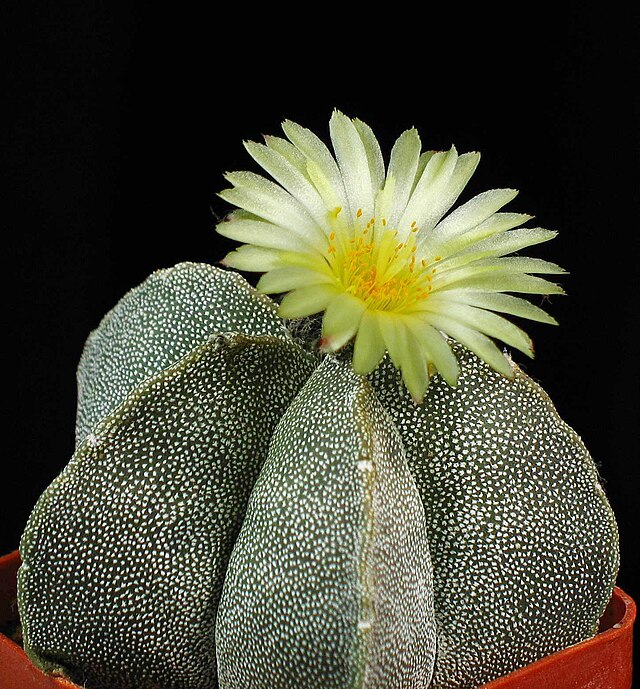
What kind of cactus is Astrophytum?
Astrophytum is a genus of cactus family plants native primarily to the arid regions of Mexico, characterized by its rounded form and white spots (flecks) scattered across the surface. It includes a group of cultivars known by common names such as "Kabuto" (helmet), "Ranpo-dama," "Ranpou-gyoku," and "Zuihou-gyoku," and due to its rich variety of forms and patterns, it has long been supported as a highly collectible genus among succulent and cactus enthusiasts.
While cacti are often thought of as "drought-tolerant plants that can be left alone," in reality, this is a group that is prone to root rot and poor growth if management ignoring the seasonal growth rhythm is continued. Astrophytum in particular includes many species with fine, delicate roots compared to other columnar cacti, and if watering timing is mistaken, the plant will be damaged faster than expected. This article explains in detail a seasonal watering strategy centered on water restriction management and specific points for managing to prevent root rot.
Watering and light management during the growing season (spring to autumn)
Most Astrophytum are classified as "summer type," actively growing from spring through autumn. The basic principle of watering during the growing period is to confirm that the soil in the pot is completely dry before watering abundantly until water flows from the bottom of the pot. Even if the surface appears dry, the center of the pot may still be moist, so it is safer to develop a habit of checking moisture by feeling the weight of the pot or inserting a bamboo skewer.
By spacing out watering intervals sufficiently, roots spread through the soil seeking water, and the entire plant becomes more robust. Conversely, if watering continues before the pot soil dries completely, roots become chronically overwatered, and root rot is likely to occur even in summer's high temperatures.
Regarding light, while they prefer strong sunlight, the following points require attention.
- Exposing a plant managed indoors to direct outdoor sunlight suddenly will cause sunburn within several days.
- If intense light such as summer afternoon sun shines for extended periods, the surface may discolor or be damaged.
- "Acclimation," gradually increasing light levels over 1-2 weeks using shade cloth (blocking 30-50% of light) is effective.
The basic soil mix consists primarily of inorganic materials with good drainage, centered on Akadama, pumice, and Hyuga soil. Organic soil containing large amounts of leaf mold or peat moss has high water retention and increases the risk of root rot, making it unsuitable for Astrophytum. Pots made of breathable materials such as unglazed or coarse earthenware are suitable, and if using plastic pots, choosing a size one step smaller will speed up soil drying.
Water restriction management during dormancy (late autumn to winter) prevents root rot
From late autumn through winter as temperatures drop, Astrophytum nearly stops growing and enters a dormant-like state. Management during this period is arguably the most critical phase in Astrophytum cultivation.
If watering continues at the same pace as the growing period during dormancy, moisture accumulates around inactive roots, and decay fungi breed there, causing root rot to progress rapidly. Root rot is difficult to see from the surface, and it is not uncommon for the plant's center to be damaged by the time it is noticed.
The guidelines for watering during dormancy are as follows.
- When the minimum temperature begins to fall below 10°C, significantly reduce watering frequency.
- When temperatures are 5-10°C, water only once a month, keeping it to a small amount just enough to slightly moisten the soil.
- During severe winter when the minimum temperature falls below 5°C, complete water restriction is often fine.
- As temperatures begin to rise toward spring, gradually resume watering and observe the plant's response.
The placement should be on a bright windowsill indoors where the minimum temperature does not fall below 5°C. Placing it in a dark location during dormancy will cause the plant to weaken and delay recovery after spring. Maintaining adequate light while restricting water is the key to healthy dormancy.
Resuming watering in spring and common failure points
The guideline for resuming watering after dormancy is when the minimum temperature stabilizes around 15°C. However, the specific timing varies depending on regional climate and whether the plant is managed indoors or outdoors, so relying solely on calendar dates is not advisable.
A common failure pattern is resuming watering at the same month every year. The arrival of spring varies greatly from year to year, and if a large amount of water is given when cold still lingers, roots with some fine roots that died during dormancy cannot fully absorb the water, actually damaging the plant.
When resuming watering, give a small amount initially and repeat observing for 3-5 days, then transition to normal amounts after confirming the plant gradually regains firmness. Lightly press the top or sides of the plant with your finger; if there is proper firmness, it is a sign that water is reaching the plant. Conversely, if the surface is shriveled and has lost firmness, the plant is water-deficient from dormancy, so start watering small amounts early.
Also, spring is a period when temperatures tend to fluctuate. If daytime is warm but nights cool rapidly for several days, delaying the full resumption of watering is also a wise judgment. Observing both the plant's condition and temperature while responding flexibly is the greatest key to preventing failure.
What to check when purchasing from a grower
Since Astrophytum takes years to grow from seed to a beautiful form, choosing a mature plant managed by a grower offers the advantage of obtaining a somewhat established form. Listing information often includes the number of years since cultivation began and the current growing environment (outdoor or indoor, presence or absence of shade), which serves as material for determining how long an acclimation period is needed in your environment. If you purchase a plant managed in full outdoor sun, even when switching to indoor management, avoiding sudden light changes and gradually altering the environment are essential.
After arrival, the plant has experienced both shipping stress and environmental change, so rather than immediately exposing it to strong outdoor sun, observing it in a bright indoor setting for several days to a week before transitioning to its normal growing environment minimizes plant stress. If the plant arrives in autumn or later, near the dormancy period, continuing modest care without forcing watering to start until the next growing season is also an appropriate choice.
Summary
The key to cultivating healthy Astrophytum without root rot comes down to "disciplined watering management grounded in correctly understanding the summer type growth cycle." During the growing period, allow the soil to dry thoroughly before watering abundantly; during dormancy, maintain near-complete water restriction. Simply following this principle significantly reduces the risk of root rot.
Cultivating the habit of observing temperature and plant condition daily while adjusting care with seasonal changes is the most important aspect of growing healthy and beautiful Astrophytum over the long term. To enjoy the unique form and beauty of white flecks for years to come, practice cultivation while being fully aware of the differences in care for each season.