[2026] Top 5 Recommended Aquatic Plant Soils | How to Choose Between Nutrient-Rich and Adsorbent Types
Our top 5 recommended soils for planted aquariums (2026 edition). Nutrient-rich types can take 2–4 weeks to stabilize, while adsorbent types are less prone to clouding but require additional fertilization. We introduce how to choose among 5 products, including ADA Amazonia and JUN Platinum Soil.
![[2026] Top 5 Recommended Aquatic Plant Soils | How to Choose Between Nutrient-Rich and Adsorbent Types](https://img.botachoku.com/column-images/aquatic-plant-disease-trouble/hero-1778967677261.jpg)
Key Takeaways
Our top 5 recommended soils for planted aquariums (2026 edition). Nutrient-rich types can take 2–4 weeks to stabilize, while adsorbent types are less prone to clouding but require additional fertilization. We introduce how to choose among 5 products, including ADA Amazonia and JUN Platinum Soil.
Related Species

Choosing the right substrate is one of the first major decisions when setting up a planted aquarium. Unlike gravel or sand, aquatic plant soil doesn't just support the roots of plants—it plays the crucial role of adjusting water chemistry and supplying nutrients. The choice of soil significantly affects how well your plants grow, how quickly your tank stabilizes, and the maintenance effort required.
This article covers everything from the basic mechanics of aquatic plant soil, the differences between nutrient-rich and adsorbent types, to five recommended products as of 2026, explained in a way that's easy to understand even for beginners.
What is Aquatic Plant Soil? Why It's Essential for Planted Aquariums
Aquatic plant soil is a substrate made from natural soil that has been kiln-fired and processed into granules. Compared to typical gravel, it has the following characteristics:
- Easy to maintain slightly acidic water conditions: Most aquatic plants and tropical fish prefer pH 6.0–7.0, which this soil naturally supports
- Lowers water hardness: Ideal for cultivating soft-water-loving plants (especially species from South America and Southeast Asia)
- Excellent root development: Roots easily penetrate between granules, allowing plants to establish themselves firmly
- Some varieties contain nutrients: With nutrient-rich soil, you can often cultivate plants without additional fertilizers
However, aquatic plant soil is not permanent. Generally, after 1–2 years, the granules begin to break down and need to be replaced. Additionally, setup and maintenance methods vary depending on the type, so it's important to choose one that matches your experience level and aquarium goals.
Nutrient-Rich or Adsorbent? Which Should You Choose?
Aquatic plant soil falls into two main categories: "nutrient-rich" and "adsorbent." Understanding the characteristics of each is the first step to making the right choice.
Nutrient-Rich Soil Characteristics
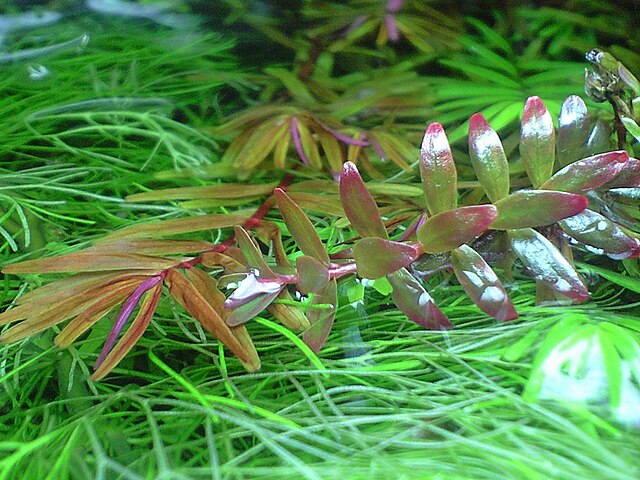
Nutrient-rich soil is packed with essential nutrients like nitrogen, phosphorus, and potassium. Since plants can absorb nutrients directly through their roots, this type is especially excellent for cultivating root-feeding plants like rotala and hair grass.
On the downside, excess nutrients tend to leach into the water during the initial setup phase, making the water cloudy and encouraging algae growth. Frequent water changes are necessary right after setup, and it can take 2–4 weeks before the tank stabilizes.
Best for: Intermediate to advanced aquarists who want to create detailed planted layouts, those mainly growing root-feeding plants
Adsorbent Soil Characteristics
Adsorbent soil has a high capacity to absorb harmful substances and excess ions from the water, resulting in clear water right after setup. It's less prone to cloudiness and offers beginners a sense of security in handling.
However, because the nutrient content is low, long-term cultivation requires additional liquid or solid fertilizers. Also, since adsorption capacity decreases over time, the replacement cycle may be shorter than with nutrient-rich soil.
Best for: Beginners just starting with aquariums, those maintaining shrimp tanks or keeping water-quality-sensitive fish
| Comparison Item | Nutrient-Rich | Adsorbent |
|---|---|---|
| Nutrient supply | Abundant | Minimal |
| Ease of setup | Somewhat difficult | Easy |
| Cloudiness risk | High | Low |
| Maintenance lifespan | Long (approx. 2 years) | Somewhat shorter |
| Suitable experience level | Intermediate–Advanced | Beginner–Intermediate |
Top 5 Recommended Soils | 2026 Edition
1. ADA Amazonia Ver.2 (Nutrient-Rich)
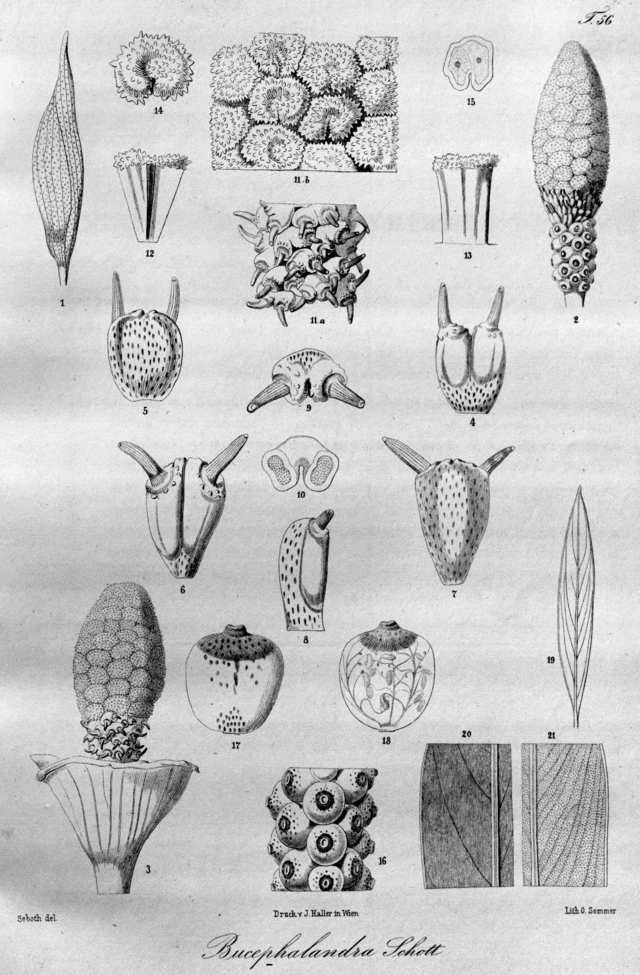
This soil has long been the "gold standard" among aquatic plant enthusiasts. Packed with humic acids and nutrients, it supports a wide range of plants including rotala, hair grass, and bucephalandra.
During initial setup, nutrient leaching is significant, so daily or every-other-day water changes are recommended for 1–2 weeks. While it requires effort, the growth results are exceptional. If you're aiming for a serious planted layout aquarium, this should be your first choice.
Recommended for: Intermediate to advanced aquarists who want to create serious layout aquariums
2. JUN Platinum Soil Powder (Adsorbent)
This is especially popular among adsorbent soils, prized for fast establishment and excellent water clarity. The powder type has fine granules, making it ideal for creating carpeting with foreground plants. The rich black color makes your green plants pop and enhances the overall aquascape.
Its strong adsorption capacity helps prevent algae growth, making it relatively failure-proof even for beginners. Nutrient content is low, so adding liquid fertilizer once the tank matures will keep your plants thriving.
Recommended for: Those tackling their first planted aquarium, those wanting to create a foreground carpet
3. GEX Pure Soil Black (Adsorbent)
This adsorbent soil from GEX, a major domestic aquarium manufacturer, boasts an unbeatable price point. It's easy to find at home improvement stores and pet shops, making it convenient when you need substrate in a hurry.
While nutrient content is modest, it effectively stabilizes water to a slightly acidic pH. It's perfect for those trying aquatic plant soil for the first time. For long-term cultivation, embedding solid fertilizer into the substrate can create a more nutrient-rich environment.
Recommended for: Those on a budget, those casually trying their first soil aquarium
4. Libra Soil (Nutrient-Rich)
In recent years, this nutrient-rich soil has become increasingly popular as an alternative to ADA Amazonia. It produces less initial cloudiness than Amazonia, making it somewhat easier to handle. Yet it retains high nutrient-supply capacity and offers excellent value for money.
It works well with stem plants, shade-loving plants, and foreground plants alike, making it versatile for various planted layouts. For intermediate aquarists trying nutrient-rich soil for the first time, this is an excellent entry point.
Recommended for: Intermediate aquarists taking their first step into nutrient-rich soils, those prioritizing value for money
5. Marfied Kontrol Soil (Nutrient-Rich · Bee Shrimp Compatible)
Known for maintaining stable, slightly acidic water chemistry over the long term, this soil is highly regarded by crystal red shrimp keepers. It's an excellent choice for those serious about cultivating delicate shrimp.
The granules are hard and resist breakdown, offering a longer replacement cycle—a major advantage. It pairs well with aquatic plants, making it ideal for nature aquarium styles where shrimp and plants coexist.
Recommended for: Those creating mixed tanks with bee shrimp and plants, those prioritizing long-term stability
Key Points for Choosing Soil—Summary
When in doubt about soil selection, consider these three factors:
① Honestly assess your experience level If you're a beginner, starting with adsorbent soil is the safest bet. It minimizes setup troubles and reduces failure risk. Once you gain experience, consider transitioning to nutrient-rich soil.
② Choose based on your target plants and inhabitants If your focus is root-feeding plants, go nutrient-rich. For shrimp or water-quality-sensitive fish, adsorbent is the standard. For bee shrimp, consider specialized products like Kontrol Soil.
③ Consider the maintenance effort you can commit to Nutrient-rich soil requires frequent water changes during setup but becomes stable long-term. Adsorbent soil is easier to establish but requires regular fertilizer management. Choose what fits your lifestyle.
Conclusion
Aquatic plant soil is the foundation of your planted aquarium, affecting water chemistry, nutrient availability, and aesthetics. As of 2026, product quality is uniformly high, and any soil you choose will deliver solid performance. That's precisely why selecting based on "your experience level," "what you want to grow," and "maintenance effort" is so important.
If you're unsure, beginners should consider JUN Platinum Soil Powder or GEX Pure Soil Black; experienced aquarists might prefer ADA Amazonia Ver.2 or Libra Soil; and shrimp keepers should look at Marfied Kontrol Soil.
At Brid-Choku, you can also get aquatic plants and expert advice directly from growers specializing in aquatic plants. If you feel uncertain about setting up your tank, leverage professional knowledge to cultivate your ideal planted aquarium.