Complete Guide to Growing Indoor Bonsai | Recommended Species, LED Lights, and Watering Tips
Learn how to grow bonsai indoors. This guide covers recommended indoor-friendly species such as Ficus retusa, Shima-toneriko, and rockspray cotoneaster, how to choose plant growth LED lights with an optimal daily lighting duration of 10–14 hours, and techniques for watering, humidity, and air circulation management to enjoy bonsai in your home.
Key Takeaways
Learn how to grow bonsai indoors. This guide covers recommended indoor-friendly species such as Ficus retusa, Shima-toneriko, and rockspray cotoneaster, how to choose plant growth LED lights with an optimal daily lighting duration of 10–14 hours, and techniques for watering, humidity, and air circulation management to enjoy bonsai in your home.
Related Species
Are you interested in bonsai but have given up thinking you can't grow it indoors because you don't have a garden or balcony? In fact, if you choose the right species and create an appropriate environment, you can enjoy bonsai indoors. In recent years especially, the availability of indoor-friendly bonsai species that can be enjoyed like houseplants, combined with the widespread adoption of plant growth LED lighting, has greatly expanded the possibilities for indoor bonsai cultivation. This article shares the knowledge and techniques needed to grow healthy bonsai indoors.
The Possibilities and Limitations of Indoor Bonsai
First, it's important to understand that not all bonsai species can be grown indoors.
Characteristics of species suitable for indoor cultivation
- Shade tolerance (survives without direct sunlight)
- Relatively tolerant of dry indoor environments
- Originate from temperate, subtropical, or tropical regions and do not require a winter dormancy period
- Slow-growing and resistant to etiolation (leggy growth)
Species unsuitable for indoor cultivation
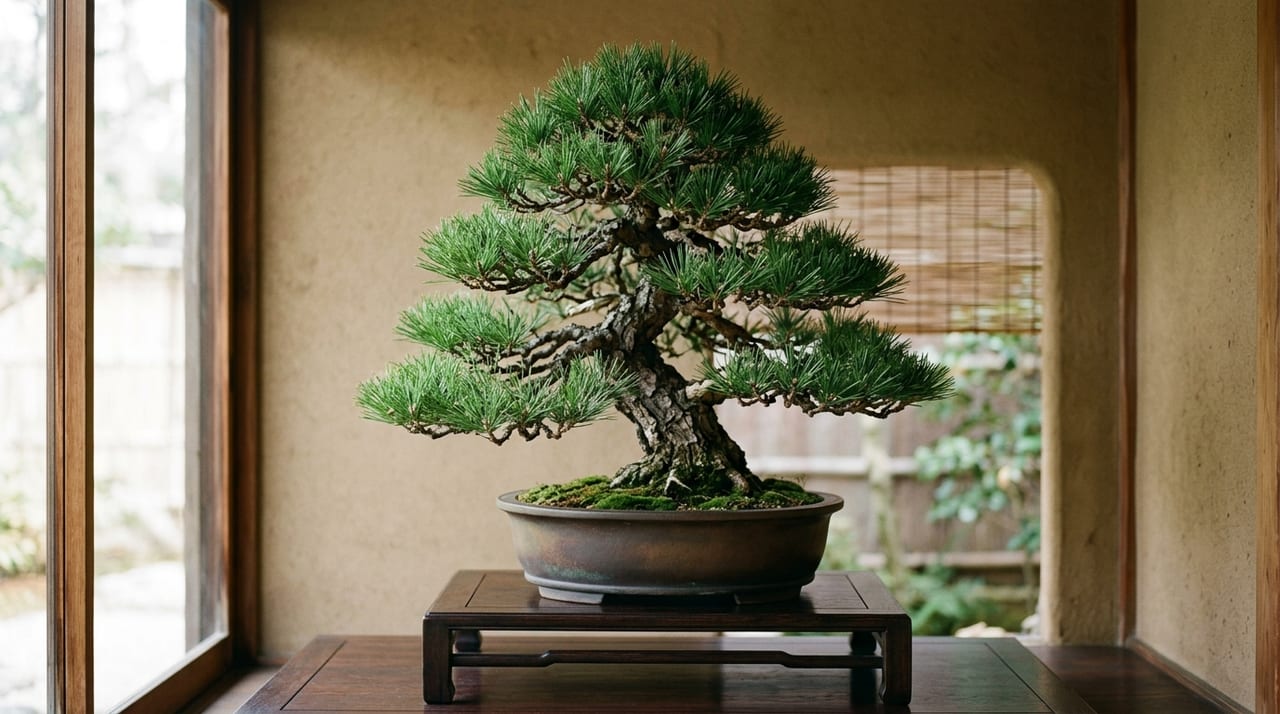
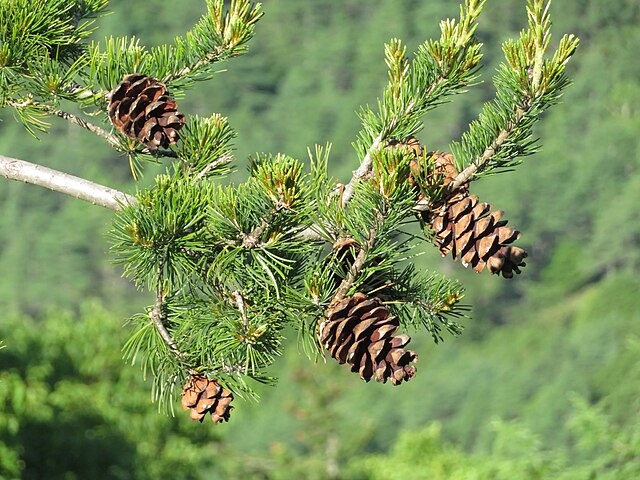
- Conifers (such as black pine, Japanese white pine, and Hinoki cypress): Require sufficient sunlight and air circulation; they tend to weaken indoors.
- Deciduous trees (such as Japanese maple and zelkova): Require exposure to cold during their winter dormancy period.
- Flowering and fruiting bonsai: Require sufficient light for flowering and fruiting, making it difficult for them to bloom indoors.
However, these species can still be displayed indoors temporarily. If you rotate them back outdoors after 2–3 days of display, you can enjoy them indoors while maintaining their health.
Recommended Indoor-Friendly Species
Here are species that can be grown indoors for extended periods.
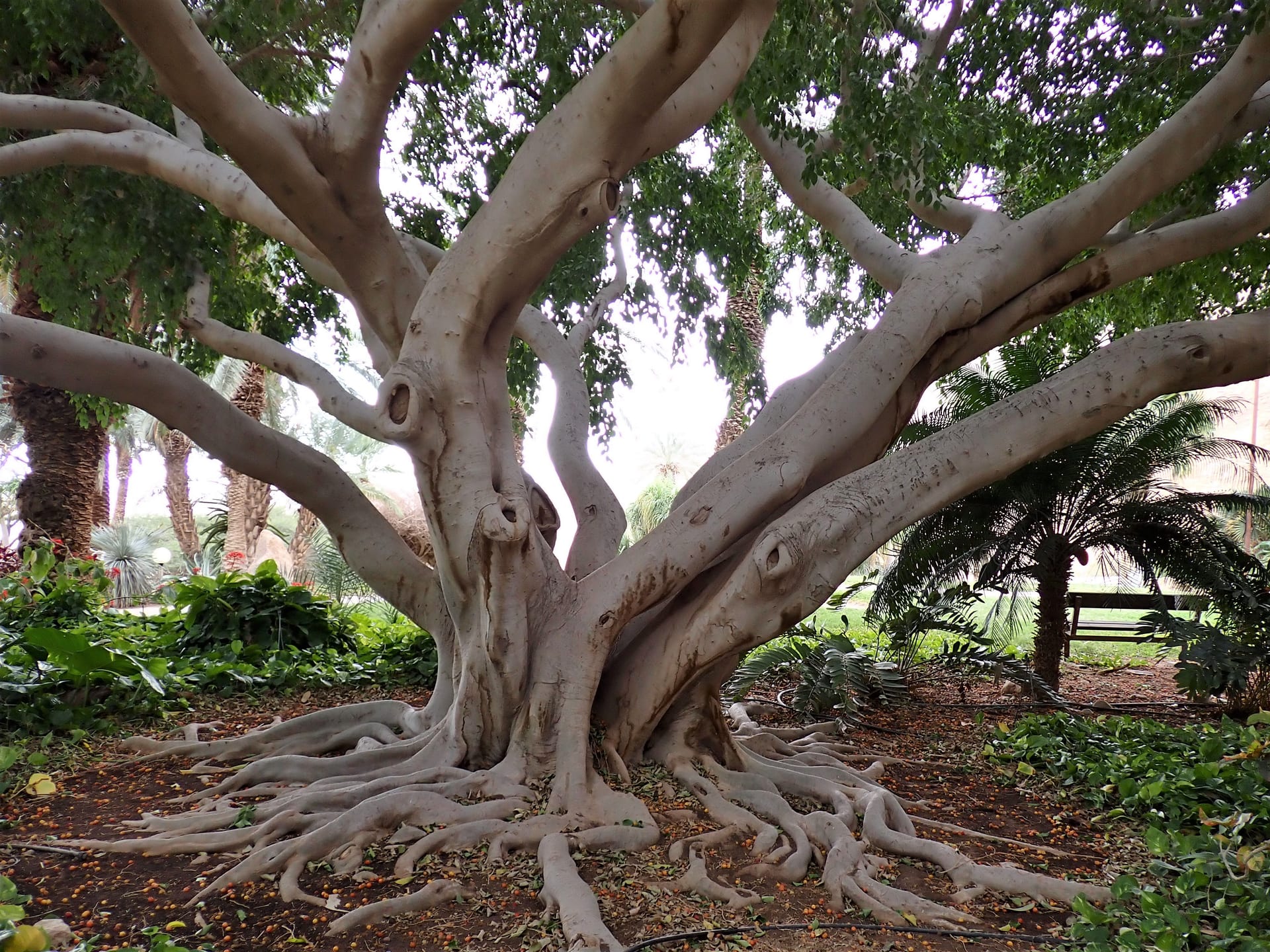
Ficus retusa (Gajumal) An evergreen tree native to Okinawa and Southeast Asia. Its distinctive aerial roots create a unique form, offering high sculptural appeal as bonsai. It has strong shade tolerance and thrives in bright indoor locations. Relatively drought-tolerant and forgiving of watering mistakes, making it the most recommended indoor bonsai species for beginners.
Kalanchoe pinnata (Mother Leaf) A fascinating succulent that produces shoots from its leaves. While not strictly a traditional bonsai species, it can be styled as bonsai in small pots with interesting results. Its low watering frequency makes it ideal for indoor growing.
Shima-toneriko An evergreen with delicate compound leaves that create a cool appearance. It grows well indoors with slow growth, making it suitable for bonsai styling. Somewhat sensitive to cold, so care must be taken to avoid cold drafts from windows in winter.
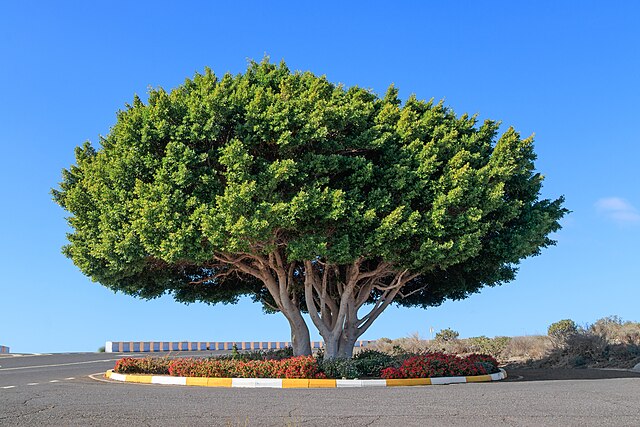
Ficus benjamina (Weeping fig) A relative of the rubber tree. Small, round leaves grow densely, making it easy to style as bonsai. It has shade tolerance and thrives indoors. It develops aerial roots over time, eventually taking on a distinguished appearance.
Lingonberry (Cowberry) A charming evergreen shrub with small leaves and red berries. It prefers semi-shade, making it ideal for indoor windowsills. Popular as a miniature bonsai, and its ornamental value increases significantly when berries appear.
Rockspray cotoneaster (Benishitan) A semi-evergreen to evergreen shrub with beautiful small leaves and red berries. It has shade tolerance and is easy to manage indoors. The red berries that appear from autumn through winter are the main attraction.
How to Use LED Lighting
The biggest challenge for indoor bonsai is insufficient light. Using plant growth LED lighting can significantly improve this problem.
How to choose LED lighting
- Choose "full-spectrum LED" lights designed for plant growth. Standard LED bulbs have insufficient light wavelengths for plants.
- Lights containing red light (around 660nm) and blue light (around 450nm) are effective for plant growth.
- A PPFD (photosynthetic photon flux density) of approximately 100–200 μmol/(m²·s) is sufficient for bonsai.
- Lighting with a built-in timer is convenient, allowing for automatic on-off scheduling.
Key lighting tips
- Aim for 10–14 hours of daily light exposure to mimic natural daylight rhythm.
- Position the light 20–30 cm away from the canopy. Placing it too close can cause leaf burn.
- Occasionally changing the light direction prevents uneven growth (growing only on one side).
- Adding LED lights as supplementary lighting near a window that receives natural light is most effective.
Air Circulation Management
Poor air circulation is another major challenge for indoor bonsai. Insufficient ventilation increases the risk of mold and disease.
- Use a circulating fan: Use a small circulating fan to move air around the room. Rather than directing strong airflow directly at the bonsai, position it to circulate air throughout the entire space.
- Regular ventilation: Open windows several times a day to bring in fresh air. Especially after watering, ensure air circulation to prevent soil from becoming overly moist.
- Strategic placement: Air circulation is better near windows or toward the center of a room than in corners against walls.
- Spacing pots: When displaying multiple bonsai, space pots adequately to ensure air can flow between them.
Watering and Humidity Management
Indoor environments differ significantly from outdoor conditions, so watering methods need to be adjusted.
Watering basics
- Indoors have less wind and slower evaporation, so watering frequency should generally be reduced compared to outdoors.
- Water only after the soil surface has dried. Check not just the surface but also the interior soil moisture with a bamboo stick.
- Always drain water from the saucer. Overwatering is the primary cause of root rot.
- When using air conditioning in winter, air becomes dry, so mist leaves regularly with a spray bottle.
Humidity management
- Most bonsai prefer humidity of 50–70%. During winter heating, humidity can drop below 30%.
- Place a humidifier nearby or set trays of water around pots to increase local humidity.
- However, never keep the potting soil constantly wet. Air humidity and soil moisture are separate concerns.
- Best to mist leaves in the morning. Leaving leaves wet overnight increases the risk of fungal issues.
Year-Round Management Tips for Indoor Bonsai
Even when growing bonsai indoors, seasonal adjustments to care are necessary.
- Spring (March–May): The start of the growing season. Open windows for fresh air exposure and begin fertilizing. If possible, place the tree outdoors during the day for sunbathing.
- Summer (June–August): Keep away from direct air conditioning airflow to avoid sudden temperature fluctuations. Increase watering frequency slightly.
- Autumn (September–November): Move to a windowsill as temperatures drop to ensure adequate light. Continue fertilizing until around October.
- Winter (December–February): Keep away from direct heating vents. Reduce watering and supplement humidity with misting. Maintain temperatures above 15°C for tropical species.
Evergreen tropical and subtropical species are suited to indoor environments that never drop below 10°C, even in winter. Conversely, if growing temperate species indoors, expose them to cold from unheated rooms or through glass in winter to maintain a natural rhythm.
Find Indoor-Friendly Bonsai on GrowerDirect
Success with indoor bonsai depends on choosing species suited to indoor conditions and selecting healthy seedlings with well-developed roots. At GrowerDirect, you can purchase directly from bonsai growers with extensive indoor cultivation experience, and receive advice on species suited to your environment. Visit the bonsai category to find bonsai you can enjoy indoors.