Indoor Bonsai Care Guide — Light, Water & Temperature Management
Managing bonsai indoors: suitable species, LED lighting, watering, humidity control, air circulation, and indoor-outdoor rotation.
Key Takeaways
Managing bonsai indoors: suitable species, LED lighting, watering, humidity control, air circulation, and indoor-outdoor rotation.
Related Species
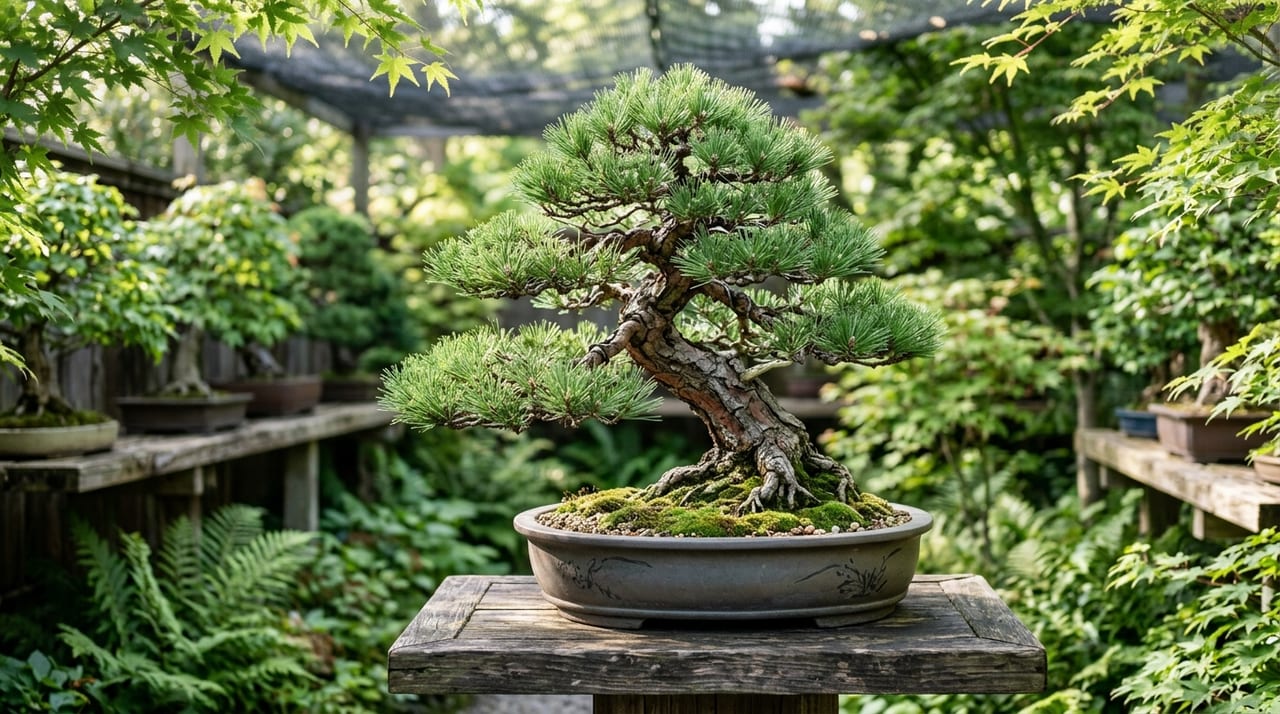
Bonsai are fundamentally outdoor plants, but apartment living, winter cold, and other factors can make outdoor care challenging. There's also growing demand to display and enjoy bonsai indoors in Japanese rooms and living spaces. We'll explain the key points for healthy indoor bonsai management.
Fundamental Approach to Indoor Bonsai
First, there are important points to understand:
- Bonsai's true nature is outdoor management: Most tree species require outdoor sunlight, wind, and temperature fluctuations
- Indoor is a temporary display location: Traditionally, bonsai are displayed indoors for only a few days, with regular outdoor management elsewhere
- Long-term indoor management is possible but requires effort: With LED lighting, air circulation fans, and proper watering, you can create suitable indoor conditions
Tree Species Suitable for Indoor Management
Not all bonsai species are suited to indoor care. The following species are relatively well-adapted to indoor environments.
Species suited to indoors:
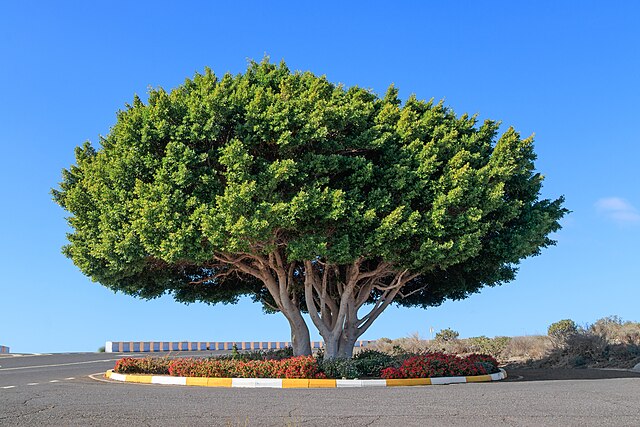
- Ficus retusa (Banyan): Tropical species that adapts well to warm indoor conditions. Features distinctive aerial roots
- Fraxinus griffithii (Narrow-leafed ash): Evergreen and hardy. Grows well in bright indoor locations
- Platycerium bifurcatum (Staghorn fern): Epiphytic plant that can be displayed on boards as wall art
- Cycas revoluta (Sago palm): Shade-tolerant and easy to grow indoors. Matches Japanese aesthetic
- Rosewood: Fruiting bonsai relatively well-adapted to indoors
Species manageable indoors with conditions:
- Japanese Maple: Possible with LED and proper management, but benefits from distinct seasons
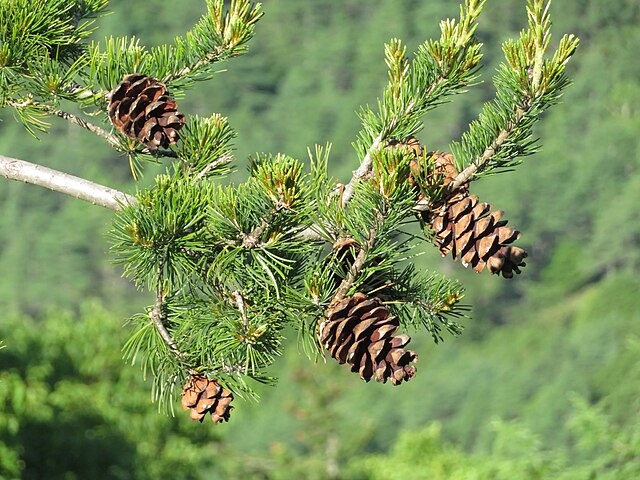
- Japanese Black Pine: Short-term possible in bright windowsill. Long-term outdoor management preferred
- Japanese apricot: Display indoors during flowering, move outside after blooming
Species difficult for indoor management:
- Black pine: Requires strong sunlight and outdoor environment
- Cherry: Needs dormancy and temperature variation
- Hinoki cypress: Requires strong light and good air circulation
LED Lighting Application
Indoor management most frequently lacks sunlight. Using LED lights for supplemental lighting is the key to indoor bonsai success.
Choosing LED lighting:
- Select full-spectrum plant growth LED
- Color temperature of 4000-6500K white light maintains bonsai's natural beauty
- Aim for PPFD of 300-500μmol/m²/s or higher
- Timer function is convenient
Recommended lighting duration:
- Evergreens: 10-14 hours/day
- Deciduous trees: Spring-summer 12-14 hours; fall-winter 8-10 hours
- Flowering bonsai: Sufficient light intensity needed for bloom promotion
Installation tips:
- Place 30-50cm above the bonsai
- Panel-type lights recommended for uniform coverage
- Use stand or clip types to preserve interior aesthetics
Watering Management
Indoors dry faster than outdoors while evaporation is gentle. Your watering approach must differ from outdoor management.
Basic rules:
- When soil surface becomes white and dry, water thoroughly until it drains from the bottom
- Always empty water from saucers (prevents root rot)
- Indoor winds are weaker, so plants dry more slowly than outdoors
- Watering intervals typically become longer than outdoor care
Important points:
- Be careful in areas where AC air directly hits—they dry faster
- Winter heating season creates extremely dry air
- Place pebbles in saucers with standing water to increase local humidity through evaporation
Misting:
- Daily misting keeps leaves and trunk moist
- Especially effective for humidity during heating/cooling season
Air Circulation
Air circulation is often overlooked in indoor management.
- Air circulation fan: Gentle continuous air movement. Rather than direct strong wind on the plant, circulate indoor air
- Open windows: Open windows on nice days to bring in fresh air
- Avoid enclosed spaces: Don't place in cabinet corners or against walls
Poor air circulation promotes fungal disease, illness, and pest infestations.
Temperature Management
Indoor advantages:
- Protects trees from winter cold
- Stable temperature changes
Indoor disadvantages:
- Heating eliminates seasonal variation
- Deciduous trees don't experience sufficient dormancy
Solutions:
- Place deciduous trees in non-heated rooms (entryways, hallways) during fall-winter for cold exposure
- Tropical evergreens suit warm indoor spaces
- Move to windowsills at night to utilize natural temperature drops
Indoor and Outdoor Use Balance
The ideal approach combines indoor and outdoor management.
Recommended management cycle:
- Normally manage outdoors (balcony or garden)
- Display indoors when entertaining or enjoying (for several days)
- Return outside when display period ends
- Protect indoors during harsh weather or extreme cold
Indoor display manners:
- Always use saucers on tatami or wooden floors
- Place away from direct AC air
- Avoid bright windows (temperatures rise excessively)
- Avoid keeping outdoor-management species indoors for more than a week
Indoor Bonsai as Interior Design
- Display stands: Wood stands increase Japanese atmosphere
- Alcove display: Pair with hanging scrolls for seasonal expression
- Modern display: Use white contemporary pots or stone slabs for Western room compatibility
- Lighting design: Spotlight illumination creates beautiful effects including shadows
Finding Indoor Bonsai on GrowerDirect
GrowerDirect lets you purchase bonsai suitable for indoor management directly from specialist growers. Being able to ask growers directly about species-specific indoor care possibilities and methods is invaluable. Discover indoor bonsai to brighten your living space through GrowerDirect.