Complete Guide to Bonsai Propagation | Cuttings, Air Layering, and Seeds
Explains bonsai propagation methods including cuttings, air layering, seeds, and grafting. Introduces the optimal propagation method for each tree species and provides guidelines for the timeline from material to finished bonsai.
Key Takeaways
Explains bonsai propagation methods including cuttings, air layering, seeds, and grafting. Introduces the optimal propagation method for each tree species and provides guidelines for the timeline from material to finished bonsai.
Related Species
The Joy of Growing Your Own Bonsai
One of the attractions of bonsai is the process of growing material yourself and shaping the tree form over a long period of time. Unlike purchasing finished products from the market, cultivating from the material stage allows you to deeply understand the nature of the tree and develop a special attachment to it.
There are four main types of bonsai propagation methods: "cuttings," "air layering," "seeds (from seed sowing)," and "grafting." Each method is suited to different tree species, produces materials with different characteristics, and requires different timelines for shaping. For beginners, cuttings and seed propagation are recommended as first attempts, but selecting the optimal method based on your desired tree form and the species you want to use is the first step in bonsai cultivation. If you'd like to review the basics of care from the beginning, please also check the Bonsai Beginner's Guide.
Cuttings | The Classic Method for Easy Propagation
Cuttings involve cutting a branch from the parent tree, inserting it into soil medium, and encouraging it to develop roots. Since you obtain a clone with identical genetic traits to the parent tree, this method is ideal when you want to "maintain the characteristics of a tree you particularly like."
Suitable Species and Timing
It suits tree species that root relatively easily, such as Shinpaku (Juniperus chinensis var. itoigawa), Satsuki azalea, Fragrant Japanese maple, and Ficus retusa. The optimal time is around June. Branches during this period are called "semi-ripe wood," where new growth from the current year has begun to harden slightly, resulting in higher rooting rates.
Cutting Procedure
- Cut a healthy branch to approximately 10 cm
- Remove lower leaves and cut the base at an angle
- Lightly apply rooting hormone (such as Rootone) to the cut
- Insert into clean akadama (small grain) or Kanuma soil
- Avoid direct sunlight and maintain high humidity in bright shade
Root development typically takes 2 to 3 months. Covering with a plastic bag or similar to maintain humidity increases success rates. After rooting develops, gradually acclimate to open air and pot up in the following year or later. To avoid watering failures after potting up, it's reassuring to check species-specific care tips in the Complete Guide to Bonsai Watering.
Timeline to Finished Bonsai
It takes 3 to 5 years to develop cutting material into a small-sized bonsai (15 cm or smaller), and 7 to 10 years or more for medium and large specimens. While it requires time, the beauty of cut material is that you can control trunk thickening yourself.
Air Layering | Creating Material with Thick Trunks
Air layering is a method in which roots develop before separation from the tree, making its greatest advantage the ability to obtain material with an already-thick trunk in a short time. It is also used in situations where "the trunk is thick enough, but I want to improve the root spread and tree form."
Suitable Species and Timing
It suits deciduous trees in general, such as Japanese maple, keyaki elm, beech, Chinese quince, and apple. The optimal time is around May, when sap flow is most active.
Air Layering Procedure
- Remove the bark in a ring (2 to 3 cm wide) at the position where you want roots to form (ring bark removal)
- Apply rooting hormone above the debarked area
- Cover the debarked area with thoroughly moistened sphagnum moss
- Seal with plastic and secure so it doesn't dry out
- After 2 to 3 months, confirm root development, then separate below the roots and plant
After separation, roots are sparse, so manage in partial shade and be careful not to let it dry out.
Advantages Unique to Air Layering
Air layering allows you to use an aged, thick trunk as-is for material, so you can achieve a "bonsai-like appearance" far more quickly than with cuttings. Additionally, it's a major attraction that you can take advantage of the trunk form and aged appearance of an existing tree that cuttings cannot replicate.
Seed Propagation | Seeking Beautiful Root Spread and Natural Form
Seed propagation is the method of growing from seed, and while it takes the most time, the quality of material obtained is exceptional. Trees grown from seed have naturally strong root spread, and the trunk's undulation and fine patterns possess a unique character. This is a method we'd like those who want to "create serious bonsai in the future" to definitely try.
Suitable Species and Seed-Sowing Time
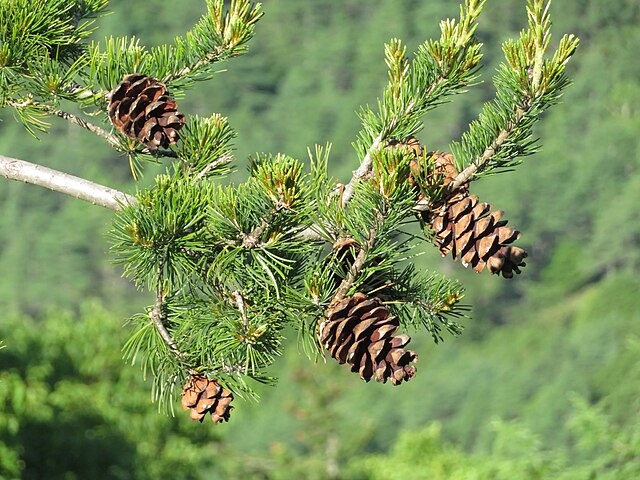
Black pine, red pine, Japanese white pine, Japanese maple, keyaki elm, and beech are representative examples. Seeds of conifers and Japanese maple are collected in autumn, undergo cold stratification in a refrigerator, and are sown in March to April of the following spring. Passing through cold stratification dramatically improves germination rates.
Seed Propagation Care Points
- Manage in a bright location after germination to prevent etiolation
- Handle carefully in the first year to avoid damaging roots
- Begin root pruning and organizing root spread from years 2 to 3
- From an early stage, use wire to establish the direction of the tree form
It takes 10 to 20 years or more for seed-grown material to reach a level where it can be appreciated as a serious bonsai, but that is precisely where the deep joy of cultivating your own unique tree lies.
Grafting | Propagating Special Varieties and Adapting to Difficult Species
Grafting is a somewhat specialized technique in which a scion of the desired variety is grafted onto a hardy rootstock (understock). It is used for propagating Japanese white pine, which roots with difficulty from cuttings, and rare varieties or variegated tree species.
Main Types of Grafting
- Cleft grafting: The basic method of cutting the rootstock trunk and inserting the scion
- Bark grafting: A method of grafting the scion midway along the rootstock trunk. Commonly used for Japanese white pine propagation
Grafting requires careful temperature and humidity management to improve success rates and is relatively difficult for beginners. It is best to gain experience with cuttings and seed propagation first before attempting grafting.
GrowerDirect's Safe and Reliable System
Bonsai propagation is deep and complex, with success dependent on tree species, season, and management conditions. For those who think "I want to first obtain quality material and then enjoy shaping it," GrowerDirect, where you can purchase directly from specialist growers, is the ideal choice.
On GrowerDirect, specialist bonsai growers list materials and finished trees they have personally cultivated. Because age, provenance, and cultivation method are clearly noted, you can understand what kind of material it is at a glance. Additionally, there is a system to message growers directly with questions, so you can easily receive advice on cutting and seed propagation, as well as management methods suited to your tree species.
GrowerDirect's strength is also that the direct-sales model, bypassing intermediaries, allows you to obtain materials of comparable quality at fair prices. Whether you're a beginner selecting your first tree or an experienced gardener seeking quality material, we've created an environment where you can use our service with confidence. Let's expand the world of bonsai while treasuring both the joy of propagating trees yourself and the certainty of obtaining reliable material.