How to Create an Outdoor Bog Garden for Carnivorous Plants | Cultivation in a Natural Environment
This guide explains how to create a bog garden for growing carnivorous plants outdoors in conditions close to their natural habitat. We introduce suitable species, how to choose containers and soil, water management, seasonal care, and how to enjoy your bog garden as a biotope.
Key Takeaways
This guide explains how to create a bog garden for growing carnivorous plants outdoors in conditions close to their natural habitat. We introduce suitable species, how to choose containers and soil, water management, seasonal care, and how to enjoy your bog garden as a biotope.
Related Species
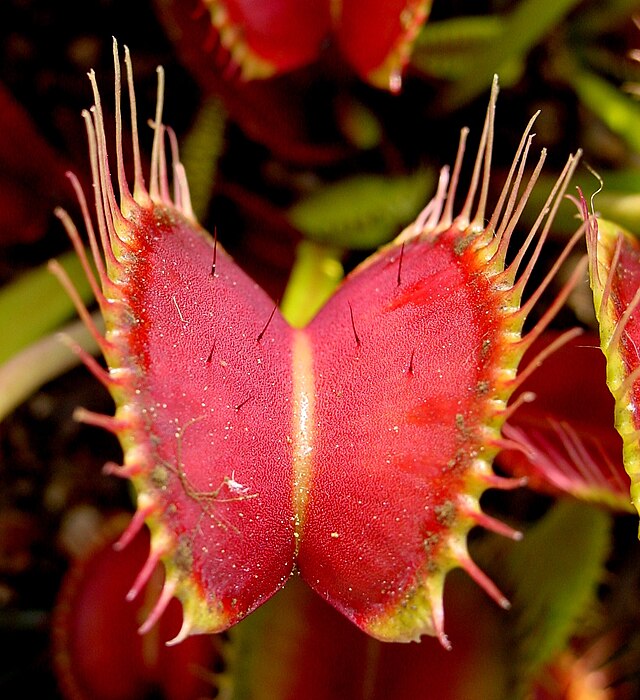
A bog garden is a cultivation method that mimics a wetland (bog), allowing carnivorous plants to grow outdoors in conditions close to their natural state. Unlike potted cultivation indoors, carnivorous plants grown with natural sunlight, rain, and wind appear vibrant and exude their natural vigor. In this article, we'll explain how to create a bog garden you can enjoy at home.
What Is a Bog Garden
A bog garden is a cultivation method using a waterproof container filled with acidic soil, maintaining constantly moist conditions. Since most carnivorous plants grow naturally in wetlands, this environment most closely mimics their natural growing conditions. It can be set up in a garden or on a balcony, and once created, it requires relatively little maintenance—another appealing aspect.
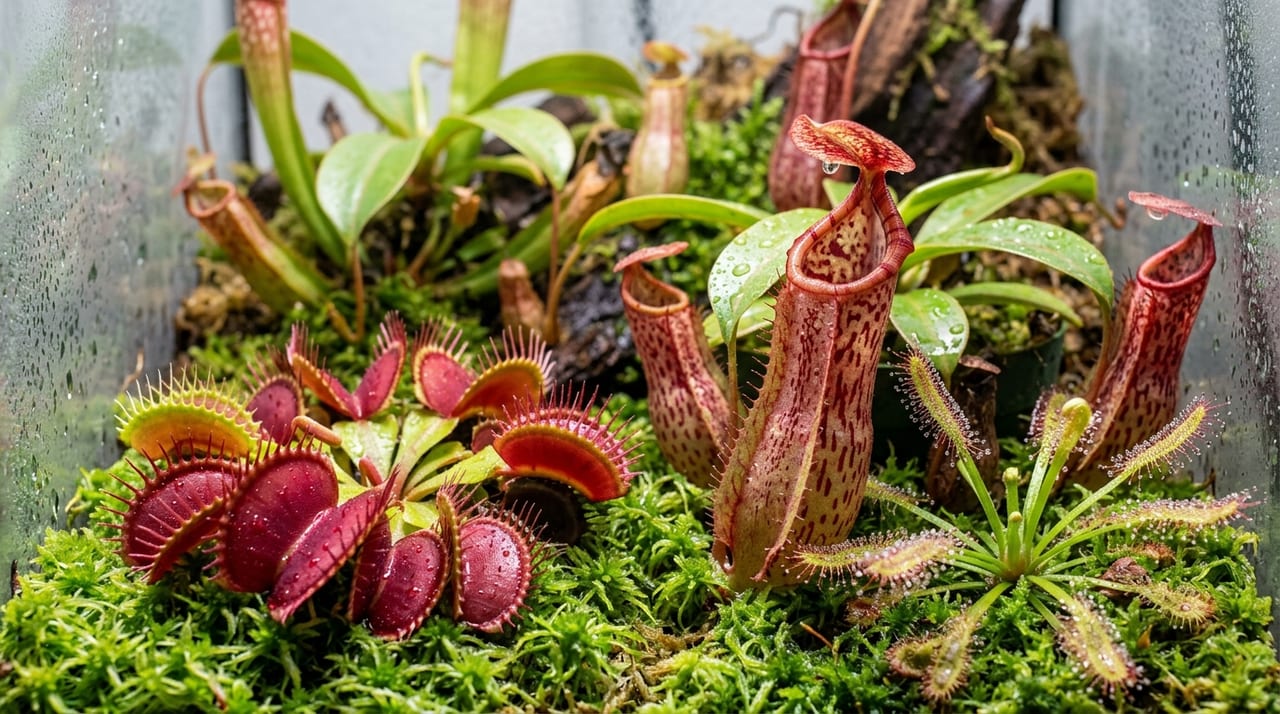
The biggest difference from potted cultivation is that you can plant multiple species together in a single environment. You can recreate a natural wetland where Sarracenia grows tall, sundew (Drosera) spreads at its base, and Venus flytrap (Dionaea) is scattered throughout.
Suitable Species for Bog Gardens
When creating an outdoor bog garden, you must select species that can tolerate Japan's climate.
Most Suitable Species
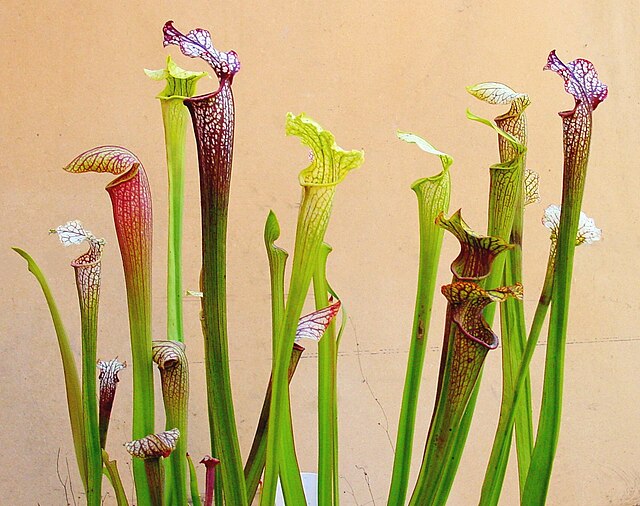
- Sarracenia (American pitcher plant): The star of any bog garden. Extremely cold-hardy and can overwinter outdoors in areas south of the Kanto region. The tall, tube-shaped trapping leaves are beautiful
- Venus flytrap (Dionaea): The well-known popular species. Hardy enough to overwinter outdoors. The above-ground portion dies in winter but revives in spring
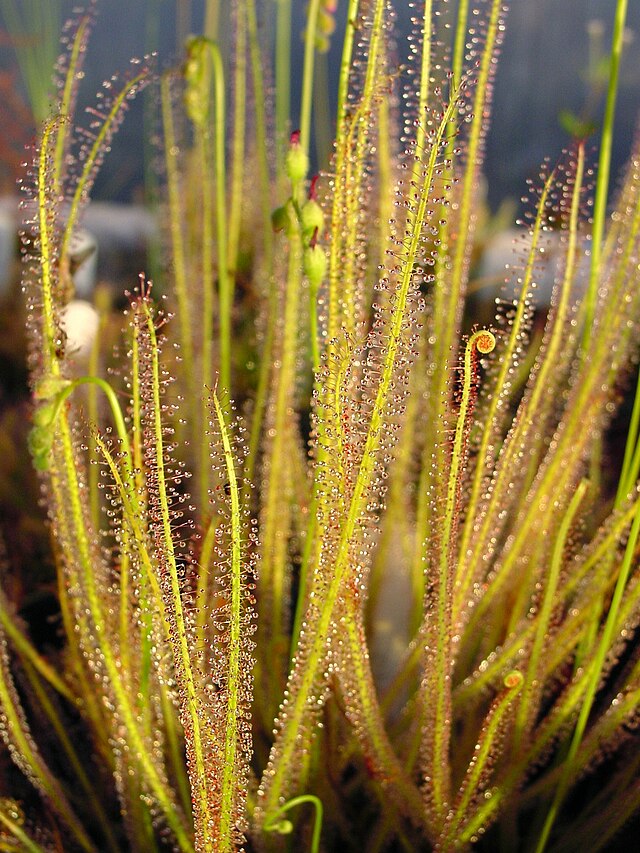
- Sundew (Drosera) temperate species: Species such as Drosera rotundifolia (Japanese sundew) and Drosera filiformis that are cold-hardy
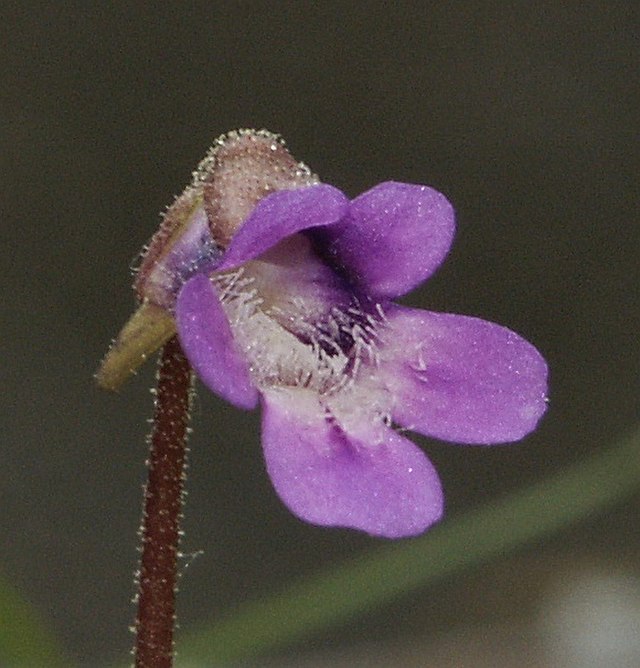
- Butterwort temperate species: Cold-hardy varieties such as Pinguicula vulgaris
Species to Avoid Nepenthes (tropical pitcher plants), Cephalotus, and tropical Drosera species are cold-sensitive and unsuitable for outdoor bog gardens. These should be managed indoors or in a greenhouse.
Containers and Location
Choosing a Container Large plastic planters, cement mixing buckets, plastic mortar pans (left-trowel containers), and large plastic storage boxes all work well. A depth of at least 20 cm is sufficient for root development. If using a container with drainage holes, seal the holes. To maintain a consistent water level, you can also drill overflow holes in the upper side of the container.
Location A location receiving at least 6 hours of direct sunlight per day is ideal. Most carnivorous plants prefer strong light; insufficient light results in poor coloration of the trapping leaves and sluggish growth. An east-facing to south-facing location with morning sun is optimal.
Soil and Water Preparation
Soil The soil for carnivorous plants is quite different from standard potting soil. Acid-based soil free of fertilizer is essential.
The basic ratio is unadjusted peat moss 6 : perlite 2 : Kanuma soil 2. Always use unadjusted peat moss. Lime-adjusted peat moss has added limestone, which is harmful to carnivorous plants.
Adding long-fiber sphagnum moss further increases water retention. If adding sand, use silica sand or river sand; avoid sand containing limestone.
Water Carnivorous plants are sensitive to water quality. Tap water is fine in most cases, but if chlorine is a concern, use aged water. Avoid hard water; collecting and using rainwater is the most natural approach. Maintain the water level 1–3 cm below the soil surface. Rather than completely submerging the soil, the ideal condition is for it to remain consistently moist.
How to Make a Bog Garden
- Adjust drainage in the container: Drill overflow holes about 1 cm in diameter in the upper side wall (to prevent water level from rising too much with rain)
- Add a drainage layer at the bottom: Create a 2–3 cm layer of gravel (optional, but improves root aeration)
- Add soil: Fill the container 7–8 full with your prepared soil mix and water thoroughly to saturate it
- Plant: Position tall Sarracenia toward the back, with Venus flytrap and sundew in the front and gaps
- Add water: Fill with water up to near the soil surface
- Decorate: Arrange sphagnum moss on the surface and small pieces of driftwood or stones for a natural appearance
Seasonal Management
Spring (March–May) Plants awaken from winter dormancy, and new trapping leaves emerge. Remove dead old leaves and tidy up around the plants. Sarracenia produces distinctive flowers in early spring.
Summer (June–August) Peak growing season. Watch for drops in water level and refill once or twice daily. During heat waves, shade cloth may be used in the afternoon to keep water temperature from rising too high. If algae proliferate, remove it by hand.
Autumn (September–November) Growth slows. Sarracenia displays beautiful fall color, with trapping leaves turning red and orange. This season's beauty is one of the highlights of owning a bog garden.
Winter (December–February) Most species enter dormancy. Above-ground portions die, but underground rhizomes and buds remain alive. Keep the water supplied, and protect against freezing to avoid damage to the root system. In cold regions, apply a mulch layer to the surface for protection.
How to Make a Bog Garden (Wetland Garden)
A bog garden recreates a wetland environment in a corner of your garden that mimics the natural habitat of carnivorous plants.
Basic Method
- Dig a hole 30–40 cm deep (or use a large planter)
- Lay a waterproof sheet to prevent water loss
- Add soil made from a 1:1 mixture of peat moss and sand
- Fill with water to saturate the entire soil
- Plant your carnivorous plants
- Cover the surface with sphagnum moss for good appearance and moisture retention
Example Planting Combinations
- Center: Sarracenia (place a tall species)
- Surroundings: Venus flytrap, sundew
- Edges: Sphagnum moss, wetland mosses
Management Tips
- Use rainwater (avoid chlorinated tap water)
- Apply mulch in winter to prevent freezing
- Remove old leaves in spring to refresh the garden
Common Mistakes and Solutions
Mistake 1: Using standard garden potting soil Fertilizer-containing soil will definitely damage carnivorous plant roots. A bog garden cannot succeed without fertilizer-free soil based mainly on unadjusted peat moss and sand.
Mistake 2: Creating a structure where water pools Keeping water stagnant in a closed container will cause rot in summer, resulting in odor and root decay. Drill overflow holes at the upper edge of the container, and structure it so rain water is exchanged regularly.
Mistake 3: Setting it up in a poorly lit location Both Sarracenia and Venus flytrap require strong light. If you cannot secure a location with at least half a day of direct sunlight, potted management rather than an outdoor bog garden will yield better results.
Finding Bog Garden Plants on GrowerDirect
On GrowerDirect, you can purchase cold-hardy carnivorous plants suitable for bog gardens from specialist growers. You can also get advice from growers about species combinations and bog garden care, so even if it's your first attempt, you can feel confident. If you'd like to grow carnivorous plants in an environment close to nature, check out what GrowerDirect's growers have available.