How to Start a Carnivorous Plant Collection: From Acquiring Rare Species to Setting Up Cultivation Environments
A beginner's guide to enjoying carnivorous plants as a serious collector. This article explains methods for acquiring rare species, determining your collection direction, setting up cultivation environments, and connecting with growers.
Key Takeaways
A beginner's guide to enjoying carnivorous plants as a serious collector. This article explains methods for acquiring rare species, determining your collection direction, setting up cultivation environments, and connecting with growers.
Related Species
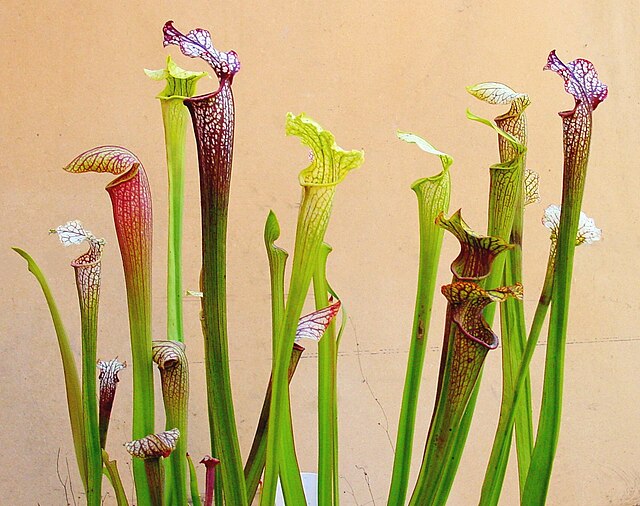
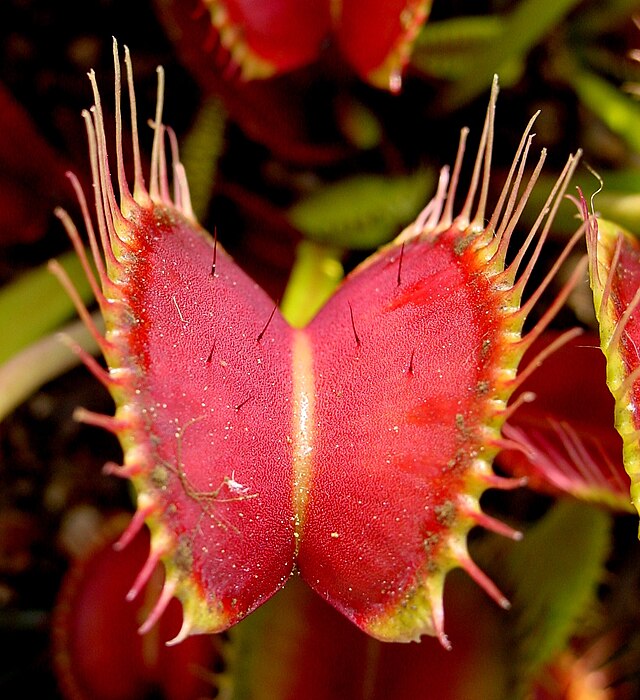
Carnivorous plants offer joy not only in cultivation but also in "collecting," which is an enormous part of the hobby. Many enthusiasts start by growing a single Venus flytrap or pitcher plant, but gradually expand their interests to rare Nepenthes species, unusual Drosera clones, high-altitude Heliamphora varieties, and beyond—collecting fever takes hold.
The world of carnivorous plant collecting holds multifaceted appeal: the beauty and diversity of the plants themselves, ecological interest, rarity, and the human connections with growers. This article explains the knowledge and practical methods needed to enjoy carnivorous plant collecting "seriously."
Determining Your Collection Direction
Carnivorous plants form an extremely diverse group, with hundreds to thousands of species, varieties, and clones worldwide. Attempting to collect everything scatters your cultivation environment and complicates management. The first step in deepening your collection is deciding "which group to specialize in."
Specialization by genus or system:
- Nepenthes: Native to tropical Asia (Borneo, Sumatra, Philippines, etc.). The diversity of pitcher colors, shapes, and sizes is captivating. Lowland and highland species require different cultivation environments.
- Sarracenia: Native to eastern North America. Easy to grow even outdoors, with abundant color and pattern variations. Many hybrid varieties (clones) exist.
- Drosera: Distributed worldwide. Ranging from temperate to tropical species. Diversity from moss-like small types to large woody-stemmed varieties.
- Heliamphora: Native to Venezuelan and Guianan highlands. Requires cool, high-altitude conditions—challenging but highly prized among enthusiasts.
- Cephalotus: Native to southwestern Australia. A unique single-species genus. Difficult to cultivate, but popular for its cute pitcher-like leaves.
Specialization by habitat or region: For Nepenthes, you might focus on "Bornean species only" or "Sumatran highland varieties." Different forms emerge based on elevation and environment within the same region, leading to deeper learning.
Methods for Acquiring Rare Species
Home centers and flower shops typically stock only a few common carnivorous plant species: Venus flytraps, pitcher plants, and a handful of Nepenthes. To acquire rare species and unusual clones, you must develop specialized acquisition routes.
Direct Purchase from Specialist Growers
Specialist carnivorous plant growers produce plants through tissue culture (TC), seed propagation, and cuttings. Because quality and plant health are high and you can receive cultivation advice, specialist growers are the most reliable acquisition route for collectors.
GrowerDirect features growers specializing in carnivorous plants, where you can purchase rare species difficult to find elsewhere. By checking grower profiles and past sales history, you can select trustworthy producers.
Meetups and Plant Exchange Events
The carnivorous plant enthusiast community regularly hosts meetups and plant exchange events. These gatherings let collectors interact directly, with not only monetary transactions but active trading of specimens. They are invaluable both for acquiring rare plants and for sharing cultivation knowledge.
Purchasing from Overseas
Nurseries in Europe, the United States, and Southeast Asia hold varieties and clones unavailable in Japan. However, importing plants requires plant quarantine inspection under the Plant Protection Act. Whether seeds or living plants, you must obtain a phytosanitary certificate from the export country's government agency and submit to import inspection by the plant protection office. Some species fall under CITES (Convention on International Trade in Endangered Species) regulations.
For personal imports, consult the Customs and Ministry of Agriculture, Forestry and Fisheries guidelines beforehand to avoid illegal importation.
Setting Up Cultivation Environments for Your Collection
As your collection grows, environment management becomes challenging. Because carnivorous plants require vastly different conditions by type, organizing separate management spaces by system is efficient.
Temperate Species (Venus Flytraps, Pitcher Plants, Temperate Drosera)
Outdoor bog cultivation is the standard. Place a duckboard in a sunny location and arrange plants in bog trays—this simple setup is manageable. Winter outdoor dormancy is possible with care against freezing, and low maintenance costs favor collection expansion.
Tropical Lowland Species (Lowland Nepenthes)
Requires high temperature (daytime 28–32°C, nighttime 20°C or above) and high humidity (70–90%). Summer is easy to manage in Japan, but winter requires heating equipment. Use greenhouses, seedling boxes, or plastic insulation cases.
Tropical Highland Species (Highland Nepenthes, Heliamphora)
Requires a cool environment (daytime 18–24°C, nighttime 10–15°C), and Japan's summers demand cooling equipment. Serious collectors use air-conditioned rooms, modified refrigerator greenhouses, or water-cooling systems. This is the most challenging group to cultivate, but also the "ultimate challenge" for collectors.
Lighting Setup
Indoor collections require proper lighting. LEDs providing PPFD of around 200–500 μmol/m²/s suit most carnivorous plants. Nepenthes tolerate lower light, but Sarracenia and Venus flytraps prefer strong light, so choose lights according to species.
The Importance of Clone Management and Labeling
As collections expand, individual management becomes complex. Labeling and record-keeping habits are essential for carnivorous plant collectors.
Information to record on labels:
- Scientific name (genus, species, variety)
- Clone name or line name (e.g., N. rajah 'Clone A', Sarracenia leucophylla x purpurea 'Tarnok')
- Acquisition source and date
- Size and condition at acquisition
Writing with waterproof markers on plastic plant labels is standard. Adding digital management (spreadsheets or plant apps) makes tracking your entire collection easier.
Ethics and Responsibility as a Collector
Many carnivorous plants have declining wild populations due to poaching and habitat destruction, and some species appear in CITES appendices. Collecting responsibly requires the following ethical stance.
Prioritizing cultivated specimens (TC and seedlings): Avoid wild-collected specimens; instead prioritize plants propagated through tissue culture or artificial propagation.
Legal acquisition: Comply with import and CITES regulations; acquire through legitimate channels. Do not purchase specimens of unknown origin.
Sharing cultivation knowledge: The collector community thrives on information sharing. Actively share cultivation techniques and rare information you discover, enriching the community.
Expand Your Collection Further with GrowerDirect
GrowerDirect features growers specializing in carnivorous plants, where you can find rare species and unusual clones. Check grower profiles for cultivation history and specialties, and follow interesting sellers so you don't miss rare specimens when they appear. Communicating with GrowerDirect growers as you grow as a collector is invaluable for information gathering. The world of carnivorous plants is deep—a hobby that collectors enjoy for years. Please cherish your connections with trustworthy growers and enjoy your collecting journey.